Tech Trends in 2026 Every Entrepreneur Must Know
Technology is changing how businesses work at an unbelievable speed. For example, creating a logo used to take a lot of time and money.
Now, you can generate your own logo design using online platforms that make the process faster and more accessible for businesses of any size. It’s important to keep up with these new tech trends if you don’t want to be left behind.
Unfortunately, it can be overwhelming because something new seems to be coming out every day. But worry no more, here’s a guide to help you catch up with the latest tech trends in 2026.
What Are the Latest Tech Trends?
From AI-powered tools to sustainable innovation, here’s a closer look at several tech trends that are actively shaping how startups operate and compete:
1. AI-powered automation and hyper-personalization
Back then, AI was used only to automate certain repetitive tasks, such as inventory management and financial reporting. Now, AI can help you provide excellent, personalized customer service.
AI is behind the intelligent chatbots that answer customer queries. It can also track consumer behavior and curate personalized marketing campaigns. According to IBM’s analysis of AI in business, businesses that have adopted advanced AI personalization have increased customer retention and lifetime value.
2. Generative AI for content and branding
Entrepreneurs are always in a rush to create content and build their brands. Fortunately, generative AI has simplified content creation and branding. Now, you can generate marketing copy, visuals, videos, and even complete brand kits with just a text prompt.
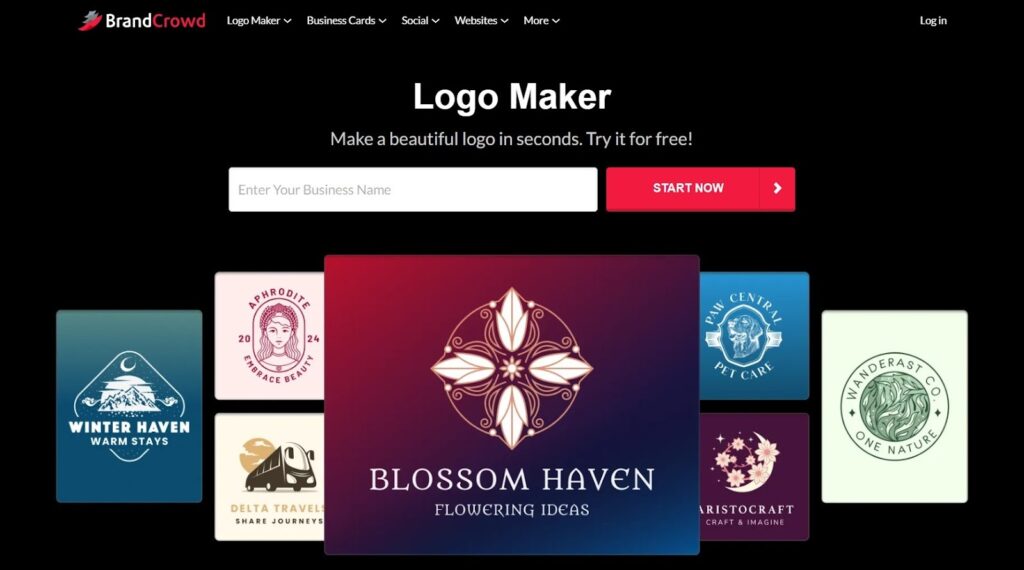
BrandCrowd is one of many platforms running on generative AI. With just your business name, you can have a logo with a minimalistic vibe or a modern layout.
But aside from that, you can also use it to create social media content for your Facebook, Instagram, YouTube, LinkedIn, or TikTok accounts.
3. Sustainable and green technology
The demand for more sustainability keeps growing year after year. Consumers are becoming more inclined to support eco-friendly businesses. They will ask you what materials you used to make your products and if your packaging is biodegradable or recyclable.
However, sustainability not only attracts customers. Investors are also prioritizing business ventures that will make a positive environmental impact. So, many startups are embracing renewable energy solutions, circular economy models, and sustainable supply chain tools.
4. Low-code and no-code platforms
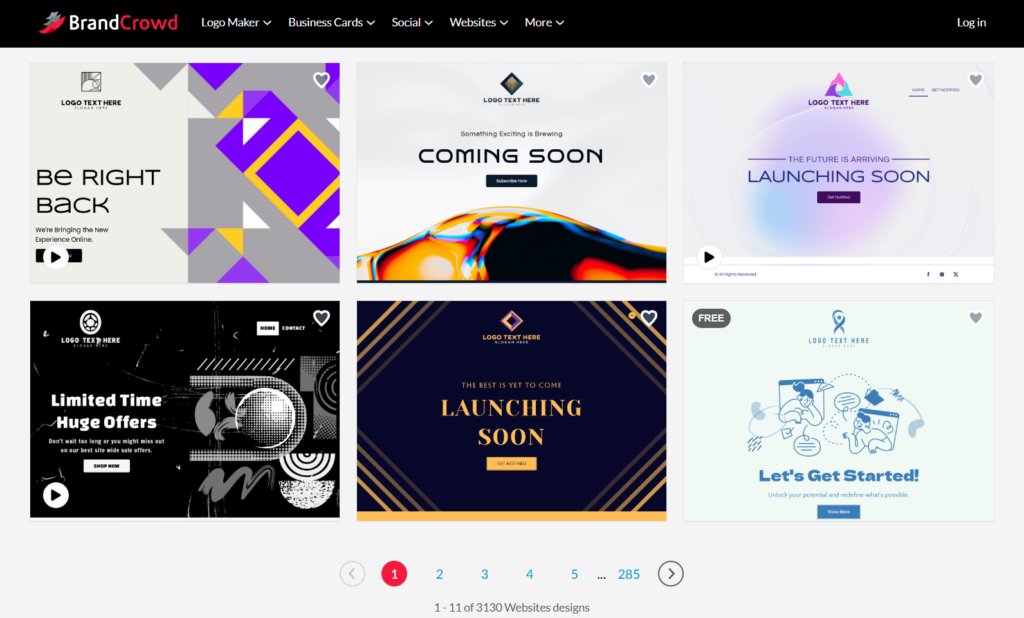
Low-code platforms provide visual interfaces and some custom coding, while no-code platforms offer a fully drag-and-drop process. These platforms help entrepreneurs to create websites, apps, and internal tools on their own, making prototyping and product launches faster than before.
BrandCrowd Website Builder and Design.com Website Builder are just some examples of these platforms. Both feature intuitive, drag-and-drop interfaces with professional templates that you can easily customize.
They’re beginner-friendly, so even if you have no technical background, you can quickly create and launch a professional website for your business.
5. Edge computing and IoT integration
Business operations now involve many connected devices, generating a huge amount of data that can take time to process. This is where edge computing and IoT come in. They can provide entrepreneurs with real-time insights to make timely operational decisions and avoid delays in production, maintenance, and logistics.
Examples:
- AWS Greengrass
- Azure IoT Edge
- Google Edge TPU
- Particle
6. Quantum computing (early stage)
Startups are exploring quantum computing and its possible applications for optimization, logistics, complex simulations, and advanced research. Quantum computing applies principles from quantum physics to perform computations that traditional computers cannot.
Examples:
- IBM Quantum
- Google Quantum AI
- D-Wave Leap
- Bluequbit
- Rigetti
How Startups Can Stay Ahead of Tech Trends
Knowing the latest tech trends is not enough to stay ahead. You should also be able to integrate them into your operation. Here are some tips on how your startup can embrace new technology:
- Build a culture of innovation: Acceptance of innovation should start within the company culture. Take charge of exploring new tools and encourage your team to check them out, too. Consider the option to hire software team specialists who can bring fresh perspectives and accelerate your technology adoption while mentoring your existing staff.
- Start small with pilot programs: Experiencing how new tools work is the best way to determine if it’s beneficial to your company. Create small pilot programs and test them out with your team without disrupting your whole operation. A software development company can support these pilot initiatives by building prototypes quickly and refining them based on real-world feedback.
- Invest in continuous learning: Provide your team with access to learning opportunities. Courses and workshops are the best places to learn new tools, platforms, and strategies that are relevant to your industry. Working with a brand strategy agency can also help you gain more information not just in tech but also content and branding.
- Leverage automation and AI tools: Don’t hesitate to use tools that can help improve your startup. Automation can free up time wasted on repetitive tasks, allowing you to focus on more important things like strategizing further growth.
- Network with innovators: Networking accelerates knowledge sharing. Other entrepreneurs, developers, and industry experts can introduce you to new technologies you haven’t heard about.
- Monitor competitors: Check what your competitors are doing. Monitor competitors to see if they have adopted new tools and study their successes and failures to see if you could also use the same kind of technology in your startup. Businesses can also use SEO strategy services to analyze competitors’ search visibility, identify content opportunities, and develop a stronger organic growth strategy. You should also analyze how they improve your ranking in search results by evaluating their SEO strategies, content quality, and technical optimizations, then adapt the insights that make sense for your own business.
Essential Tech Tools for Entrepreneurs in 2026
Getting your hands on new tools can be exciting, but keep in mind that not everything will work for you. Knowing which tools to use can help you streamline your operations faster. Here are some of the most effective platforms for modern startups in 2026:
- Branding and design (BrandCrowd, Design.com): Platforms like BrandCrowd and Design.com make it easy to create professional logos and other branded materials. They can help you maintain a consistent brand identity while saving you time and money.
- AI and automation tools (ChatGPT, Zapier, Predictive Analytics): One of the most popular AI tools for content generation is ChatGPT, which can help you generate content. Meanwhile, Zapier connects your apps and automates repetitive tasks, and analytics platforms provide insights into customer behavior. Jotform AI Agents take automation further by creating intelligent forms and workflows that can handle data collection, customer intake, and lead qualification autonomously, reducing manual administrative work. For startups handling high volumes of inbound calls, Telnyx AI-powered voice agents offer another layer of automation — enabling businesses to manage customer conversations, route inquiries, and qualify leads over the phone without adding headcount.
- Project Management (Asana, Notion, Monday.com): These platforms allow teams to organize tasks, track progress, assign responsibilities, and set deadlines. Having one place where you can see every project reduces the risk of missing anything.
- Analytics and insights (Google Analytics, Mixpanel): Analytics can monitor user behavior, engagement, and conversion metrics. They can identify which strategies are working and optimize products or campaigns to ensure conversion.
- Virtual collaboration (Zoom, Microsoft Teams, VR Meeting Platforms): Team collaboration is one of the most important aspects of growing your startup. If you have a remote or hybrid team, it’s essential to use platforms that can facilitate meetings, presentations, and brainstorming sessions. Tools like MuteDeck can further enhance virtual meetings by giving you better control over audio, helping maintain professionalism and reduce disruptions during calls.
Conclusion: Turning Trends Into Action
These tech trends aren’t abstract concepts anymore. They are real tools that are now driving real growth. If you’re planning a new business venture in 2026, learn about these new technologies to catch up and eventually get ahead.
Don’t be scared. Pick one, test it out, and see if it works. To start, create your new brand using BrandCrowd’s cutting-edge AI tools. Generate business names, logo designs, business cards, social media assets, websites, and launch your brand right now!
Dianne Claveria writes SEO-driven content focused on digital marketing and technology. She’s passionate about exploring new tools and trends and sharing insights that help readers stay ahead. Outside of writing, she enjoys traveling and photography.