
How To Establish a Brand Community (And Why It Matters)
What if making customers loyal isn’t just about having a great product? Imagine turning casual buyers into excited fans who love your brand. This is the power of a brand community.
These communities aren’t just random groups of people. They’re lively places where individuals, all sharing a soft spot for a particular brand, find a strong sense of belonging. The fantastic part is they’re not stuck in one physical location.
Thanks to online tools and social media, these communities thrive digitally, bringing all sorts of people together. Every piece of your brand’s story helps build this shared world, from the clear visual identity you establish with a good logo maker to how you consistently communicate.
Here we’ll show you 10 clever ways to grow a loyal and involved community, turning your customers into your biggest champions.
Understanding Brand Communities
Before building brand communities, let’s first understand what they are and why they matter today.
What is a brand community?
A brand community is a group of people who genuinely connect with each other because they all love a specific brand. These aren’t just customers. They are fans who share interests, experiences, and a sense of belonging tied to the brand. They chat, support each other, and celebrate their shared passion.
While these groups used to meet in person, thanks to online tools, they now thrive digitally, connecting people globally. This shows how much we seek to belong. A brand can help us find that.
Why do brand communities matter in marketing?

From a marketing view, a strong brand community is compelling. It drives authentic word-of-mouth. Loyal fans will eagerly discuss your brand, recommend it, and defend it. This organic promotion is priceless.
These communities also naturally create user-generated content (UGC), where members share their photos, videos, and stories. This content is honest, trustworthy, and acts as free, powerful advertising. It’s a win-win situation in which customers become your best advocates.
The impact of a strong brand community is also measurable. A TINT report showed that 73.6% of consumers are more likely to buy more often because of an online brand community. This shows how directly these communities boost sales and keep customers coming back.
Brand community in action
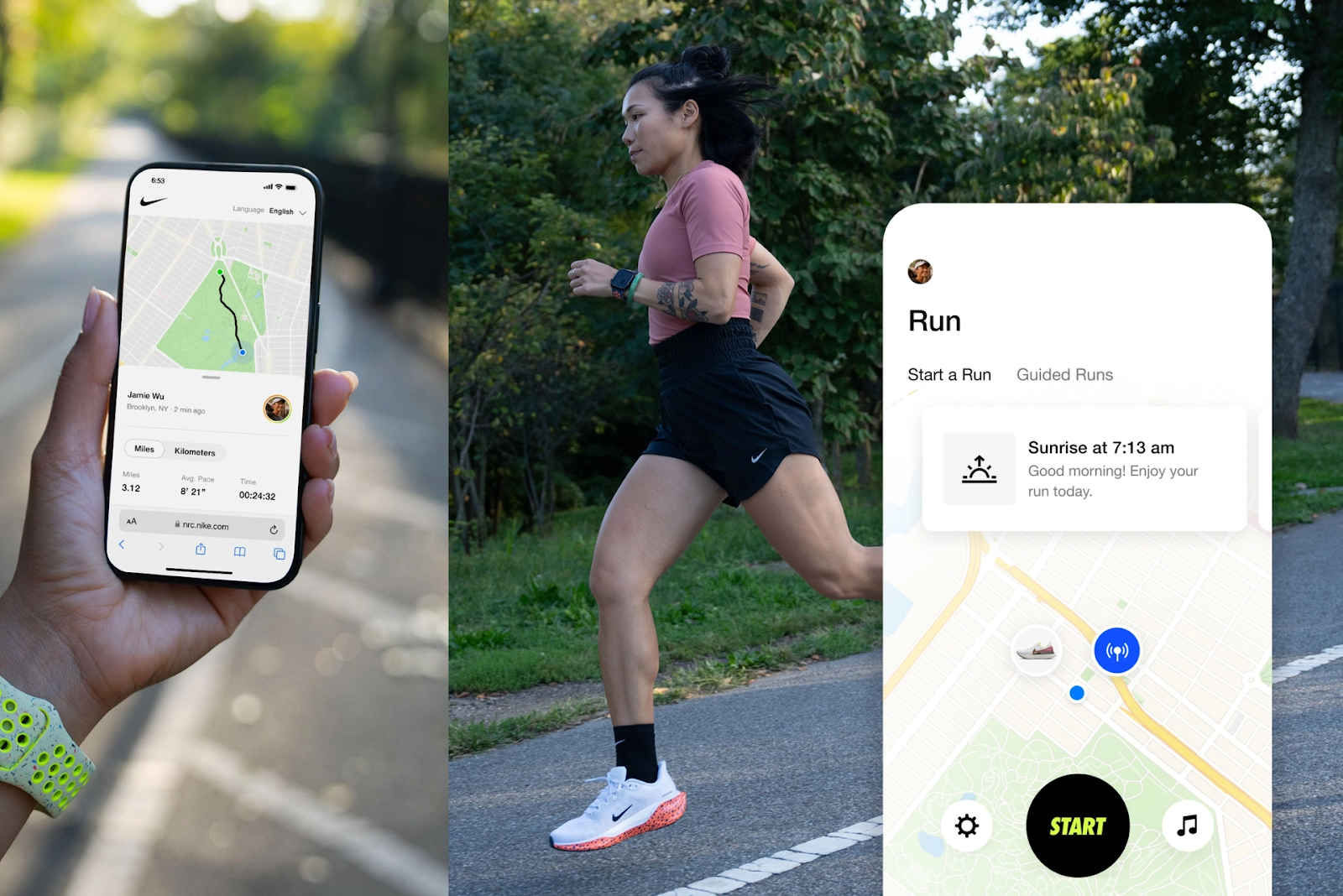
Nike Run Club (NRC) is a top example of brand community engagement. Nike built a global community around running, going far beyond just selling shoes. Through their app, users track runs, join challenges, share progress, and connect with other runners worldwide.
This creates a strong sense of shared goals and motivation, linking Nike directly to their members’ active lifestyles. It’s one of the best brand communities out there.
10 Ways To Establish a Brand Community
Building brand communities is a smart move for your business. It leads to super loyal customers, more involvement, and free word-of-mouth advertising.
Here are ten easy and powerful ways to create your lively brand community:
1. Use social media well
Social media is often the best place to start. Don’t just post. Use Facebook posts, Instagram, and TikTok videos to encourage conversation.
For example, a private Facebook group for loyal customers gives them a special connection. Instagram posts get users to share their content, which you can then highlight. On TikTok, you can create fun challenges or use trending sounds to encourage users to show off your product creatively.

Sephora’s Beauty Insider Community is an excellent example of brand community engagement. Members actively share their makeup looks, ask product-related questions, and connect with others over their shared passion for beauty. This turns passive followers into active participants who feel connected to the brand and each other.
2. Create special programs for members
People love feeling special. Offer exclusive loyalty programs or special memberships. These can give unique content, discounts, early access to new products, or even member-only events. The goal is to reward loyal customers and make them feel like part of an important group.

The Starbucks Rewards program is a prime example of this strategy in action. By incentivizing repeat purchases with points, personalized offers, and freebies, Starbucks drives sales and builds a loyal brand community. Members feel appreciated and receive tangible benefits for their continued engagement, making them frequent visitors.
3. Host fun events and workshops
Bringing your community together through events, online or in person, strengthens their bonds. These could be online classes on how to use your product or real-life meetups. The idea is to share knowledge, offer unique experiences, and let members connect with each other and your brand.

Lululemon is excellent at this. They regularly host free yoga classes, meditation sessions, and wellness workshops in their physical stores and online. These events go beyond selling activewear. They cultivate a lifestyle around their brand.
This attracts a brand community that values well-being and active living, creating deep connections beyond just transactions.
4. Ask for and showcase user-generated content
One of the most authentic forms of marketing comes directly from your customers. Encourage them to create and share photos, videos, or reviews about your brand. Make it easy with hashtags. Most importantly, show off this content on your social media or website. This allows you to thank your community and acts as strong proof for new customers.

The LEGO Ideas platform perfectly embodies this strategy. It allows fans to submit their own LEGO set designs, and if a design gathers enough support, it might even become an official LEGO product. This empowers fans and builds immense loyalty.
5. Build online forums or communities
While social media is good for reaching many, a dedicated online forum on your website or app offers a deeper space. This can be a central spot for discussions, Q&As, help guides, and direct feedback. It gives members a stronger sense of ownership.

The Apple brand community has Apple Support Communities. Here, users can post questions, find solutions, share their knowledge, and help fellow Apple users. This creates a self-sustaining support system that reduces customer service load and empowers users to assist each other.
6. Work with influencers and brand ambassadors
Partnering with individuals who align with your brand’s values and mission can help you reach new audiences and strengthen your community. These influencers and brand ambassadors can leverage their existing communities to introduce your brand, build trust, and drive engagement. Their honest support often works better than regular ads.

L’Oréal Paris’s ambassador program is a testament to this, as it strategically integrates a diverse range of people to promote its products. These ambassadors highlight the products and engage directly with their followers, creating conversations and extending L’Oréal’s community reach.
7. Listen to feedback
A truly involved brand community feels heard. Actively ask for feedback, ideas, complaints, and suggestions. Most importantly, show that their opinions change your products or services. When a brand listens and acts, it builds huge trust and loyalty.

Oddli, a sustainable fashion brand, shows this by directly using customer feedback in their design decisions for new clothing lines. This collaborative approach doesn’t just improve their products. It fosters a strong, loyal brand community that feels integral to its evolution and direction.
8. Share behind-the-scenes content
People are curious. Showing a peek behind your company’s curtain can make your brand feel more human and create deeper connections. Share insights into your daily work, how products are made, or stories about your team. Consider creating a private Facebook group where you can share exclusive behind-the-scenes content with your most engaged customers. This openness builds trust and makes your brand relatable.

For instance, YSE Beauty shares intimate stories about the development of its skincare line and personal experiences that inspired the products. This authentic storytelling helps the brand connect with its audience more emotionally, inviting them into the brand’s journey and making the brand feel more like a friend.
9. Help members support each other
Let your community members help each other. This creates a valuable place for advice and problem-solving, building a strong sense of teamwork within the brand community. When members help each other, it strengthens their bonds.
You could even give “top contributor” badges to recognize and reward active members who consistently provide helpful advice.

For instance, in the Peloton community, users frequently share workout strategies, offer motivation, and even help troubleshoot equipment questions for fellow riders and runners. This creates a supportive environment where members uplift each other and collectively enhance their experience with the brand.
10. Match your community with your brand’s values
A strong brand community is built on shared values. Every community effort, every piece of content, and every interaction should show what your brand stands for. This attracts people who believe in your mission, leading to a more involved and passionate group.

For example, the outdoor clothing company Patagonia is famous for its commitment to the environment. Their green branding community often comprises individuals with a passion for protecting wild places.
Patagonia fosters this by campaigning for environmental causes, making its community a powerful extension of its brand mission and one of the best communities.
The Power of Your Brand Community
Building a strong brand community isn’t just a nice add-on. It’s key to creating deep customer loyalty and turning buyers into passionate fans. Using these ten simple strategies, your brand can build lively and powerful communities.
To kickstart your brand community, begin with a clear and memorable brand identity. BrandCrowd can help you craft a strong visual look that connects with your audience and builds stronger bonds, offering everything from logos and business cards to website builders, posters, and many more design solutions.
Remember, a thriving brand community is your brand’s most powerful asset.
Read more on brand building here:
- How To Write Welcome Emails That Define Your Brand
- Tagline vs. Slogan: Understanding Their Impact on Brand Recognition
- 5 Reasons You Need a ‘Link in Bio’
Frequently Asked Questions (FAQ) About Brand Community
- What is a brand community?
A brand community is a group of people who connect because they all share a strong liking or admiration for a particular brand. These connections often grow through online spaces, allowing fans to share their experiences and support each other, creating a sense of belonging.
- How does a brand community benefit my business?
A brand community significantly boosts customer loyalty, making people more likely to stick with your brand over time. It also encourages customers to create and share their content, which acts as powerful, natural advertising. Ultimately, this leads to more sales as happy community members spread positive word-of-mouth.
- What are some brand community examples?
Great examples include Apple’s Support Communities, where users help each other with product questions and solutions. LEGO Ideas allows fans to design new sets, deeply involving them with the brand’s creative process. Sephora’s Beauty Insider Community connects beauty fans to share tips and looks, fostering strong shared interests.
- How can I measure the success of my brand community?
You can measure success by looking at how active members are, such as how often they post or interact in discussions. It’s also essential to track how long customers stay with your brand and how much income comes from ideas or sales started within the community. These numbers show how well your community is helping your business grow.
- What is brand community theory?
Brand community theory suggests that people often look for a sense of belonging and identity through their favorite brands. It suggests that shared activities, common practices, and feeling responsible for the brand and other members are key to a strong community. This shared feeling goes beyond just buying things; it’s about forming deeper, lasting connections.
Hannah Suroy suroy loves turning big stories into easy-to-digest articles about movies, TV, business, and more. These days, she mainly writes creative articles and insights focused on the world of design.
Original Artwork by Khim John Blazo