How To Start a Clothing Brand in 2026
Starting a clothing brand feels exciting, but also overwhelming. You’ve got ideas for designs, maybe even a vision for your first collection, but the questions pile up fast: How do you stand out in 2026’s crowded fashion scene? How much does it really cost? Where do you even begin?
This guide walks you through the process step by step. From finding your niche to launching your store, you’ll learn what matters most, what to avoid, and where to spend your money.
Brand identity is one of the first things to lock in. A transparent logo and visual toolkit give you instant credibility, even before you’ve sold a single piece. You can make one quickly with the best logo maker. It’s a fast way to create a polished look that ties your brand together across products, website, and social media.
Let’s get started!
Why Launch a Clothing Brand in 2026
The timing has never been better for new clothing brands. Consumer preferences are shifting. Technology has lowered the barriers to entry. There’s also a genuine appetite for fresh voices in fashion.
Here’s what makes 2026 the right moment to start.
The fashion world in 2026
The way people buy clothes has changed. Fast fashion still exists, but shoppers are tired of it. More people care about eco-friendly fabrics, second-hand items, and slow fashion. “Quiet luxury” is also popular: simple, well-made clothes without flashy logos.
Print-on-demand (POD) and digital stores make it easier for small brands to join in. You no longer need to order 500 t-shirts and risk them not selling.
Today, you can start with just one sample, open a small store, and sell to people online. For entrepreneurs looking to capitalize on these market shifts, understanding how to start a clothing brand in this new landscape is crucial for success.
People want small and honest brands
Shoppers are picky in 2026. They don’t just look at price. They care about the story behind a product. For example:
- Is this shirt made fairly?
- Does the brand stand for something?
- Does the design feel personal or unique?
Small brands win because they can answer these questions better than big brands. People will listen and share if your clothing line feels honest and thoughtful.
This shift in consumer behavior creates tremendous opportunities for new entrepreneurs learning how to start a clothing brand online.
Simple ways to start with POD and online stores
In the past, you had to spend thousands on inventory. Now you don’t. Print-on-demand lets you upload a design, sell it online, and only make it when someone orders. Small factories also accept orders of 30 or 50 pieces. This means:
- You test ideas with less risk
- You don’t waste money on unsold stock
- You can grow step by step instead of all at once
Step-By-Step Guide to Launching Your Clothing Brand
Now that you understand why 2026 is the perfect time to launch, let’s break down exactly how to do it. Follow these ten practical steps to go from idea to your first sale.
1. Pick your niche and customer
Trying to sell to everyone is a mistake. You’ll get lost. Instead, pick one clear niche. Examples:
- Streetwear for teens
- Minimal basics for working adults
- Adaptive clothes for people with disabilities
- Sustainable capsule wardrobe for women
Once you pick a niche, picture your customer. How old are they? What problems do they face? What colors and styles do they like? Knowing your customer well will make your designs and marketing sharper.
2. Do simple market research
You don’t need expensive research. Use tools you already have:
- TikTok and Instagram: Look at what clothes are trending
- Reddit: Read honest comments about what people like or hate
- Competitors: Check reviews on their websites to see what buyers love and what they complain about
You can also ask people directly. Post an Instagram poll: “Do you prefer oversized hoodies or fitted hoodies?” Even 20–30 answers give you clues.
3. Create your brand identity
Your brand is not just the clothes. It’s the feeling people get when they see your name. To shape it:
- Choose a business name that matches your vibe (short, simple, and easy to remember)
- Write your story in 2–3 sentences (why you started, what you care about)
- Decide on values like sustainability, quality, or inclusivity
Example: “We make small-batch, eco-friendly streetwear so teens can look good without hurting the planet.”
4. Make a logo and brand kit with BrandCrowd
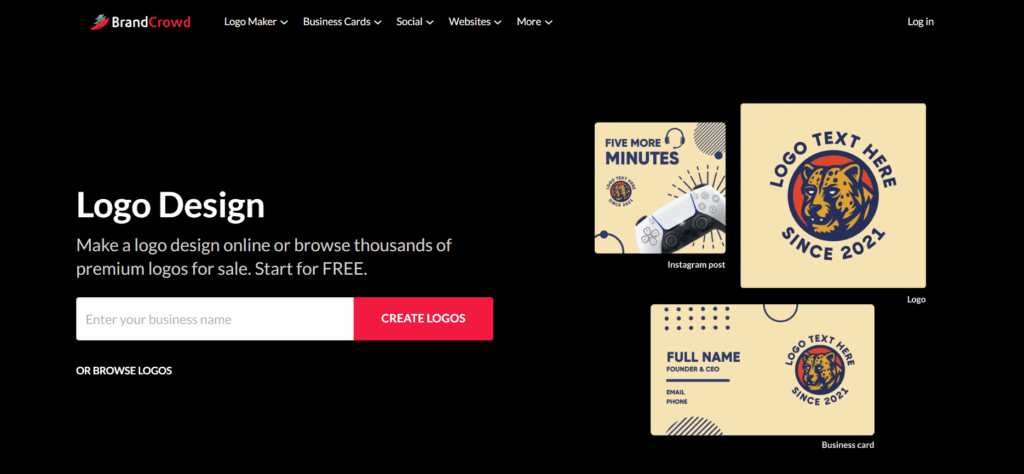
Your logo is the face of your brand. You don’t need to hire a pricey designer. BrandCrowd can help you make a logo in minutes. You also get matching color palettes and templates for posts.
This matters because consistency builds trust. If your Instagram, website, and packaging look connected, your brand feels real, even if you’re just starting.
Check out some of the fashion logos you can easily customize on BrandCrowd.
Gorilla Ape Streetwear by Design.com
Skull Tattoo Streetwear by BrandCrowd
Elegant Luxury Diamond by Design.com

Elegant Luxury Ornamental by BrandCrowd
Coconut Beach Resort by Design.com
Beach Villa Resort by BrandCrowd
Intimate Lips Sexy by Design.com
Fitness Woman Trainer by BrandCrowd
Fitness Instructor Kettlebell by BrandCrowd
5. Design and test your first items
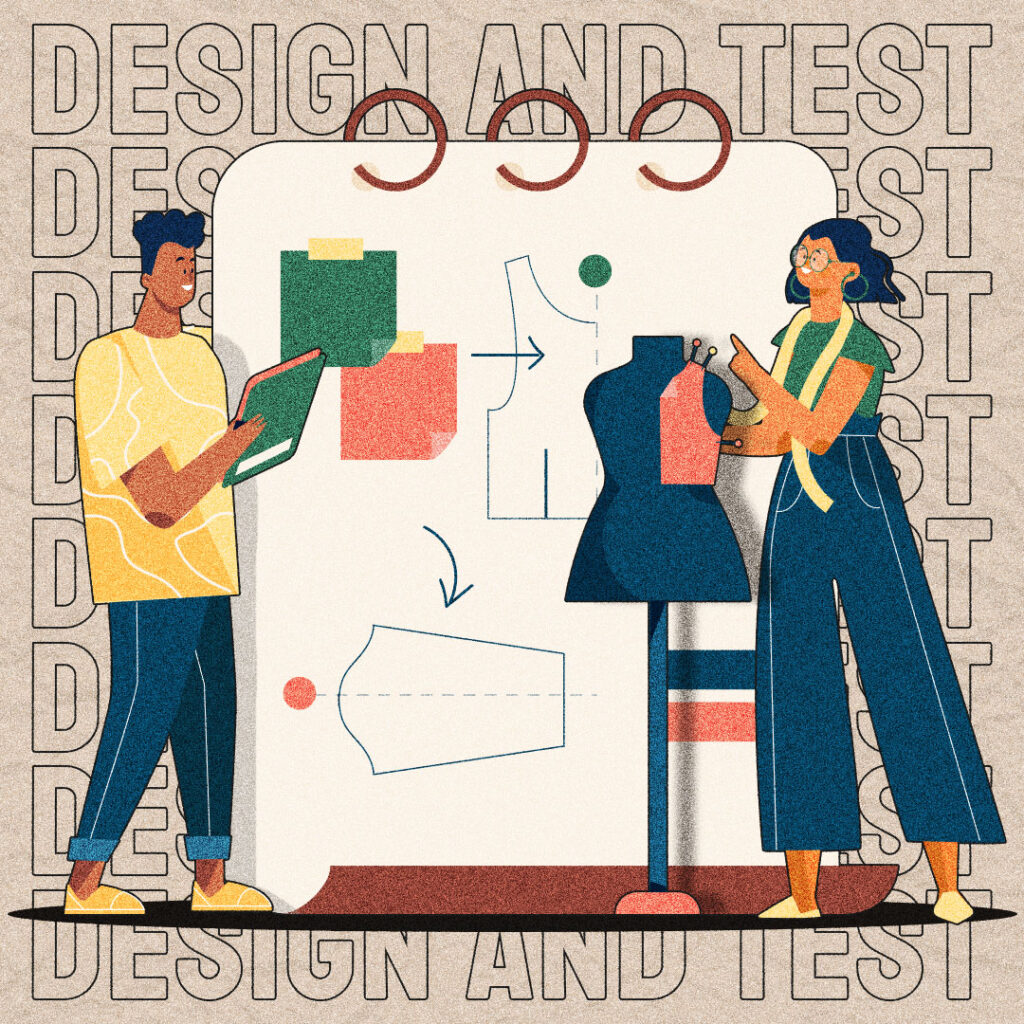
Start small. Do not make 20 products. Focus on 1–3 main pieces that show your style. For example:
- A signature hoodie
- A graphic T-shirt
- A minimalist tote bag
If you want to test demand quickly, consider launching Printify custom hoodies as part of your first collection—they’re easy to personalize and great for showcasing your brand identity. Order samples first. Touch the fabric, check the fit, and wear it yourself. Post photos online to see how people react.
If you use POD, you can upload designs and sell right away. Using a small factory, start with low numbers like 30 pieces.
6. Handle business basics and costs
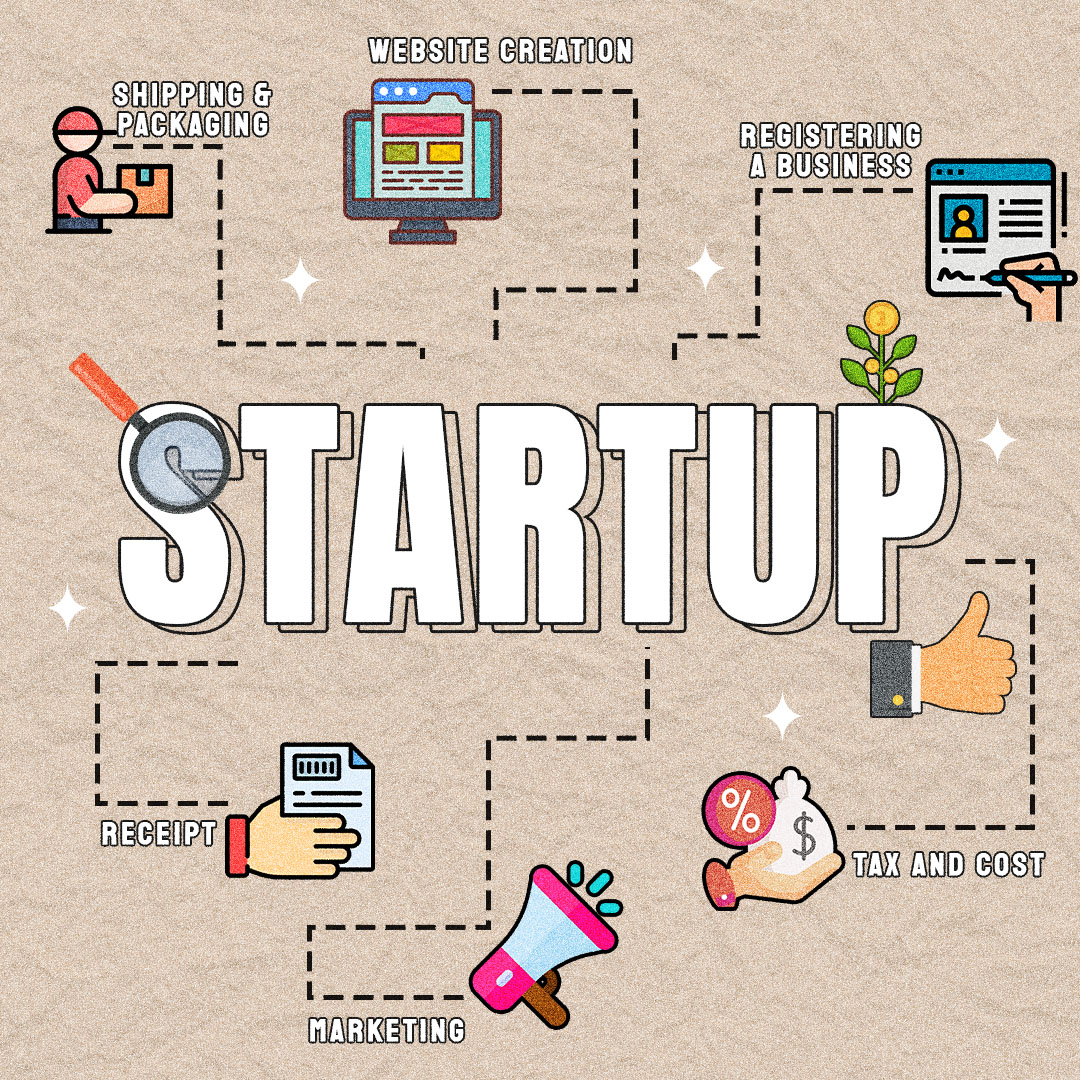
A clothing brand is still a business. It needs structure. Steps to handle early:
- Register your business (LLC or local setup)
- Check tax rules in your area
- Save receipts to track spending
Common costs include:
- Sample fees
- Shipping
- Website subscription
- Marketing and photos
- Packaging like boxes or bags
Write down all your costs so you know how much you spend before making money.
7. Set your prices
Pricing is more than math. It also shows where your brand belongs.
Steps to set price:
- Add up all costs (fabric, printing, shipping, website fees)
- Add a margin (usually 2–3x the cost)
- Compare with competitors in your niche
- Web scraping tools for price comparison can also help brands monitor competitor pricing strategies and position their products more effectively.
If you want to start a premium or luxury clothing brand, prices must be higher to match the image. If you want to be affordable but eco-friendly, explain why your price is fair.
8. Build your online store
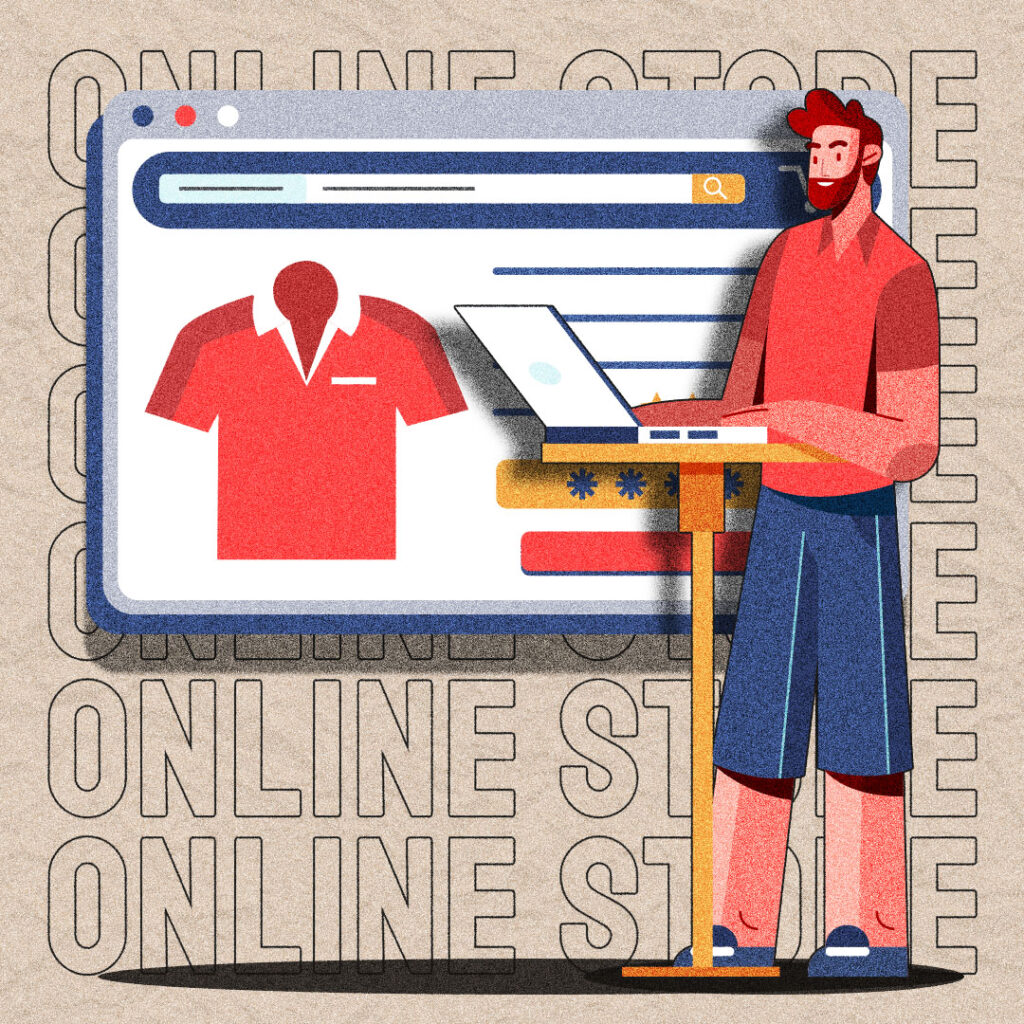
You don’t need a fancy website. You can use free templates from BrandCrowd’s website builder to start. Focus on:
- Good product photos (front, back, close-up)
- Clear descriptions (size, fit, fabric, care)
- A story section (“Why we started”)
- Email sign-up form
Keep the design clean. Make sure checkout is simple.
9. Start marketing
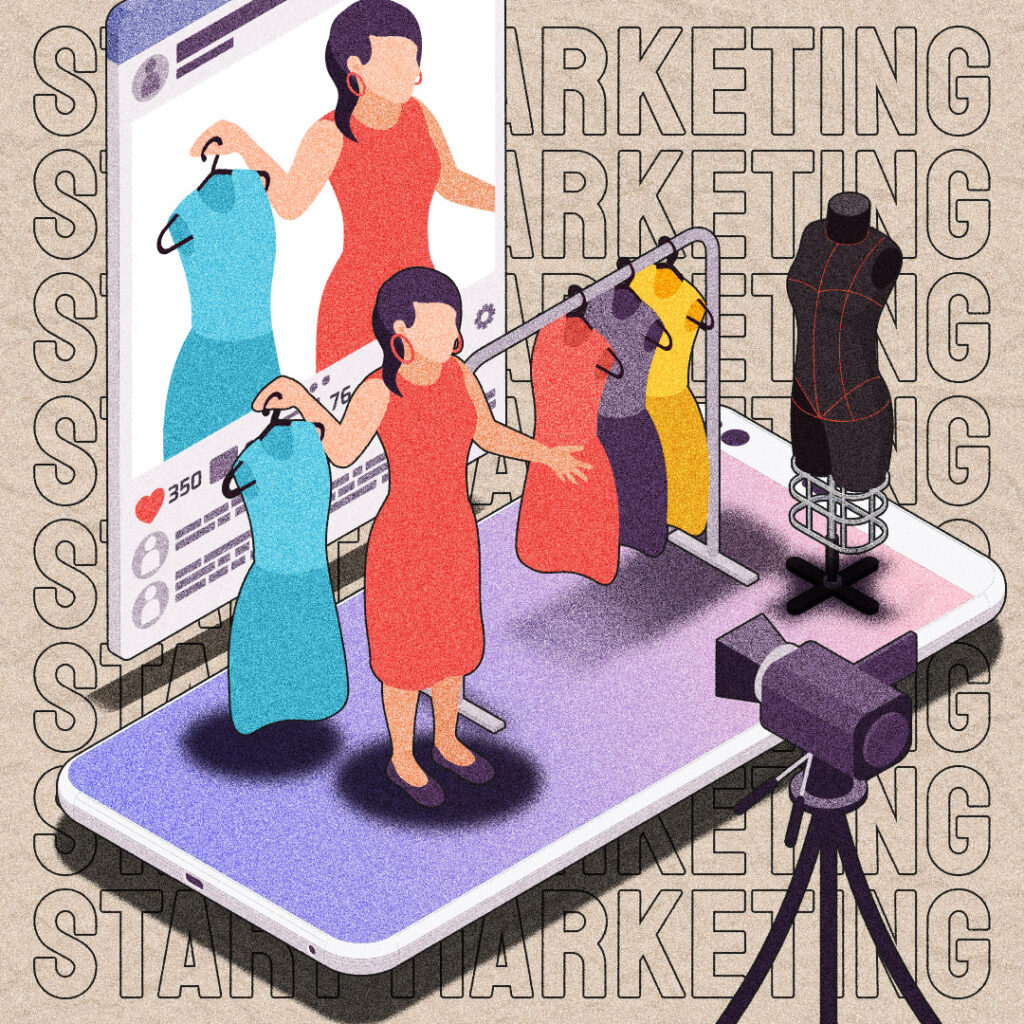
Marketing does not mean spending on ads right away. Share your journey. People love to see the behind-the-scenes of a new brand. Post things like:
- Unboxing samples
- Packing first orders
- Sketching new designs
Work with small influencers. Many will post about your brand if you give them free items. They may have fewer followers, but they often have stronger connections with them.
10. Partner with others
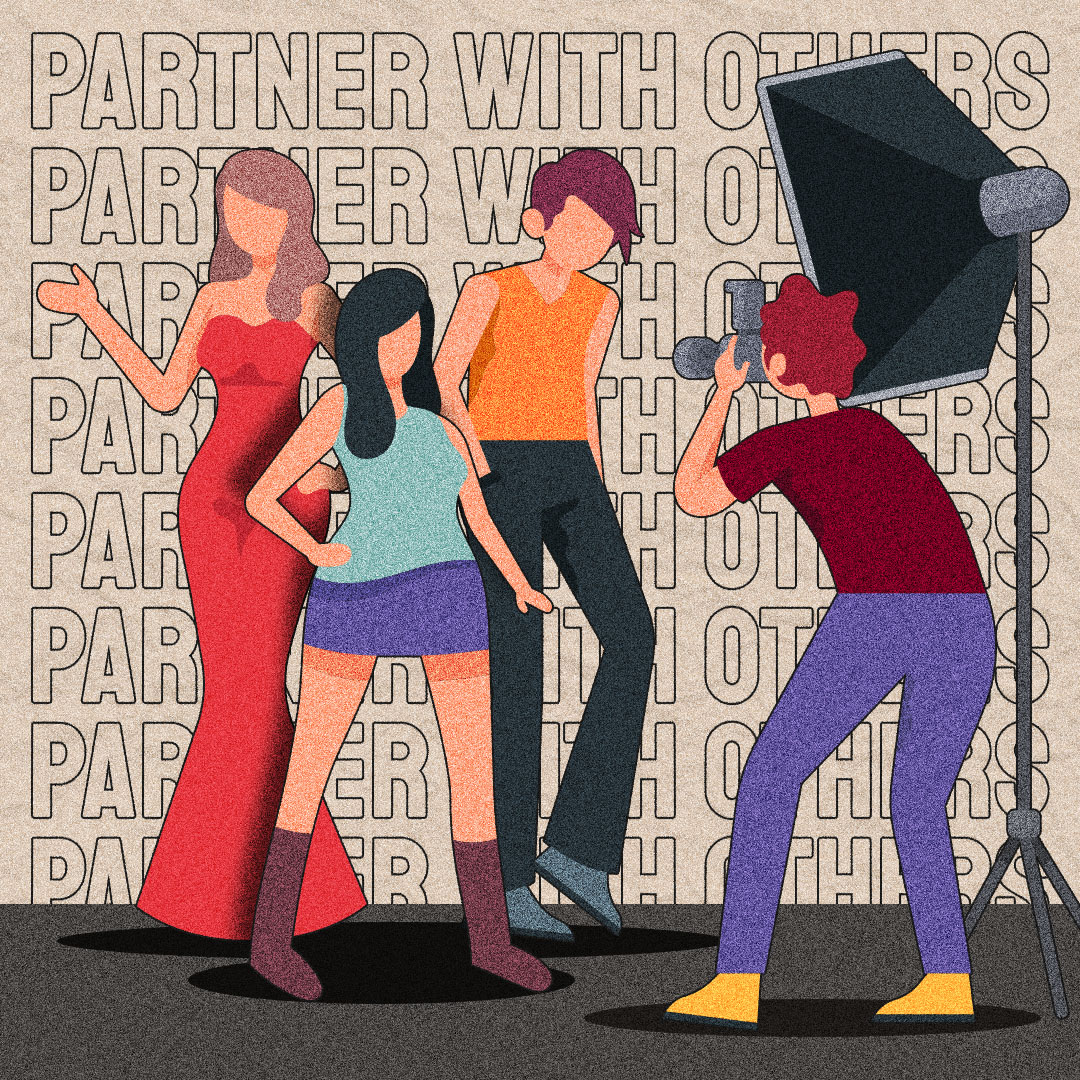
Partnerships can give you reach without much cost. Ideas:
- Collab with a small jewelry brand for a joint photoshoot
- Work with a café to host a mini pop-up.
- Use local couriers who can also promote your clothes.
This builds community and spreads your name faster.
Lean Launch Timeline and Budget
Starting a clothing brand takes planning, but you don’t need years before selling your first piece. If you break it down into steps, you can launch in weeks.
Here’s how the timeline often looks:
Timeline
Brand basics: 3–5 days
This is where you set your foundation. In less than a week, you can:
- Pick a name for your brand
- Write your story (a few sentences is enough at first)
- Make a logo and brand kit using BrandCrowd
- Choose your colors and fonts
- Create a simple Instagram account to claim your handle
You don’t need everything to be perfect. At this stage, your goal is to look like a real brand so people will take you seriously.
Samples: 1–3 weeks
Once your brand basics are set, order samples. If you’re doing print-on-demand, samples can arrive in 7–10 days. If you’re working with a small factory, it might take 2–3 weeks. Use this time to:
- Check fabric quality
- Test the fit
- Take casual photos (you can even model your own samples at first)
- Share “first look” pictures on social media to get feedback
Samples are important. They show you what needs fixing before you spend more.
Website setup: 1–2 weeks
Your store doesn’t need to be fancy. One to two weeks is enough to:
- Pick your e-commerce hosting platform
- Upload your logo and colors so your site matches your brand
- Add product photos (even phone photos work at the start if they’re clear)
- Write short but honest descriptions (what the item is made of, fit, care tips)
- Add an “About Us” page with your short story
- Include an email sign-up box to collect future buyers
Tip: Don’t overthink it. The goal is to have a simple, working store so you can start selling. You can always improve later.
First traction: 4–6 weeks
This is when your brand gets its first “real” proof of life: sales, shares, or feedback from outside friends and family. In this phase, focus on:
- Posting on TikTok or Instagram 3–5 times a week
- Sending your product to 1–3 small influencers
- Running a tiny ad test ($20–$50) to see if strangers click your store
- Talking to early buyers and asking for honest reviews
Don’t expect huge numbers right away. Even your first 10–20 sales matter. They prove people will pay for your product, and that’s the base for growth.
Common Pitfalls To Avoid
Many new clothing brands fail because they skip the basics. Here are mistakes to watch out for in 2026:
- Launching without a niche: If you try to please everyone, your brand will get lost in the crowd. Pick a clear style and audience.
- Inconsistent visuals: Random logos, colors, or fonts make you look unprofessional. Customers trust brands that look consistent everywhere.
- Over-ordering inventory before testing: Buying too much stock upfront can trap your money. Test small runs before scaling.
- Ignoring inclusive or sustainable trends: Fashion is moving toward ethics and accessibility. Skipping this makes your brand feel outdated.
What to Track
Numbers help you know if you’re growing. Track:
- Before launch: email sign-ups, wishlist adds, people giving feedback
- During launch: first 10–20 sales, social shares, first customer photos
- After launch: repeat buyers, people searching for your brand name, new followers, and email list growth
Conclusion
Starting a clothing brand takes effort, but it’s possible even with little money. Focus on a niche, tell a clear story, and test small before growing. Use tools like print-on-demand (POD) and BrandCrowd to save time and money.
If you’ve been wondering how to start a clothing brand with no money or how to launch a clothing brand online, the answer is clear: start small, be consistent, and grow step by step.
And if you’re curious how much it costs to start a clothing brand, you can begin with as little as $500 if you choose POD.
Fashion in 2026 is open to new voices. If you’ve been thinking about it, now is the time to begin.
With BrandCrowd, you can create a polished logo in minutes, design matching social media posts, and maintain consistent visuals like flyers, posters, and business cards.
It’s a simple way to look professional from day one without hiring a designer.