9 Essential Content Types for Your Digital Marketing Strategy
Content marketing in 2025 is more competitive and crucial than ever.
Every scroll, click, and swipe is a chance for your brand to either show up or get buried. Algorithms are constantly changing, audience behavior is shifting fast, and the platforms we rely on keep evolving. One-size-fits-all content just doesn’t cut it anymore.
So, what does work now?
To stay relevant and actually connect with people in this fast-moving digital space, your brand needs a diverse, intentional, and tailored content strategy that reflects how people consume media today.
This guide breaks down nine essential content types your digital marketing strategy needs in 2025.
Why a Diverse Content Strategy Matters in 2025
People now spend hours bouncing between TikTok, YouTube, podcasts, newsletters, and Google results, often all in the same hour. Attention spans are short, mobile is the default, and personalization is expected.
To catch someone’s eye, your content has to match how and where they want to engage. That means snackable social videos, useful long-reads, and content tailored for mobile-first experiences.
Omnichannel = Visibility
Content doesn’t live in silos anymore. Your blog should support your YouTube channel. Your social posts should link back to your lead magnets. Your newsletter should tease your newest video. Your logo maker should help create consistent branding that seamlessly connects all your content across platforms.
A strong content strategy connects the dots across every channel: search, social, email, and beyond, making your message consistent and easy to find.
AI-driven algorithms are the new gatekeepers
Whether it’s Google’s AI search or TikTok’s recommendation engine, platforms now use machine learning to serve content. That means:
- Fresh, rich media gets prioritized
- Relevance and user intent matter more
- You need content that’s tailored to each platform
Bottom line: The more variety and value you bring, the better you’ll perform.
9 Content Types To Include in Your Strategy
If you’re building a content marketing strategy and wondering where to start (or what to fix), these nine content types are worth your attention.
Here are your must-haves:
1. Blog Posts
Blogs are your home base for organic traffic. They help people find you on Google, give value up front, and keep your site fresh and active. Plus, they’re perfect for diving deep into topics your audience cares about.
They’re also super flexible; you can teach something, share opinions, or collect expert insights in one place. Check out our beginner’s guide on how to start a blog.
Examples:
- “How to Build a Content Strategy in 2025”
- “Top 10 Tools for Small Businesses This Year”
- “What We Learned From Launching Our First Product”
2. Videos
Video content pulls people in fast. It’s visual, attention-grabbing, and often more memorable than written content. Short-form YouTube videos are huge right now, but longer ones still work great when you’re explaining something.
You don’t need a studio setup, just good lighting, clear audio, and a real message. You can check out this video from Reebok, which went viral:
Try creating:
- A 60-second product demo
- “Day in the life” behind-the-scenes reel
- Customer testimonial clip
- Tutorial or how-to walkthrough
3. Infographics
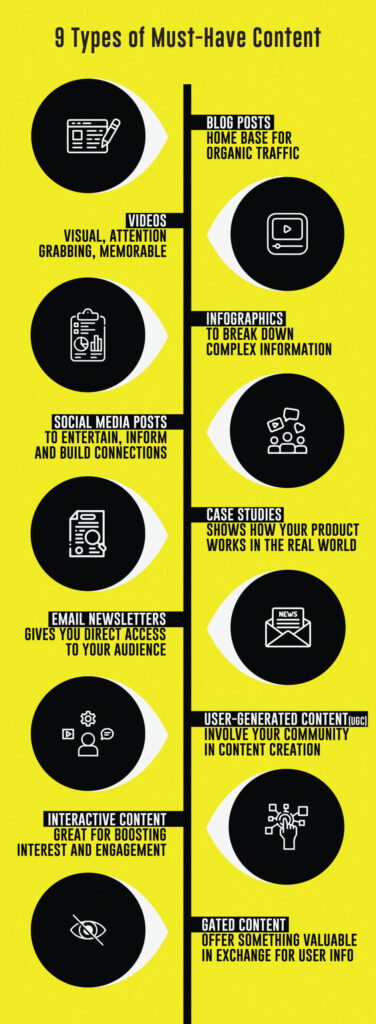
Infographics make it easy to digest complex information. If you’ve got stats, timelines, or multi-step guides, this format helps people get it at a glance. Great for visual learners and quick shares.
They’re also highly shareable and can boost your backlink game.
Where to use them:
- Inside blog posts as visual summaries
- On Pinterest and LinkedIn
- As printables for downloads or reports
4. Social media posts
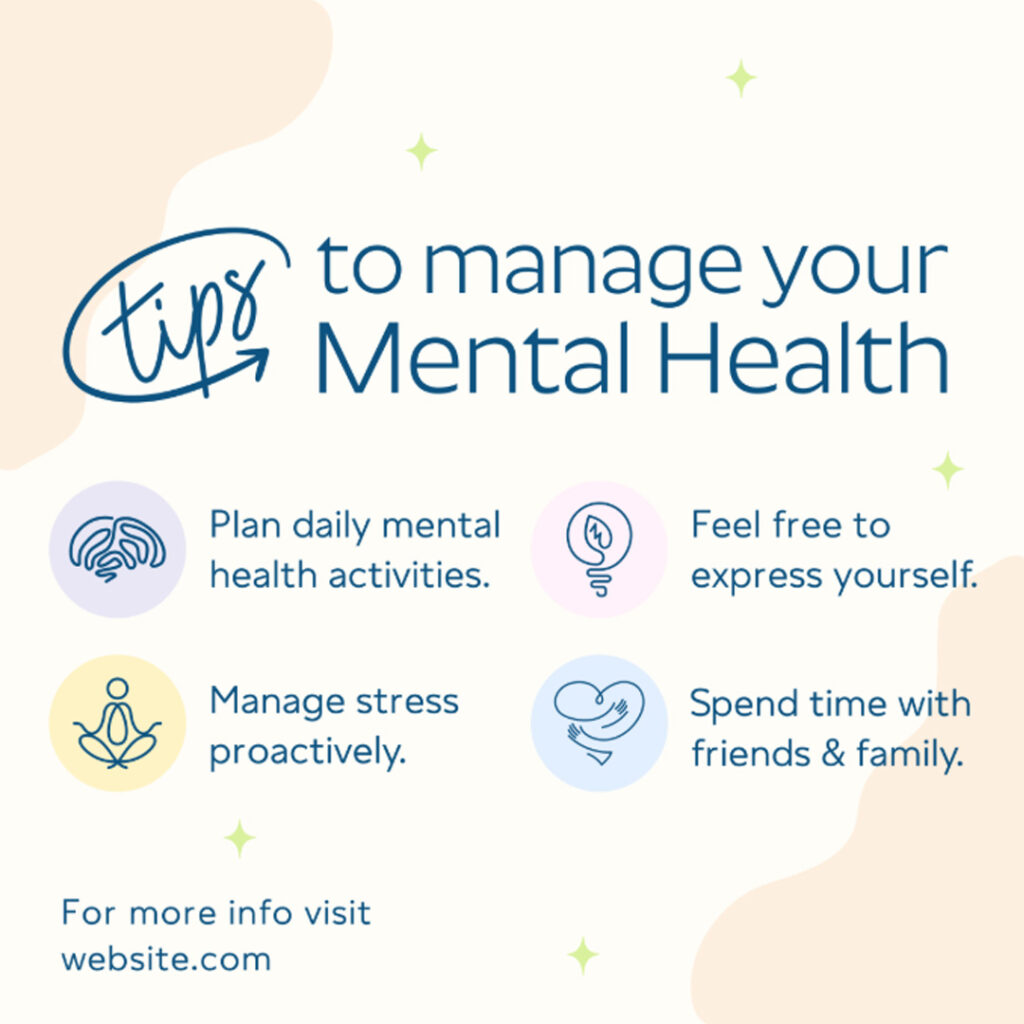
Instagram Mental Health Tips Post by Design.com
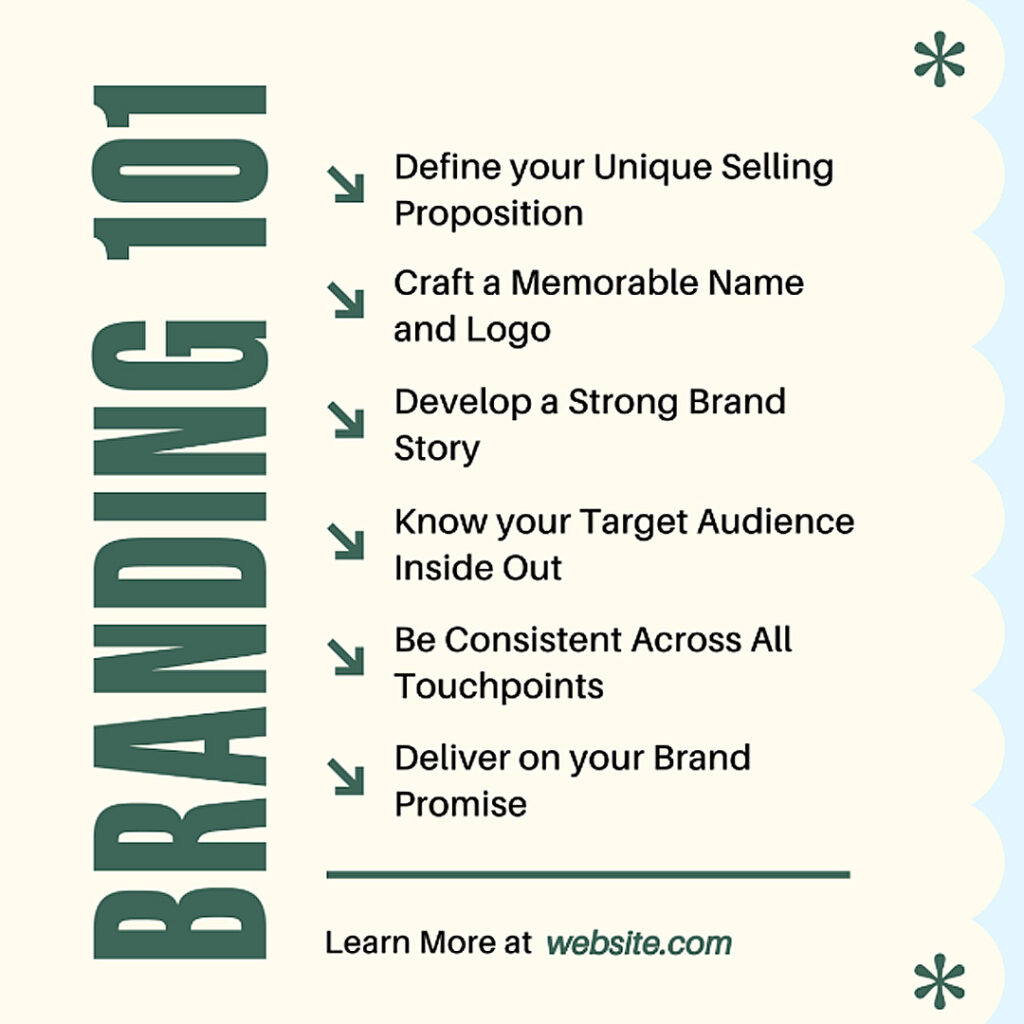
LinkedIn Post Minimalist Branding Tips by BrandCrowd
Social is where most people first meet your brand. Each platform has its flavor, but what matters most is being honest, consistent, and engaging. You want to entertain, inform, or connect.
Switch it up so it doesn’t feel stale. Here’s how to use social media in your omnichannel marketing strategy.
Ideas:
- Carousels on Instagram or LinkedIn sharing quick tips
- “This or That” polls on Stories
- Reels using trending sounds
- Quick wins or mindset posts (“Here’s something we tell every new client…”)
5. Case Studies
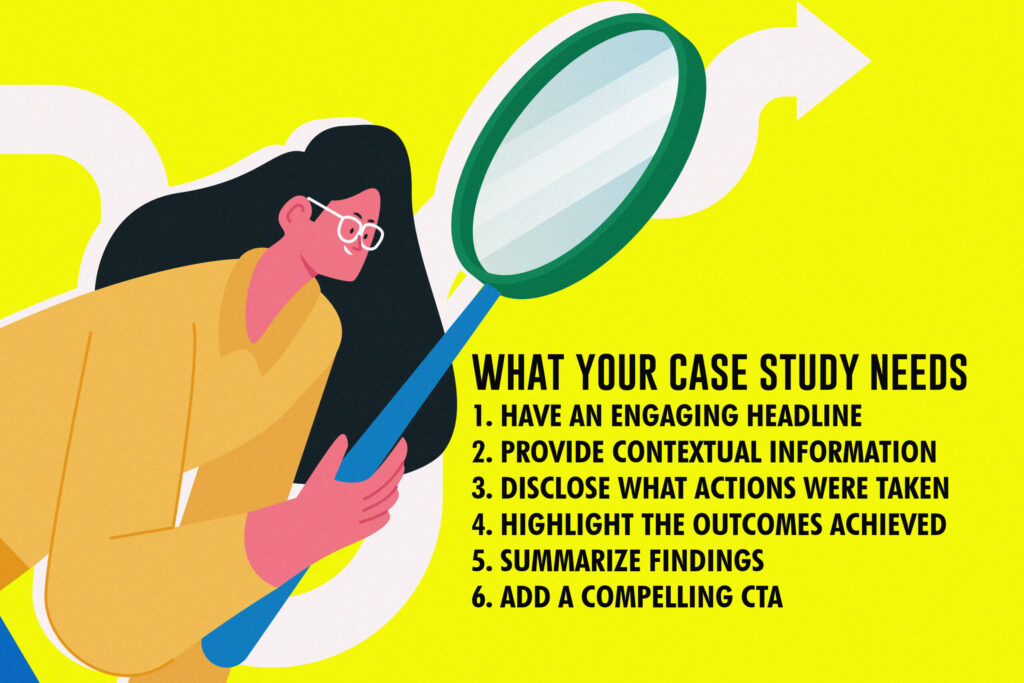
Case studies build trust. Instead of saying you’re good, they show how you helped someone get results. They’re super helpful during the decision-making stage, especially for B2B or service-based businesses. Whether you’re running campaigns in-house or working with a digital marketing agency, case studies provide concrete proof of success to potential clients who want to see measurable outcomes
As an agency, you can also use marketing tools to track conversions more accurately.
Good case study types include:
- “How [Client Name] Boosted Conversions by 40% in 3 Months”
- A visual before/after breakdown
- Slide decks to present on sales calls
6. Email Newsletters
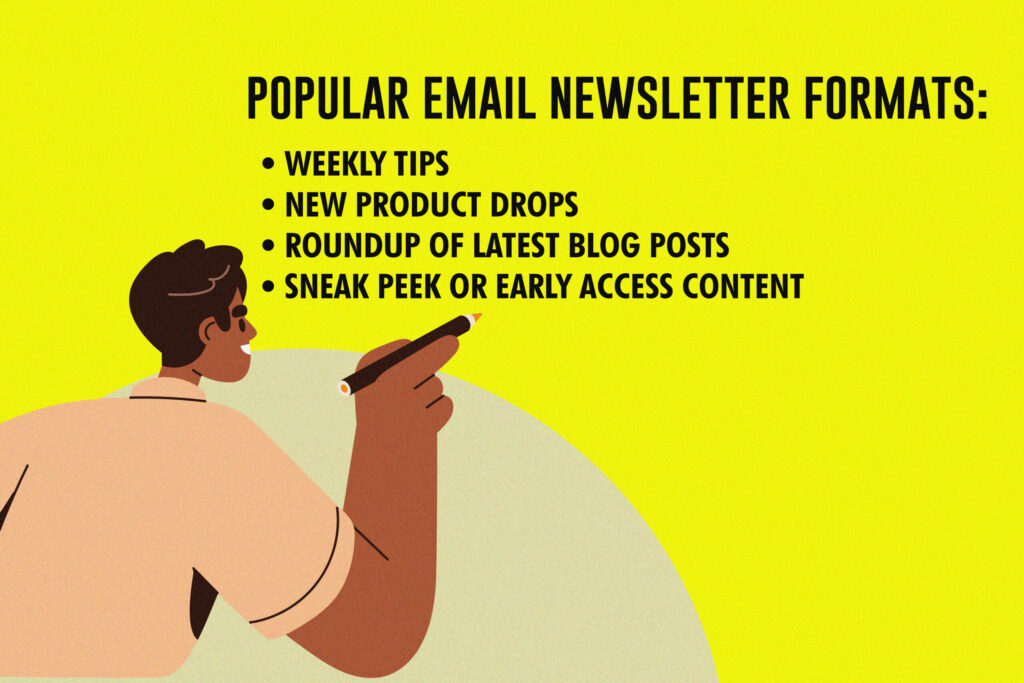
Emails give you direct access to your audience without worrying about algorithms. You own your list, and it’s one of the best ways to build long-term relationships. Keep it simple, helpful, and human.
Don’t forget to include well-designed email signatures. They’re a subtle but powerful way to reinforce your brand with every message you send.
Think of it as a conversation, not a broadcast. To maintain consistency and efficiency in your email content creation, consider leveraging AI writers to help craft compelling subject lines and personalized messaging while maintaining your authentic voice. Popular formats are:
- Weekly tips or “What we’re reading this week”
- New product drops or updates
- A roundup of your latest content
- Sneak peek or early access for subscribers
Some email best practices include:
- Use clear, personalized subject lines
- Segment your audience based on interest
- Keep the design clean and aligned with your brand
To amplify your content’s reach beyond your subscriber base, consider implementing reliable editorial link outreach strategies that can help your valuable email content gain additional exposure. This approach complements your SEO marketing efforts by building quality backlinks and expanding your brand’s digital footprint. For agencies looking to scale these efforts without stretching internal resources, partnering with an SEO Reseller can be a practical solution, allowing you to offer expanded services to clients while relying on a trusted partner to manage the execution.”
7. User-Generated Content (UGC)
UGC is any content created by your fans or customers. It’s trustworthy, authentic, and usually way more relatable than polished brand content. Plus, people love seeing themselves featured. To make the most of this approach, many brands look to UGC agencies and UGC platforms like Billo that specialize in organizing and amplifying customer-created content across different platforms.
Make it easy for them to share their experience with you.
Ways to collect UGC:
- Run a hashtag challenge
- Ask customers to post photos with your product
- Use reviews and testimonials in your content
- Feature creators or power users on your feed
- Create TikTok videos
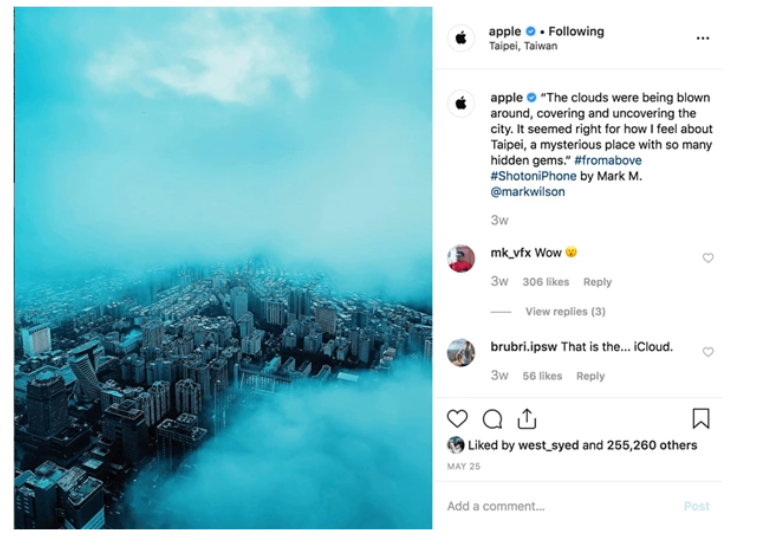
Apple’s #ShotOnIPhone campaign is a perfect example of user-generated content done right. Real users share stunning photos taken on their iPhones, and Apple features the best ones across social media and ad campaigns. It’s authentic, community-driven, and turns everyday customers into proud brand ambassadors.
8. Interactive Content
Interactive content keeps people engaged longer. It turns your audience from passive viewers into active participants, boosting interest and conversions.
It also gives you helpful data about your audience’s wants or struggles.
Great interactive formats:
- Quizzes (“What’s your brand voice?”)
- Calculators (ROI tools, pricing estimators)
- Polls and sliders
- Product selectors
- Interactive email designs
Example:
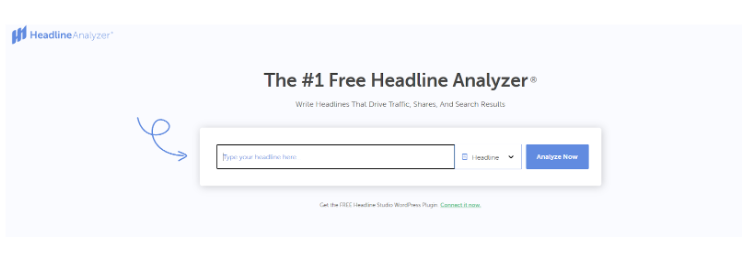
A great example of interactive content is CoSchedule’s Headline Analyzer. It lets users plug in their blog or email headline and instantly get a score based on structure, word balance, and emotional impact.
It’s helpful, easy to use, and encourages repeat visits while subtly showcasing CoSchedule’s expertise. This kind of tool builds trust and keeps people coming back.
9. Gated Content
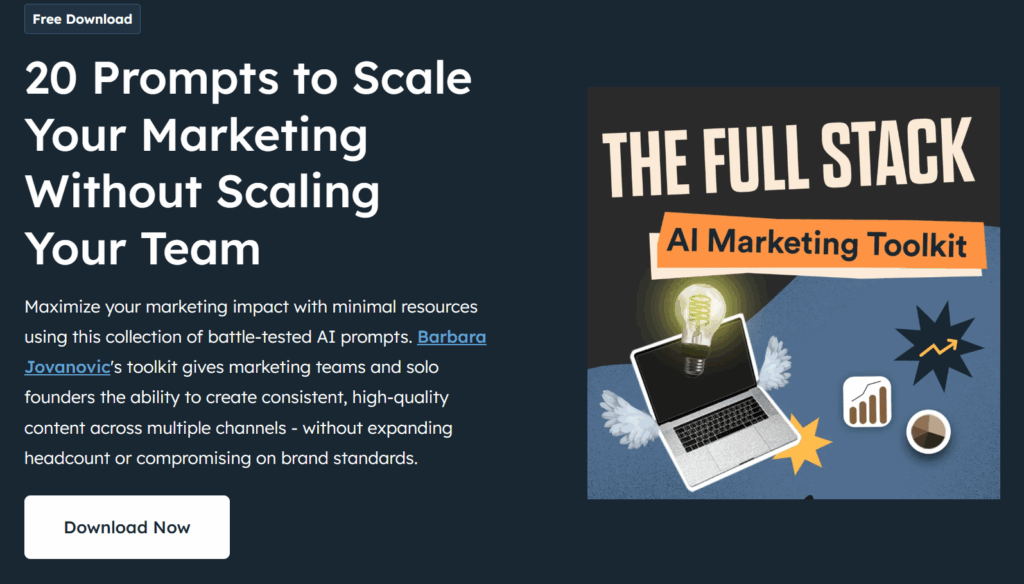
Gated content is essentially lead magnets. You give your audience something valuable in exchange for their contact info.
It’s how you turn casual visitors into warm leads because people who sign up are those truly interested in what you have to offer. Just make sure what you offer is indeed useful and easy to access. For example, don’t tease a free white paper only to give an excerpt.
Keep it focused on solving one specific problem or question.
Some examples of high-performing lead magnets include:
- A 10-step checklist
- Editable templates (like a social calendar or email copy doc)
- Free webinar or masterclass replay
- “Start Here” guides for beginners in your niche
Tips for Creating Content That Actually Works Across Different Types
Creating content for different platforms and formats can feel like juggling five balls at once. What works for a blog post might flop on TikTok. And something that gets shared on Instagram might not land in your newsletter. So, how do you keep your content effective, no matter the type?
Here’s what to do:
- Know the goal before you start: Are you trying to educate, entertain, convert, or build awareness? The purpose should shape the format, tone, and length. When planning your content strategy, remember that a blog post meant to rank on Google differs from a social post meant to spark comments.
For brands prioritizing organic growth, tie your content calendar to an SEO roadmap. Choosing the right SEO package for your business can help define monthly deliverables, clarify pricing, and set realistic timelines. - Match the content to the platform: Don’t just copy-paste. A YouTube tutorial needs structure and pacing, an Instagram Reel needs energy and visuals, and an email should feel personal. Each channel has its own rhythm; respect it.
- Repurpose. Don’t repeat: Turn one idea into multiple pieces. A blog post can become a LinkedIn carousel, or a webinar can be sliced into short videos. Tools like Riverside video editing can help turn long-form content into polished clips. Repurposing keeps your message consistent without extra work.
- Keep it snackable when you can: People are busy. Break your content into small sections. Use bullet points, short paragraphs, and visuals to make it easier to scan or watch in chunks.
- Focus on one clear message: Each piece of content should have one main takeaway. If you try to say five things, chances are none will resonate. Keep it focused, and your audience will remember it.
- Design matters more than you think: No matter the format, visuals matter. Use consistent branding: colors, fonts, and style to build recognition. Tools like BrandCrowd can help you design fast and stay on-brand.
Conclusion
That’s it! You’ve got the nine content types that can seriously level up your marketing in 2025.
You don’t have to use them all at once. Start with what feels doable, build from there, and keep your audience in mind every step of the way. The real magic happens when your content feels useful, relevant, and easy to connect with.
Mix it up, keep it consistent, and don’t be afraid to repurpose stuff you already have. And if you need help making things look good, tools like BrandCrowd make it easy to design content that fits your brand.
Read More on Designs Here:
- 50 Funny Logos To Make Your Brand Unforgettable
- The Complete Rebranding Checklist for a Flawless Brand Overhaul
- 10 Branding Assets Every Startup Needs (And Where to Get Them Fast)
Shayne Jain is a content writer with 7 years of experience specializing in creating engaging and impactful content. Her passion for writing began at age 8, when she started crafting short stories and songs. When she’s not writing, you can find her kicking balls on the football field or immersed in a good video game.
Original Artwork by Selwyn Legaspi