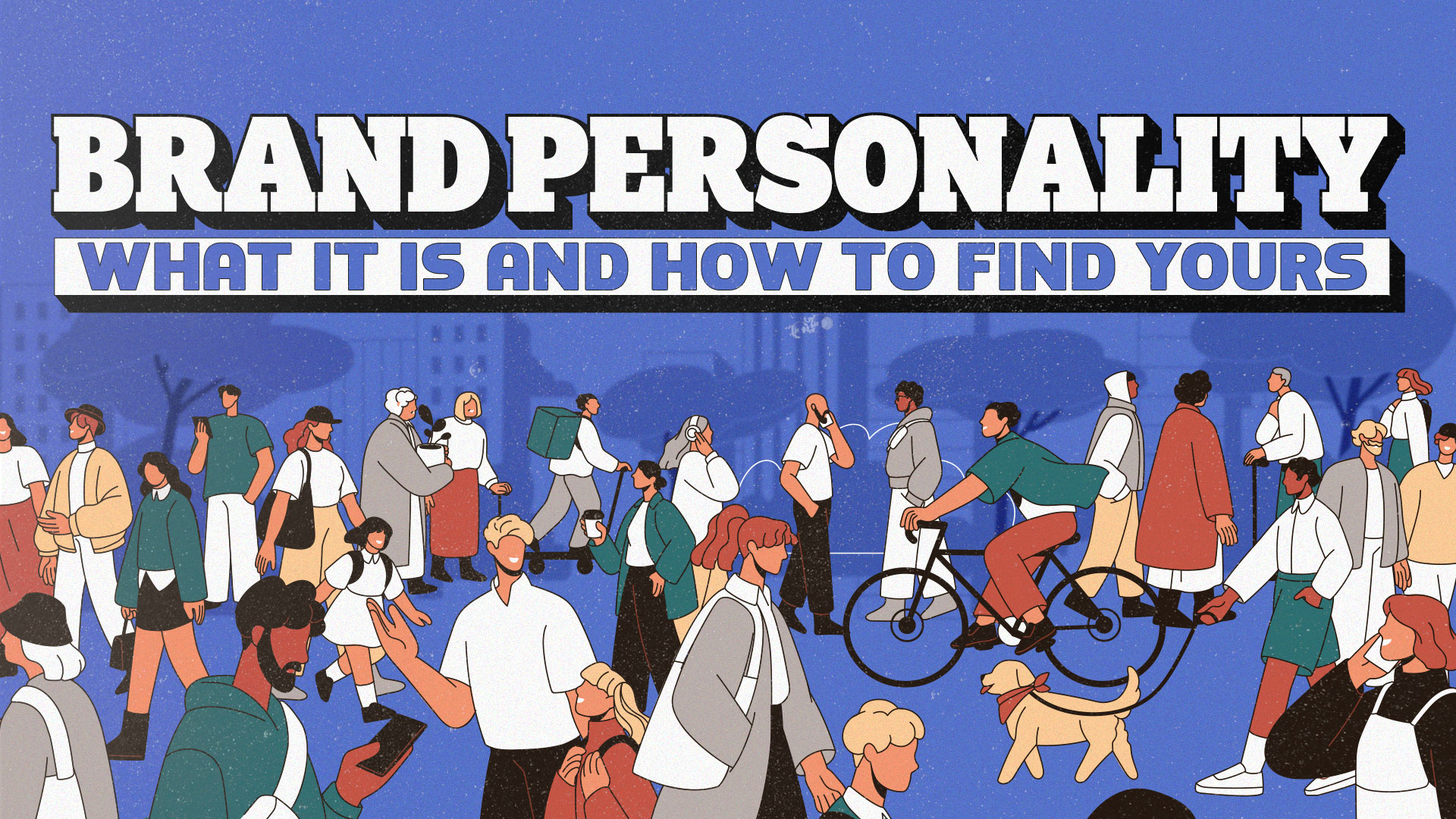
Brand Personality: What It Is and How to Find Yours
A successful brand has more than unique products or an eye-catching logo design.
They have personality.
Great brand personality examples include popular brands like Chanel, Nike, or Dove. Chanel is sophisticated and refined, Nike is athletic and driven, while Dove is sincere and caring.
Having a distinct brand personality like these can help you be more relatable and “human” to your customers.
But just how do you build one for your brand? In this article, we’ll dive deeper into what brand personality is, why it matters, and how to craft your own.
What Is Brand Personality?
Brand personality is the set of human traits that are attributed to brands.
Think of it like people you know. Each of them has a distinct trait that you associate with them. You may have a friend who is playful and likes to joke around, a knowledgeable and reliable coworker, or a sibling who is warm and nurturing.
The same goes for brands. Great and innovative brands develop brand personalities like these to make them more distinct and memorable to their customers.
And you know how you associate a particular style, look, or way of speaking with a specific personality? For instance, glasses are seen as smart, while speaking in a soft and elegant cadence is seen as sophisticated.
The same applies to brands. Their logo design, how their marketing visuals look, their color palette, how they write their social media captions, and their brand mission. All of these build a specific brand personality for them.
And when creating your brand identity, using a professional logo maker can help ensure your visual elements align with and reinforce your desired brand personality from the start.
Why Is Brand Personality Important?
A unique personality can make you stand out from the generic, soulless crowd.
At the same time, customers who resonate with your brand personality will gravitate to you compared to your competitors.
An example is Evian and Liquid Death. Both sell the same thing: canned sparkling water. Yet Evian is marketed as sophisticated and chic, while Liquid Death leans toward an edgy and punk persona.

Evian’s sparkling water is your cool, calm, and collected friend who keeps up on the latest fashion trends, whereas…
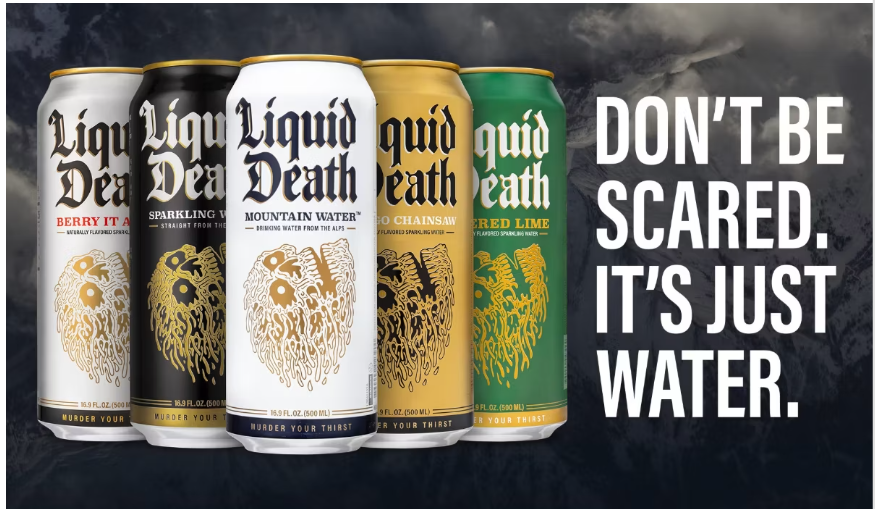
Liquid Death is your biker friend who seems intimidating on the outside, but is just a great, big, ‘ole teddy bear on the inside.
See? Adding these personalities makes them stand out against each other (and from the rows and rows of plain canned water).
Brand personality will also make customers who identify with it gravitate towards it. After all, people prefer buying things they personally find appealing or that align with their style. Even something as simple as having a punk-inspired bottle design compared to a plain one might be the deciding factor between a customer picking your brand over the competitor’s!
Having a brand personality also makes it easier for customers to form connections and attachments to your brand. This is because your brand feels “human” instead of just another faceless corporation.
This connection eventually drives your brand’s growth and sales. Studies show that 76% of customers say they would buy from a brand they feel connected to over a competitor, while 57% say they are more likely to increase how much they spend with a brand when they feel connected.
Core Dimensions of Brand Personality

Coming up with your brand personality from scratch may be difficult. Luckily, there is a well-known brand personality framework called the Aaker model that you can use as a guide.
Behavioral scientist Jennifer Aaker created this framework. Aaker posits that brands can be grouped into five main personality dimensions, similar to how people can be grouped via the Big Five / OCEAN personality traits.
These dimensions are sincerity, excitement, competence, sophistication, and ruggedness. Let’s take a deeper look at each of them:
Sincerity

These are the brands that are seen as down-to-earth, honest, and caring.
These can be due to them following ethical or sustainable practices, showing transparency in their operations, or championing brand values or a socially responsible mission.
An example is Dove. Their brand mission is to promote “real beauty.” They employ this by saying no to photoshopping in their marketing materials, championing diversity by having models of various races, ages, and body types, and directing programs to promote a more positive body image.
Dove’s marketing focuses on promoting body positivity through heartfelt and genuine storytelling. To fit this branding, they also adopt a clean, simple, and no-frills visual image.
Main traits: Domestic, honest, genuine, cheerful
Examples of brands: Patagonia, Aerie, Hallmark
Excitement
These brands are perceived as daring, modern, cutting-edge, and fun.
This can be due to their unique products or services. Or they could just have more exciting marketing, either by using colorful logos, unconventional fonts, or out-of-the-box or high-energy concepts.
An example is Red Bull. Their marketing can be described as a pure shot of adrenaline. Rather than simply promoting their products, their ads focus on extreme sports, jaw-dropping stunts, or extreme visual overload to symbolize the energy you’ll get from their drinks.
Tesla is another example. While their marketing is not as high-energy as Red Bull, they still champion excitement with their futuristic marketing campaigns highlighting their innovative high-tech products. Brands like Ray-Ban also embody this dimension through their strong ties to pop culture, music, and film, with custom sunglasses that represent bold self-expression and iconic, trend-driven style, making them a symbol of confidence and individuality.
Main traits: Daring, spirited, imaginative, up-to-date
Examples of brands: GoPro, Nike, Netflix
Competence
These are the brands that are known to be reliable, responsible, and efficient.
These brands have proven the quality and performance of their products. These can also be those that are seen as the expert or authority in their industry.
An example is Toyota, which is known for its dependable cars that last for years. Another is Microsoft, which is seen as a pioneer in software and cloud solutions.
A competent brand personality is commonly seen in the tech, financial, or healthcare industry, where having a reliable and high-quality brand reputation is important.
Main traits: Reliable, responsible, dependable, efficient
Examples of brands: IBM, LG, Intel
Sophistication

Brands under this dimension are known for being glamorous, upper‑class, and elegant.
These brands tend to be a status symbol. Some examples are Rolex, Chanel, and Gucci, all known for their sophistication and exclusivity.
A sophisticated brand personality is typically associated with luxury brands, fashion houses, or cosmetic lines. However, other industries can also tap into this branding by going for a more refined aesthetic.
An example is Apple. While they are foremost a tech company, they are seen more as a premium item or a status symbol for people with their marketing.
Even airlines like Emirates Airline or alcoholic beverages like Moët & Chandon are marketed as sophisticated brands.
Main traits: Glamorous, charming, romantic
Examples of brands: Dior, Tom Ford, Tiffany & Co
Ruggedness

These brands are seen as masculine, tough, or outdoorsy.
Some brands in this dimension are seen as such because their products are marketed as reliable and durable even in the outdoors or extreme scenarios. Some brands are here because they appeal to people who like to take risks, fight against the norms, or lead extraordinary lives.
An example is Harley-Davidson. Their marketing highlights independence, rebellion, and extreme adventures.
Another is The North Face. This brand features durable and practical gear that is perfect for adventures and exploration in the great outdoors.
Levi’s, while not exactly an outdoor gear brand, also falls into this category, as its jeans are marketed as tough and durable products that can last for years.
Main traits: Tough, strong, outdoorsy, rugged
Examples of brands: Marlboro, Land Rover, Gibson Guitars
How To Create Your Brand Personality
Follow these steps to build your brand personality:
Analyze your brand
Your brand personality should reflect your brand’s core values and essence. Ask yourself the following questions:
- What makes your brand you?
- Why did you start your brand?
- What is your goal and mission?
- Who are your competitors, and what edge do you have over them?
- What specific problems in the market are you solving?
Do audience research
Your brand personality should also resonate with your target audience. Conduct market and audience research to get insights like:
- Demographics – age, gender, location, education, income
- Psychographics – goals, pain points, interests, hobbies, lifestyle, beliefs
- Customer behavior – buying pattern, content consumption, social media usage, brand preferences, customer journey
Choose your core traits
Start by listing down adjectives or words that best describe your brand.
No need to be refined yet! Just list down all the words that come to mind. From there, you should be able to spot words related to each other or those that repeat. For instance, words like nice, caring, nurturing, motherly, or friendly should tell you that you are in the Sincere brand dimension.
You can also use other methods, such as personality scales, take personality quizzes with your brand “answering” them, or refer to frameworks like brand archetypes.
Define your brand voice and brand identity
Once you choose your personality, it’s time to embody it!
How? Think of your brand as a person again. How will they talk, walk, or dress up?
This should help you define your brand voice, aka the tone, language, or writing style that your brand will use. Assertive and professional language is more fitting for Competent brands, while Sincere brands are more aligned with a casual, relaxed, and friendly tone.
Next is your brand identity. These are your brand visuals, such as your logo, color palette, typography, or imagery, that can help you form a specific brand image.
For example, a black-and-white color palette paired with an elegant cursive logo can really create a sophisticated image. Blue logos are typically associated with security and reliability, so they are a good match for those aiming for a competent image.
Test and refine
Before launching your personality to the world, you can test it first with a small group of people and run focus groups, surveys, discussions, or A/B tests. This should help you gather feedback or insights and see if any changes need to be made.
And yes, you should continue to monitor and refine your brand personality even after you launch it. Routinely check your customer reviews, engagement metrics, or brand perception.
Make sure to also keep an eye out for any market trends, economic changes, new competitors, or negative press that may affect your brand and spark the need for a major rebranding.
Conclusion
Brands that become successful aren’t those plain-janes, generic ones. It’s the brands that are oozing with personality that stand out.
Of course, building a brand personality is not simple. But if you follow Aaker’s model as detailed above, you’ll have a good starting point.
Once you have your brand personality, your next challenge is to be consistent with it. You’ll need to live and breathe your brand personality through your logos, visuals, commercial storylines, or brand voice.
Need help creating cohesive and on-brand materials? We’ve got you. Visit our Facebook cover maker, video maker, or AI poster generator now to get beautiful, customizable templates suitable for various industries.
FAQs on Brand Personality
1. What’s the difference between brand personality and brand identity?
Brand personality is the set of human traits that your brand embodies. Brand identity, on the other hand, is the combination of visual and tangible elements like logo, color palette, or typography that help your brand form a specific image.
2. How do I choose which Aaker dimension fits my brand best?
Start by evaluating your brand’s mission, values, and market positioning. Then consider your audience’s expectations or perceptions about you. The trait that best aligns with both should be your brand personality.
3. Can a brand have multiple personalities?
Yes, so long as the personalities are complementary and not contradicting. For example, Patagonia can be both sincere and rugged. Apple can be both competent and sophisticated.
4. How often should I revise my brand personality?
You should ideally review annually and during major brand shifts or changes. Still, your core personality should remain the same unless you completely rebrand. There should only be minor adjustments to tone or visuals to align with new trends or changing market needs.
5. What if customer perception differs from intended personality?
This means you need to recalibrate. Run surveys, focus groups, and brand audits to identify the gap. Then adjust your marketing messaging and visuals accordingly to better align perception with intent.
Faviola Publico is an SEO Content Writer specializing in branding and digital marketing strategies. Outside of work, she enjoys reading slice-of-life novels and watching any mystery thriller-themed series.
Original Artwork by Khim John Blazo