10 Branding Assets Every Startup Needs (And Where to Get Them Fast)
Fifty million startups are launched every year. That means on average, 137,000 startups are launched every day.
The market is indeed getting crowded and ultra-competitive. It’s no longer enough to have a great product. You need to have that “it” factor, a distinct identity that will make customers choose you over the rest.
That’s where your branding assets come in. Your assets (e.g., logo, color palette, website, brand voice, and more) will help you build a unique and appealing branding identity.
Today, we’ll walk you through the essential branding assets every startup needs and where you can quickly get them, even on a lean budget. We’ll also share some tips on how our branding tools, like logo maker and AI logo generator can help you create all the assets you’ll ever need, so keep an eye on that as well!
Why Branding Assets Matter in 2025
Branding isn’t just about looking good. It’s all about creating a clear brand identity for your startup, one that your audience will emotionally resonate with.
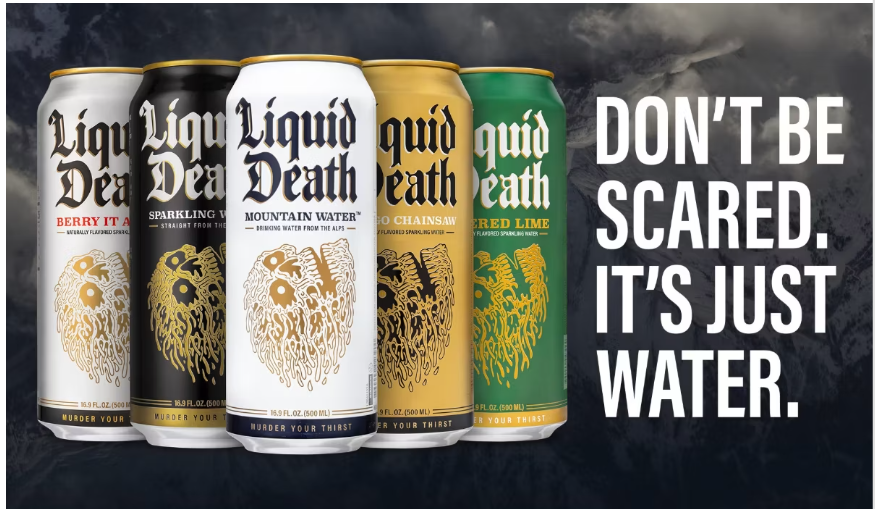
Your brand identity can also set you apart from others that have similar ideas. An example is Liquid Death. Their heavy punk image and gothic packaging makes their water stand out in a sea of plain bottled ones.
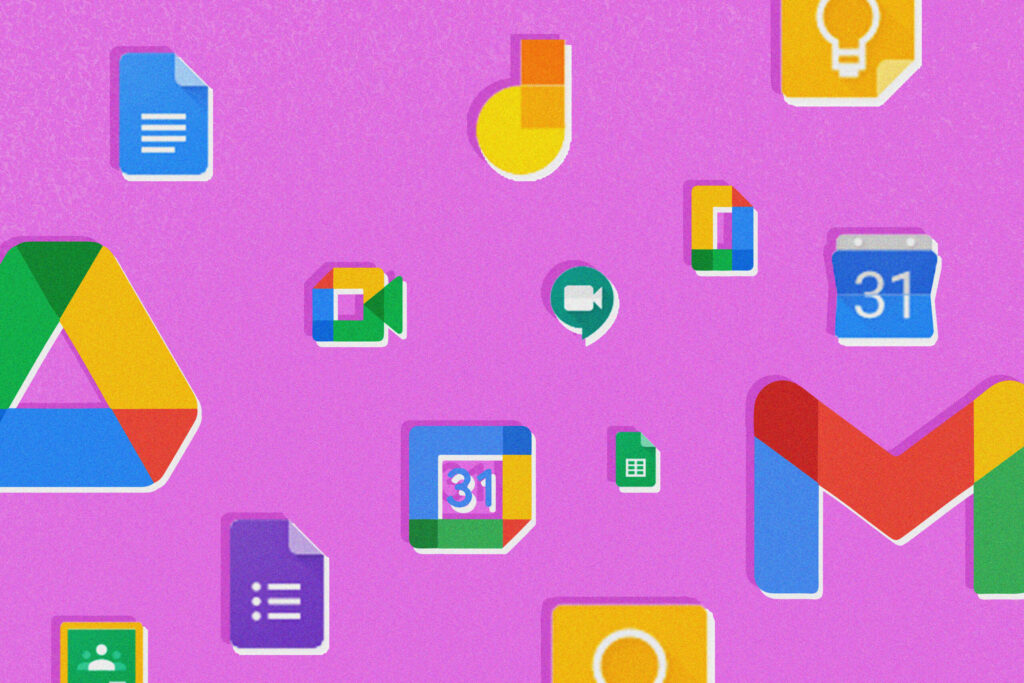
Brand consistency can also help build brand recognition and recall. You know how you can recognize Google’s color scheme anywhere? It’s because they use the same color palette on all their apps. Eventually, the color becomes so recognizable and heavily associated with their brand identity.
More and more startups are also relying on AI for content and marketing. Having a distinct and well-defined brand identity ensures that the AI’s output will remain on-brand all the time.
Your brand assets are what build this startup brand identity. How your logo looks, your color choices, and how you write your captions – all these things will help you form a brand identity. That’s why the importance of your brand assets is insurmountable.
The 10 Essential Branding Assets
1. Logo
Your logo serves as the face of your startup. Look at Starbucks or Apple — you’ll instantly know that a product comes from them just from seeing their logo, right?
Your logo should not only be visually appealing but also express your brand’s identity and purpose. Whether you want to look cute, friendly, bold, luxurious, or corporate, your logo needs to be able to convey that.
It should also be versatile enough to fit different platforms, since your logo will be plastered everywhere. It needs to look good even if it’s scaled down into a tiny favicon or expanded for your office signage.
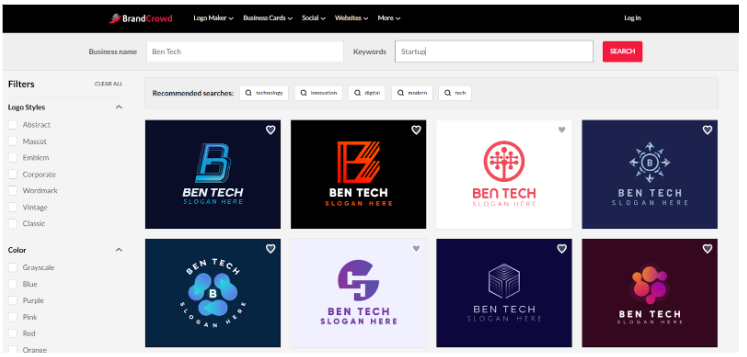
Looking for a fast logo maker to create your startup logo? Check out our logo maker tools here in BrandCrowd or over at Design.com. You’ll find templates in various logo styles that can work for different industries. Once you find a design you like, just click it to customize, then download once you’re done. It’s that simple!
Check out these samples:
Modern Abstract Leaf by BrandCrowd
Metallic Hexagon Lettermark by BrandCrowd
Building Apartment Realtor by Design.com
Thermal Cooling Heating by BrandCrowd
Camping Gear Mascot by Design.com
Monogram Letter DC by Design.com
Colorful Modern Abstract by BrandCrowd

Metropolis City Building by Design.com
Toxic Gaming Skull by BrandCrowd
2. Color palette
Colors do more than just make your brand look pretty.
They drive brand recognition and recall. In fact, 81% of customers are more likely to recall the brand’s color rather than the brand’s name!
Colors also dictate how people will perceive your brand. For example, green is associated with sustainability and eco-friendliness, while pink is linked to femininity and kindness. Black, when paired with metallic colors like silver or gold, oozes luxury, while pairing it with bolder neon colors like orange or lime green can look urban and hip.
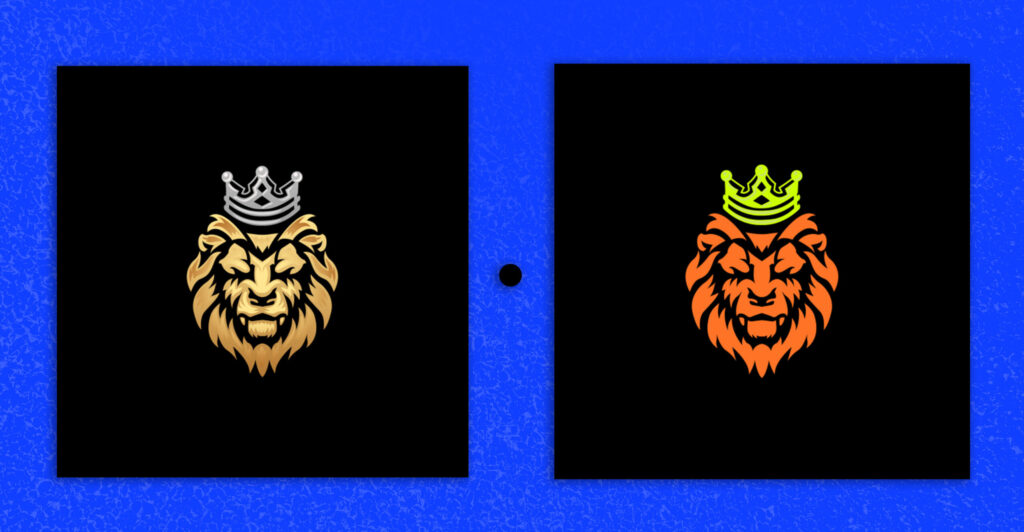
Choosing the right color palette can help build the brand identity that you are aiming for. It also helps you connect to your customers, even down to a subconscious level.
If you don’t know where to start, you can use color palette generators like Coolors and Adobe Color. These tools can help you generate colors based on your industry, vibe, or the latest trends.
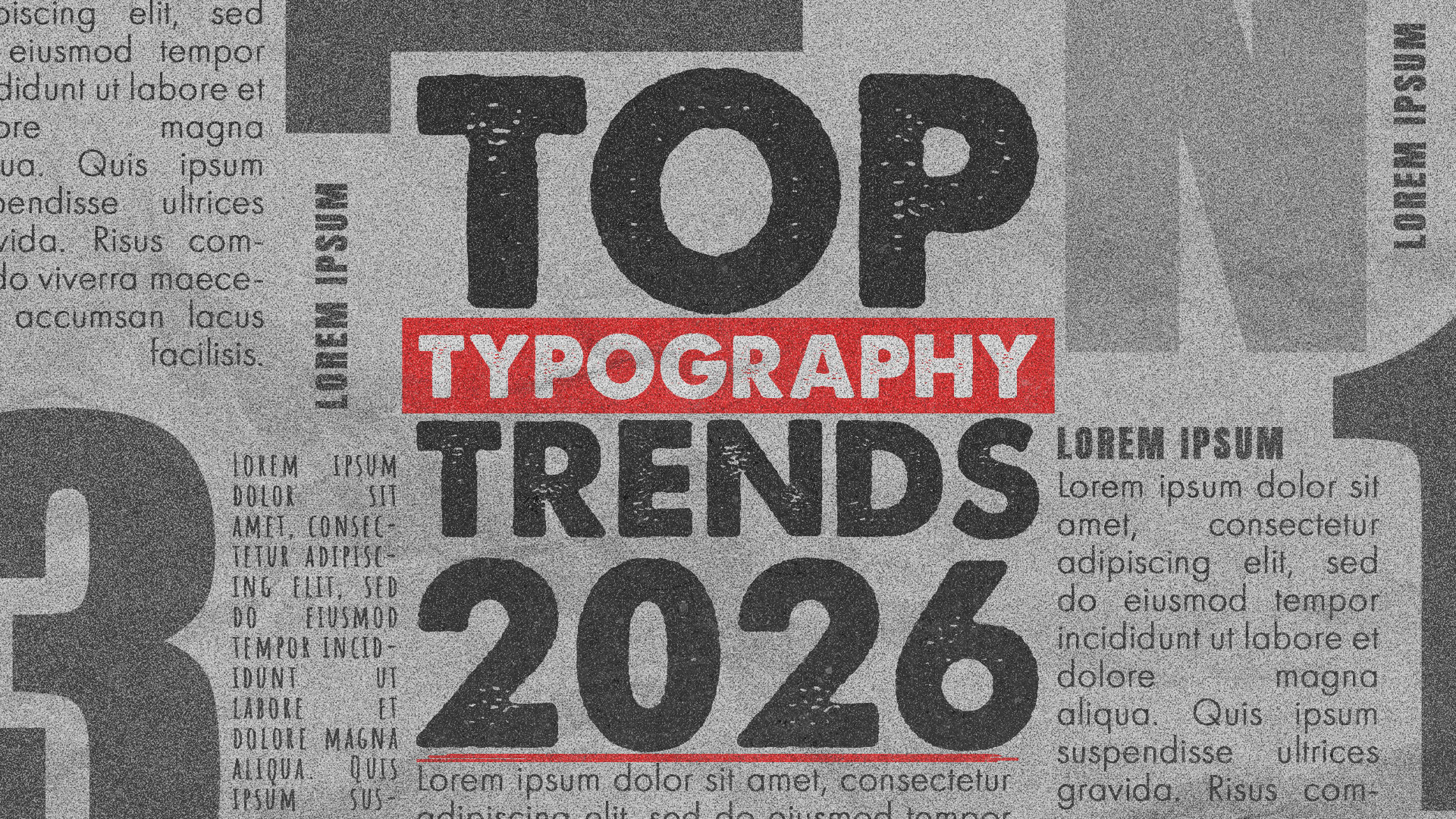
3. Typography
Typography, just like your color palette, can help convey your startup’s personality and identity.
A sans-serif font can help project an approachable, modern, or minimalist image. They are mainly used by businesses that focus on their online presence since sans-serif fonts are extremely readable on digital screens.
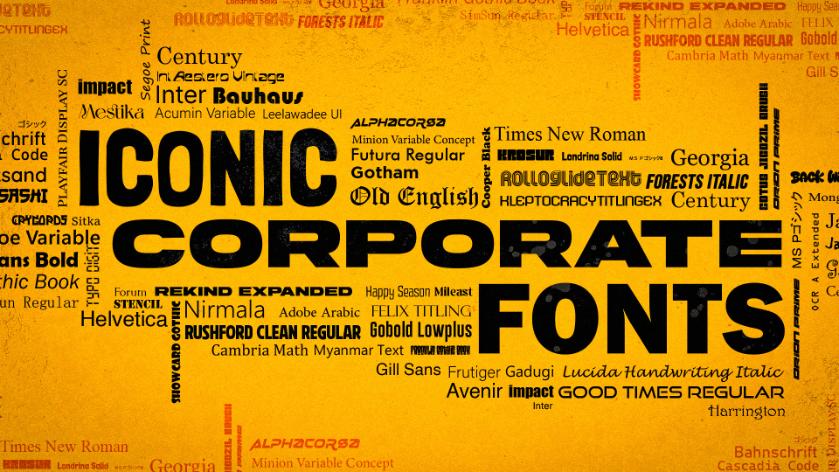
Meanwhile, a serif font like Times New Roman or Garamond can look traditional and formal. They are a better fit for those in the law, financial, corporate, or academic industries.
Artistic fonts are for those who want to add a special character to their brands. For instance, a handwritten logo is suitable for organic or eco-friendly brands, while a Y2K-inspired typeface is perfect for more creative or fashion-forward brands.
How do you find the right typography for your startup? You can look into Google Fonts for a selection of web-safe fonts. You can also go to Adobe Fonts, MyFonts, or Fontspring for free and paid font options.
If you’re looking for creative ways to arrange or style your chosen fonts (or maybe if you’re thinking of designing your own!) you can look for inspiration in sites like I Love Typography, Typewolf, and Fonts In Use.
4. Brand name and tagline
Your brand name is another identifier for your startups. Plus, it sets you apart from others. Can you imagine if Nike were just called “Running Shoes?”
A strong brand name is easy to remember. Don’t use names that are too complicated to spell or say. Think of popular brands like Target, Pepsi, or Taco Bell. Short and simple, right?
If you’re stuck with creating a creative name, you can use our business name generator tool. You can set the tool to give you names depending on your preferred style or length. The tool can also give you a name based on your logo, so you’ll be sure the results are consistent with your branding.
Last, consider your startup tagline. It should be a short and catchy summary of your startup’s mission. Some iconic examples are “Just Do It” and “Think Different.” We bet you knew which brands these are from, even if we didn’t say it!
Done with these two? We then recommend that you trademark them (and your logo), especially if you are planning to scale your startup even further.
But if you want to test the waters first, you should register your brand name as a domain name to ensure that you can use it on your website and email addresses.
You can use GoDaddy, Namecheap, or Porkbun for this. Design.com’s AI-powered domain name generator can also show you which ones are still available (and maybe even inspire you to come up with a catchier name!).
5. Brand voice
Your brand voice is how you “speak” to your audience. This is built by your writing style, tone, syntax, jargon, or slang that you may use.
Let’s take a look at some popular brands. Dove has a warm and uplifting brand voice. Adidas uses an inspirational and confident one. Tiffany & Co. uses an elegant and chic tone.
Meanwhile, Duolingo’s witty and sarcastic voice is unconventional, but it complements its humorous image on its social media accounts.
The brand voice you’ll use should resonate with your brand identity and your audience. Need help coming up with one? Check out this guide on How To Develop A Unique And Consistent Brand Voice.
6. Website
Your website is your office in the digital world. It must look good, function seamlessly, and contain all the information your customers need.
Your site doesn’t need to be elaborate, filled with multiple pages or complex animations. Good website development firms know how to prioritize user experience, meaning customers can easily navigate the site and find what they need.
Platforms like Squarespace, Weebly, Replit, Wix, or other AI MVP development tools can help you create websites without any coding.Simply choose a design from their template library and customize it as you see fit.
You can also use tools like AI website generators to help you build one based on a simple description of your business.
For instance, here are some templates you can work with if you’re a pastry shop owner:
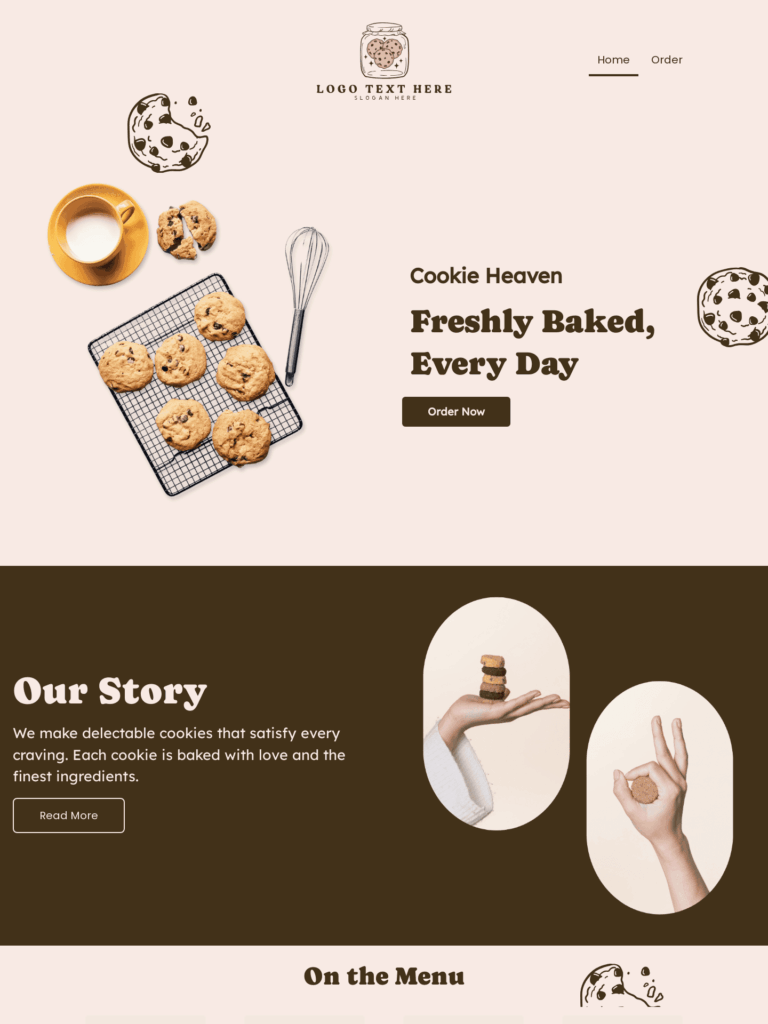
Cookie Bakery Shop by Design.com
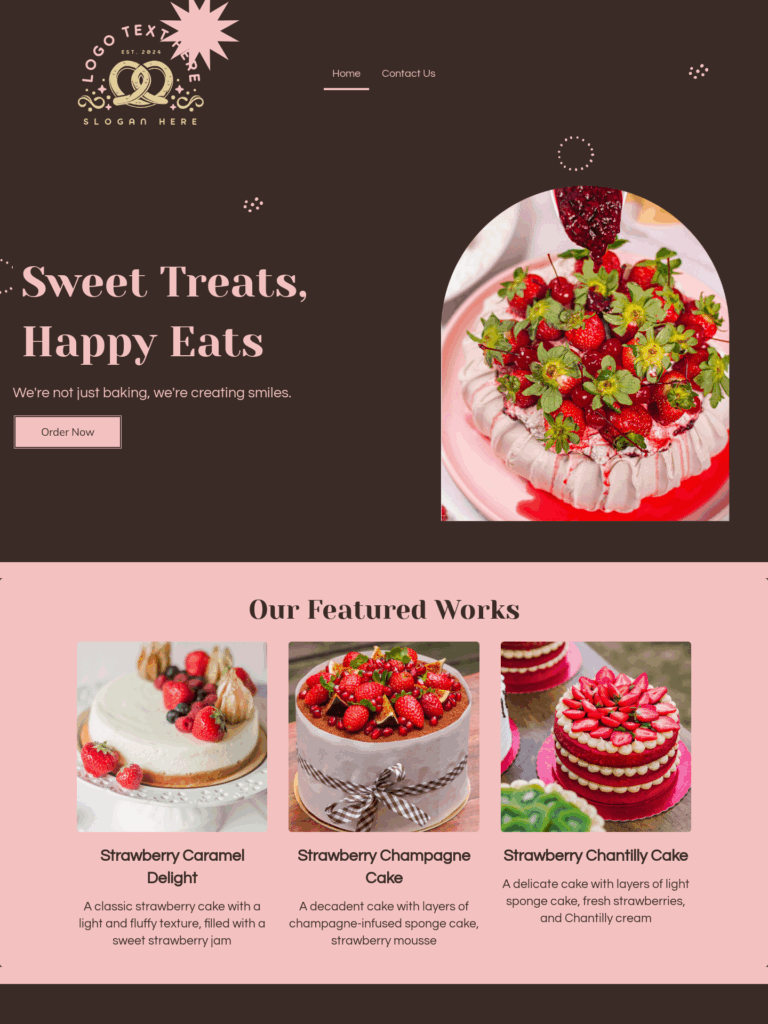
Sweet Cake Baker by Design.com
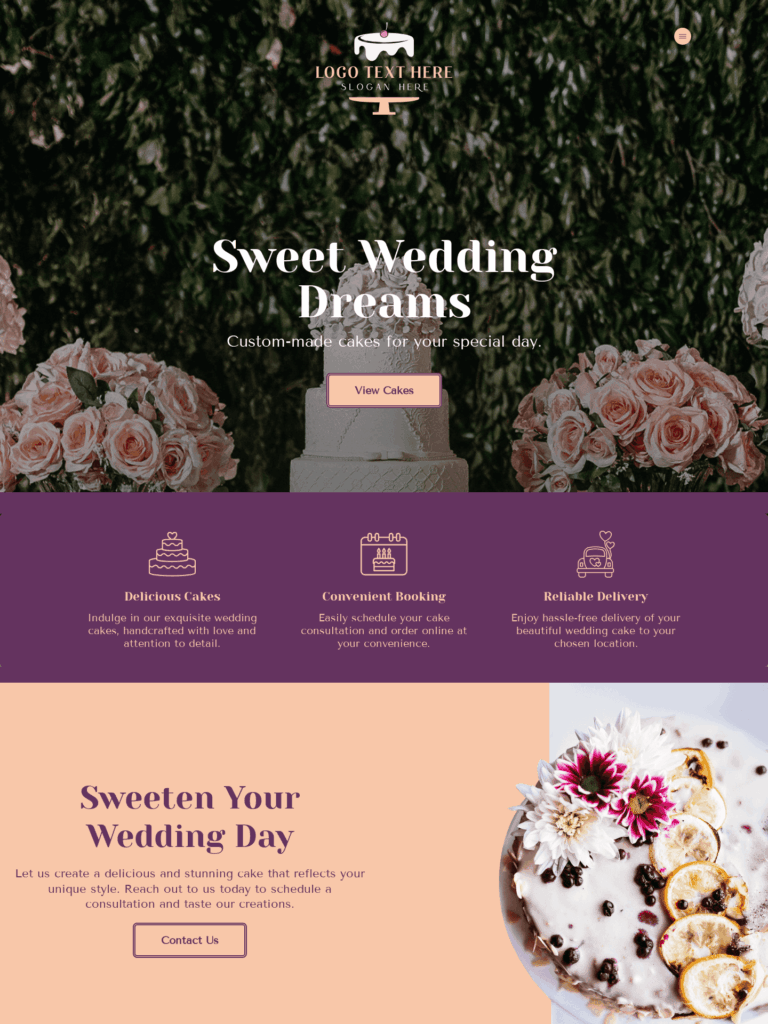
Wedding Cake Shop by Design.com
7. Social media branding assets
It’s crucial for your social media profile to always be on brand, as that’s where people can discover your startup or where customers can contact you.
Some key assets you’ll need are:
- Profile photo, which is usually your startup logo
- Banner or header photo
- Bio, which should use your brand voice
- Post templates, so that you can quickly make posts that are aligned with your branding
Need help with these? We have tools to help you create your profile icons, from your Instagram profile photo to YouTube channel icons. We also have templates for your banners, whether you need one for Facebook, Twitter, LinkedIn, or more.
We also have post templates like Facebook Ad maker or Instagram Reel maker. These can be generated with your logo design in mind, so the templates already have your branding applied. So quick and easy!
8. Imagery and photography
Whether you’re listing a product on your e-commerce site or running an ad, you’ll need visuals. And no, stock photos won’t cut it.
Instead, invest time in a small branded photoshoot. You don’t need to rent a studio or buy the latest camera. Even shooting on your phone will do.
Make sure to take photos of your products in essential shots, such as white background shots, lifestyle images, close-up shots, group shots, and packaging shots. These are the shots you need at a minimum to showcase your product effectively.
Other photos you’ll need are:
- Headshots, which are professional shots of you and your team
- Lifestyle shots which are photos that emulate the vibe or image of your startup. These are to be used for your marketing or ads
- Storefront / Office Shots, especially if you have a physical location
- Behind-the-scenes shots of your team working or how your product is created. These are great for explainer videos or storytelling videos.
Photos and videos can be easily edited through AI tools like Luminar Neo and Descript. If you truly want to stick to stock photos, you can use Pexels and Unsplash for free, but high-quality ones come at a premium price.
What if you prefer illustrations rather than photographs? That is a good option as well. You can use design softwares like Procreate, Krita, and Clip Studio. You can also use AI image generators like Midjourney, DALL-E, and Microsoft Designer.
9. Business cards
Business cards still matter even in this digital-first world. Having one on hand when you’re networking or attending events makes you look professional and prepared, plus makes it easy for you to share your information.
You don’t even need to stick to traditional paper cards. You can use digital business cards that have scannable QR codes that can be linked to your website, social media, or pitch decks.
Check out some examples below:
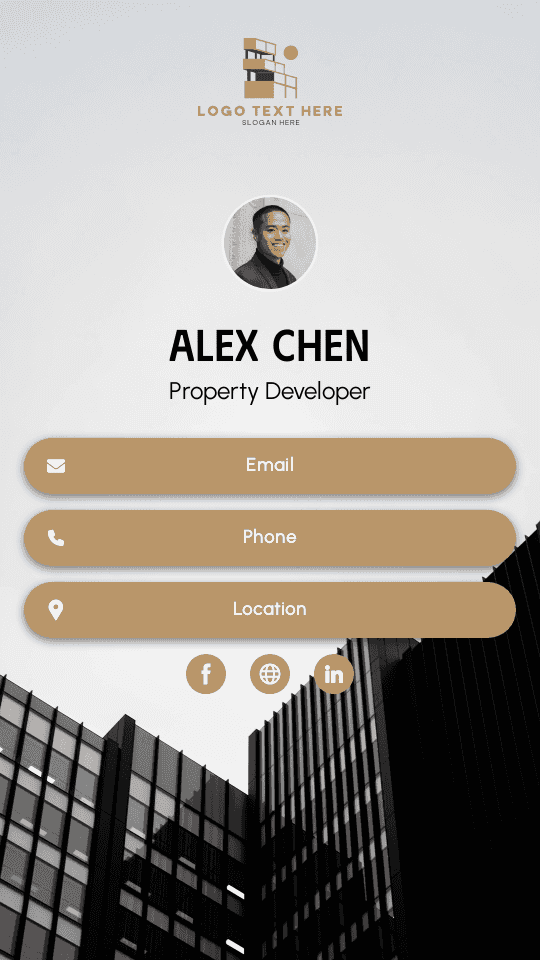
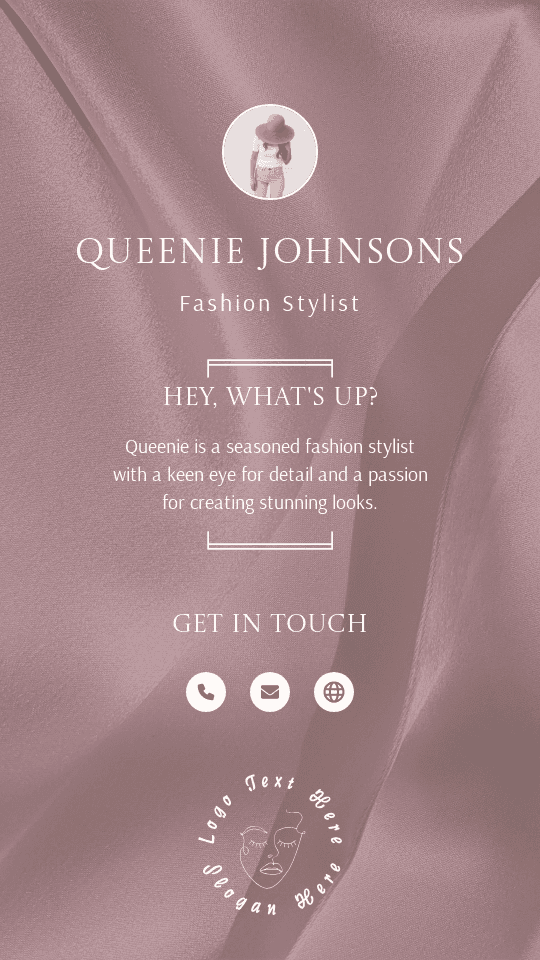
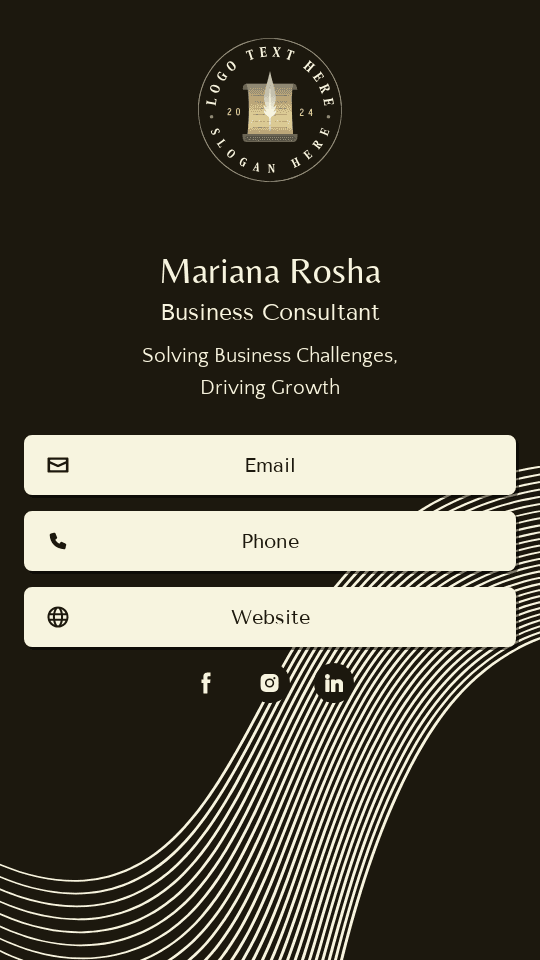
Whether you use a physical or digital card, make sure the card is designed with your brand’s visual identity in mind. Add your name, contact info, and ideally a CTA to subtly nudge them to contact you (ex, “Let’s Talk” or “Contact me for a custom solution”).
10. Marketing collateral
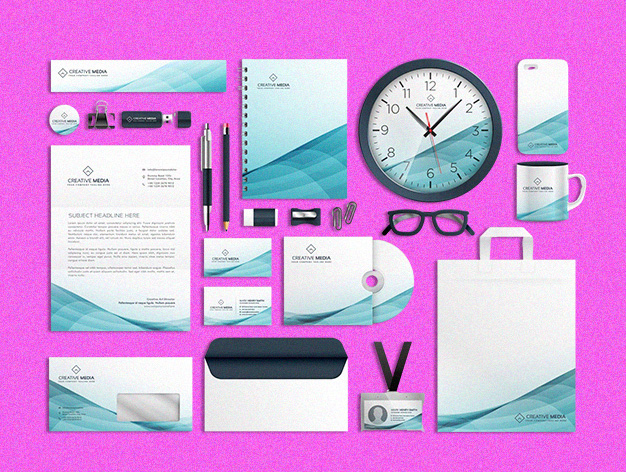
Different startups will need different types of marketing collateral. Depending on your business, you might need:
- Pitch decks or presentation templates
- Digital Catalogs
- Product mockups
- Brochures, posters, or flyers
- Onboarding documents
- Branded invoices and receipts
- Ebooks or whitepapers
- Company shirt / Uniform
And so on.
All these collaterals need to follow your visual branding. Make sure they have your logo, color palette, typography, etc., so they will remain cohesive with your other assets. If you don’t have the time or resources to design them yourself, consider outsourcing to professionals who offer marketing collateral services. They can help ensure every piece of material you share with clients or investors is polished, on-brand, and impactful.
Where do you create these collaterals? Some tools you can use are Figma, VentureKit, and Sticker Mule. Software like Google Slides, QuickBooks, and Kotobee also allows you to add your custom branding to the materials you are designing.
How to Get Assets Quickly (…and Affordably)
Looking for an all-in-one solution? Here’s a quick cheat sheet on the top fast and budget-friendly methods:
DIY with no-code tools or AI
Platforms like BrandCrowd and Design.com offer customizable templates for any assets you may need, such as a logo, YouTube banner, Instagram Stories, website, flyer, etc. Just choose from the available templates and edit the design as you see fit. These templates are done by both human designers and AI, so you have the option.
Crowdsourcing/freelance
Don’t have the time or skills to DIY? You can also use sites like DesignCrowd, Upwork, or Fiverr to find skilled designers at a low cost.
Startup branding services
Want a more professional touch? You can look into agencies or branding companies. However, these will be more costly than the other options. The pros, though, are that they can offer help even in the non-visual parts, such as your brand voice or tagline.
How To Organize Your Brand Assets
Now that you have your assets, it’s time to make sure they’re properly organized and easy to access.
You don’t want them lost in outdated folders or email threads. Nor waste time hunting for the right file as you search across different cloud storage. Ideally, you have a structured system in place to document, store, and manage them.
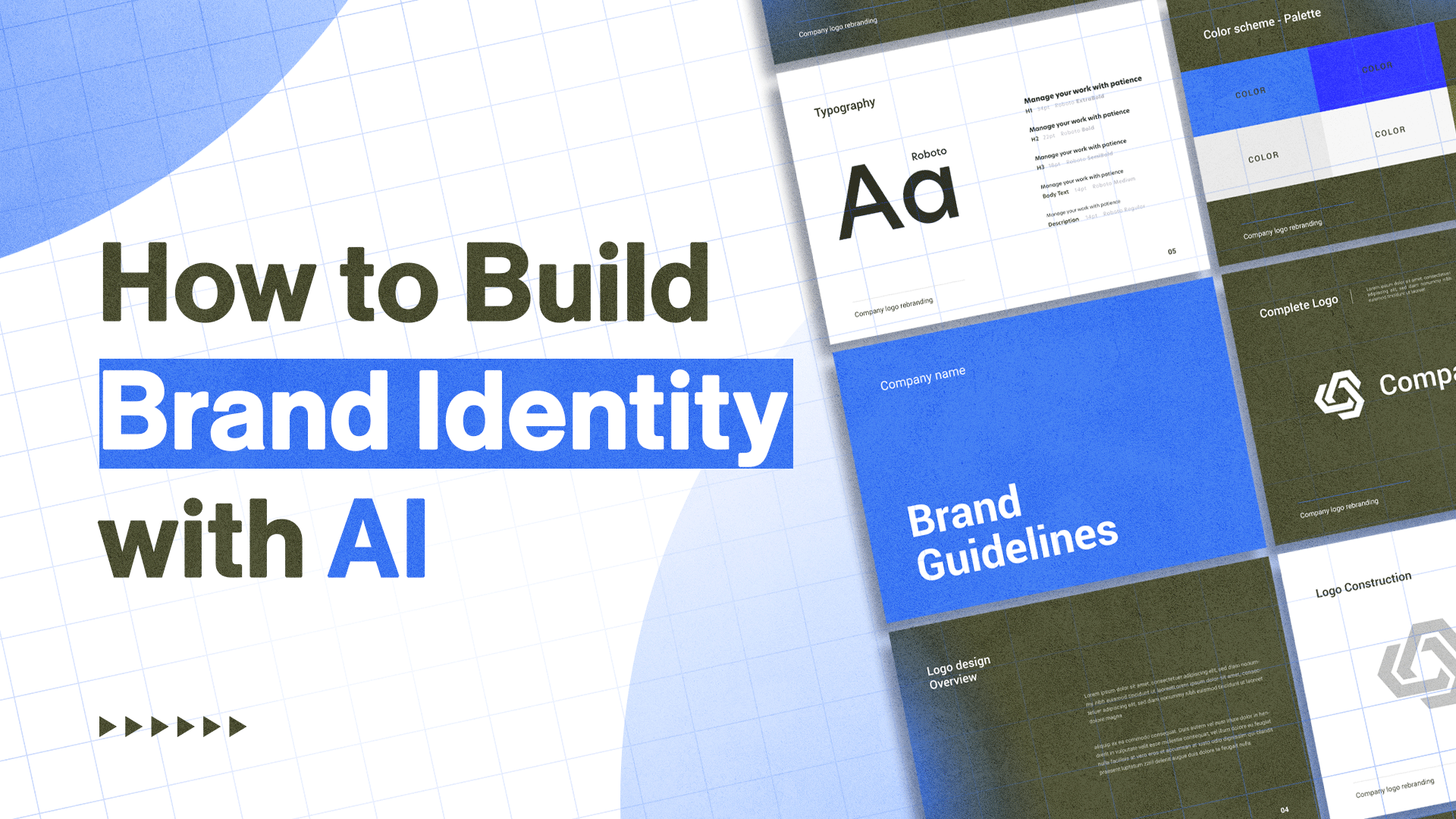
Start with a brand style guide or brand bible. It’s a rulebook that contains guidelines on how your brand assets should be presented or used. This includes the right HEX code of your color palette, the proper contrast ratio for your logo on a background, the acceptable jargon to use, and so on.
Then make sure you have a brand asset management (BAM) system in place. It’s essentially a safe, secure, and accessible storage space where you put all your brand assets. Unlike other file storage, your BAM system should only have the latest versions of your assets. This ensures consistency and avoids errors of using an old file for your campaigns.
Your BAM system can be a cloud storage like Google Drive or Dropbox, or a dedicated BAM software like Brandy or Bynder.
Conclusion
There you have it! Those are the essential startup branding assets that you will need. These assets won’t only make your startup look good–it will also help you convey your message, build brand recognition, and foster trust with your customers.
We know the list above looks so long and scary. There’s so much to do! But the good news is that you don’t need years or a six-figure budget to create them. Check out the tools and platforms we listed. With them, you too can build your brand fast and easy (and more importantly, affordable!)
Read more about branding here:
- How Visual Branding Directly Impacts Your Sales
- Traditional vs Digital Business Cards: A Branding and Design Perspective
- How To Use the Pantone Color of the Year 2025 in Your Branding
FAQs on Branding Assets
Q1. What are branding assets?
Branding assets are elements that contribute to the overall brand identity or image of a business. These include visual (logo, colors), verbal (brand voice, tagline) or digital (website, social media templates).
Q2. How many assets does a startup need?
A startup needs at a minimum a logo, color palette, typography, website, social media, and imagery. These are the absolute basics you’ll need to build an appealing, recognizable, and professional brand identity. Beyond that, you can add pitch decks, business cards, email signatures, or other collateral you may need, depending on your business.
Q3. Can I DIY a brand on a budget?
Yes! There are many free or low-cost DIY tool makers available. You can use those to create assets such as logos, websites, flyers, and more. There are also AI‑powered tools such as background removers, video editors, or image generators to make this design process even faster and easier.
Q4. How fast can I assemble these assets?
With AI‑driven tools, you can create key assets in days. If you want to DIY them or use crowdsourced services, it might take a few days or a week.
Q5. Should I invest in a BAM system early?
Absolutely. BAM systems can help you centralize your brand assets and prevent confusion, making it easier for you to scale and onboard new team members.
Faviola Publico is an SEO Content Writer specializing in branding and digital marketing strategies. Outside of work, she enjoys reading slice-of-life novels and watching any mystery thriller-themed series.
Original Artwork by Selwyn Legaspi