Tagline vs. Slogan: Understanding Their Impact on Brand Recognition
Tagline and slogan are terms that get tossed around in the marketing and branding space quite often. But aren’t they the same thing? Not quite. They serve different purposes, and knowing the difference can help you craft better and more strategic messaging.
In this article, we’ll clear up the confusion between tagline vs slogan, plus show how you can use both to boost your brand recognition.
Let’s get started!
What Is a Tagline?
A tagline is a short yet memorable phrase that encapsulates the essence of a brand. It summarizes a brand’s identity, mission, and values in one short phrase without explicitly mentioning the product or service they offer.
Taglines are meant to be used long-term and are used consistently across all marketing materials. Think of them as a written version of your brand logo!
Some iconic taglines are:
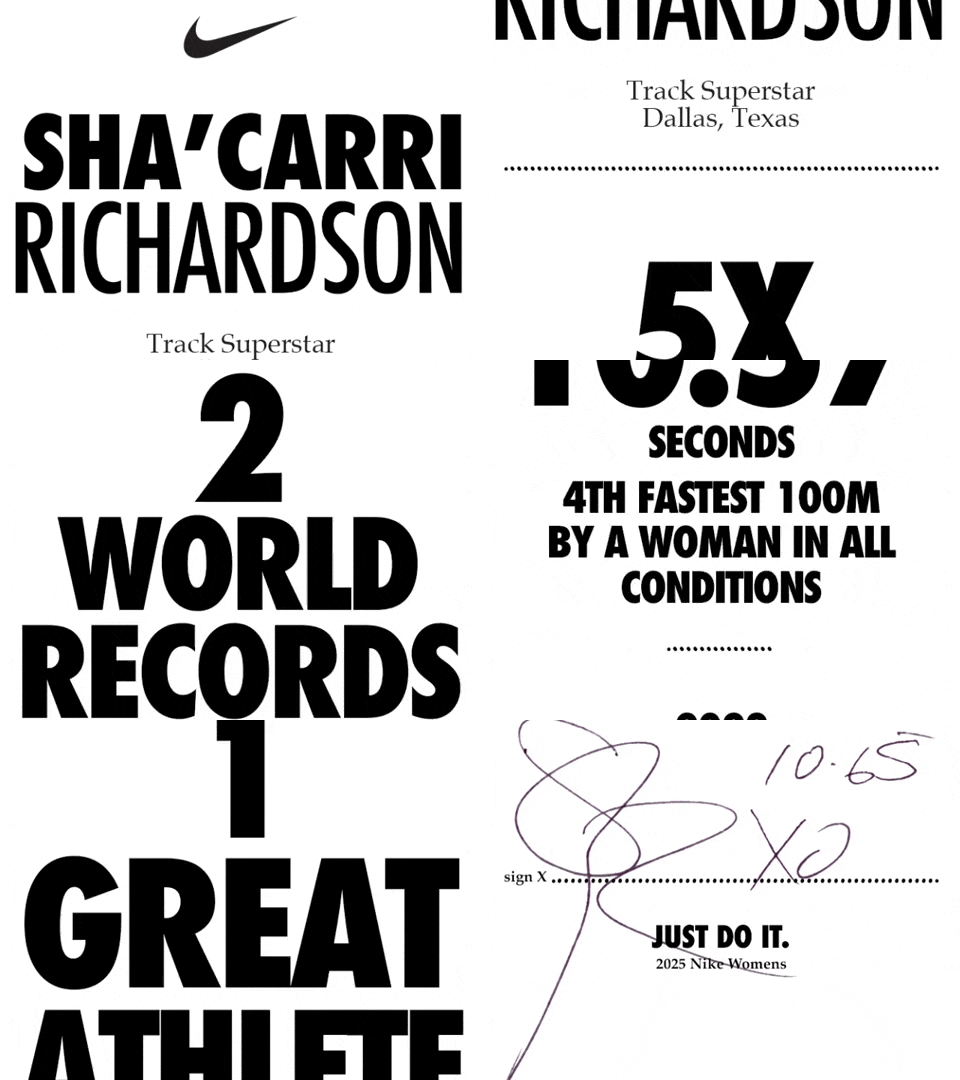
- Nike’s “Just Do It”
- Apple’s “Think Different”
- L’Oréal “Because You’re Worth It”
What Is a Slogan?
A slogan is a catchy phrase that is created for specific advertising campaigns. Unlike taglines that are used everywhere, slogans are just meant to promote a specific product, event, or initiative.
Some examples of slogans are:
- Nike’s “Until We All Win” for their DEI initiatives
- CoverGirl’s “Born To Shine” for their Clean Matte BB product line
- Warner Bros. “Celebrating Every Story” for their 100th anniversary campaign
What Is the Difference Between Tagline vs Slogan?
Taglines tell a story. They’re not selling a product – they’re selling a philosophy, an identity, and a lifestyle.
Slogans are promotional tools. They are designed to create buzz and excitement for a specific product or service.
Let’s take a look at Coca-Cola. Their tagline is “Taste The Feeling,” which encapsulates their brand message that Coke is an experience, not just a beverage.
Coca-Cola then has various slogans for its specific campaigns. Remember their “Share A Coke?” How about “Open Happiness?” Or the “It’s the Real Thing” commercials?
These slogans were only used for a short time and for a specific campaign only. Unlike taglines that are meant to build brand identity, slogans are used to drive people to buy the product or to pique their interest for a specific campaign.
Still confused about the difference? Here’s a table to summarize the difference between tagline vs slogan:

The Role of Taglines in Brand Recognition
Want to level up your branding game? Consider using a tagline for your brand. Some of their benefits are:
Builds brand identity
A tagline is your brand’s essence summed up into a memorable phrase. It helps define who you are, what you stand for, and how you want to be perceived.

Apple uses “Think Different” to position its brand as innovative and forward-thinking. L’Oréal uses “Because You’re Worth It” to champion self-confidence and empowerment.
Enhances memorability
A well-crafted tagline aids in brand recall and brand recognition.

An example is KitKat’s “Have a Break, Have a KitKat.” The message was simple yet powerful – eating a KitKat is your break from a long working day. The catchy phrase, combined with their witty marketing campaigns, was so successful that people associated breaks with KitKat.
Another is Nike’s “Just Do It.” You don’t even need to see their company logo, just by hearing the phrase, you’ll immediately think of Nike.
The Role of Slogans in Brand Recognition
Slogans are another important factor in your branding toolkit. They can help you:
Drive marketing campaigns
A catchy slogan makes a campaign more memorable, increasing its chances of going viral or sticking in the audience’s mind. “Share A Coke” went viral back then and is still popular to this day, even after Coca-Cola has since released multiple campaigns!
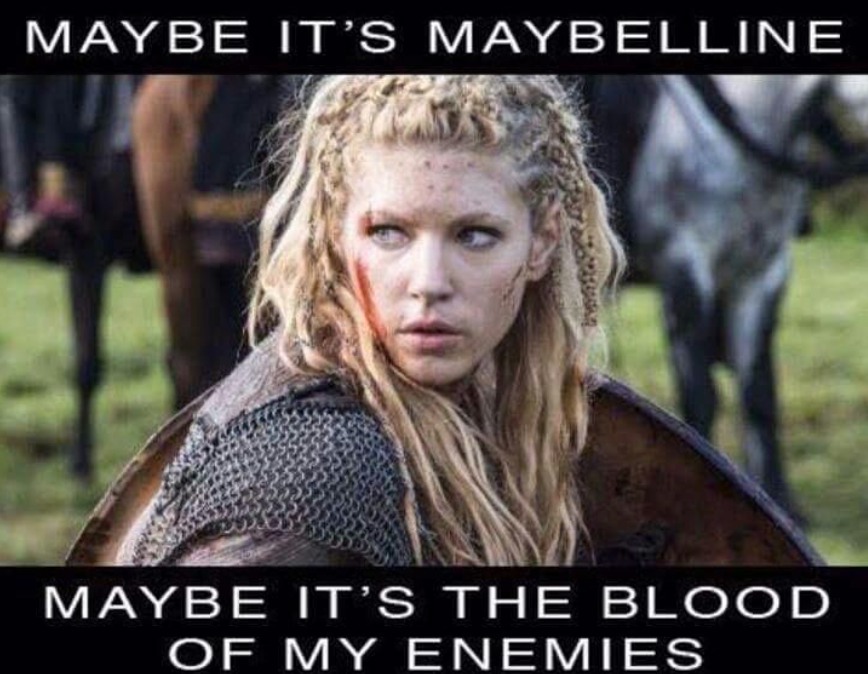
Another is Maybelline’s “Maybe it’s Maybelline” slogan. The phrase has been referenced and memed so much that the brand itself has become so deeply ingrained in people’s minds.
Highlights Unique Selling Points (USP)
Slogans can help you highlight what makes your product or service special. This makes it easier for customers to choose you over competitors and differentiates your brand from the rest.
Some examples are M&M’s “Melts in your mouth, not in your hands” and Papa John’s “Better Ingredients. Better Pizza.”

How To Write a Great Tagline
- Know your brand
A tagline is your brand distilled in short form, so you’ll need to understand who you truly are before you can begin fully.
Know the following:
- Mission – Why do you exist?
- Vision – What future are you helping create?
- Values – What principles guide your actions?
- USP – What makes you different?
- Audience – Who is your ideal customer?
- Brand identity – What “personality” can people associate with your brand?
- Brand voice – What is the tone or language of how your brand “speaks” to the world?
This should help you find the right words or phrases to create your tagline.
- Keep it short and simple
A tagline should be no more than eight words. The shorter it is, the easier it is to remember.
Keep it simple as well. Use plain language and avoid jargon. You want your tagline to be understandable even for people unfamiliar with your brand or industry.
- Go for timeless
A tagline is meant to be used by your brand for many years. Don’t use slang or trendy catchphrases that will date your brand.
Focus on themes that are evergreen, like empowerment, innovation, or trust.
- Tap into people’s emotions
Taglines don’t describe what your product is. Instead, they describe how you feel after using your product.
That’s why the best taglines evoke emotion. Whether it’s confidence, happiness, security, or inspiration, try to find a phrase that can emotionally resonate with your audience.

How To Create an Effective Slogan
- Know your goal
An effective slogan is one that is aligned with your campaign goals.
Ask yourself:
- Are you launching a new product?
- Promoting a seasonal offer?
- Highlighting a feature?
Your slogan should reflect the immediate goal of your campaign. If you’re stuck during brainstorming, an AI Slogan Generator can help quickly generate campaign-aligned ideas tailored to your product or message.
- Focus on a single message
Promoting every good thing about your brand is tempting, but resist the temptation! It’s best to focus on one message at a time. This will help your audience understand and remember your message.
Let’s take a look at Burger King. The slogan “Have It Your Way” was created to highlight the customization options for burgers and other meals. They decided to focus on one thing, instead of also mentioning their affordable price or quick service.
- Make it catchy
Slogans can be more playful than your taglines, so feel free to have more fun with them. Use different techniques like rhyming or alliteration to make it more creative.
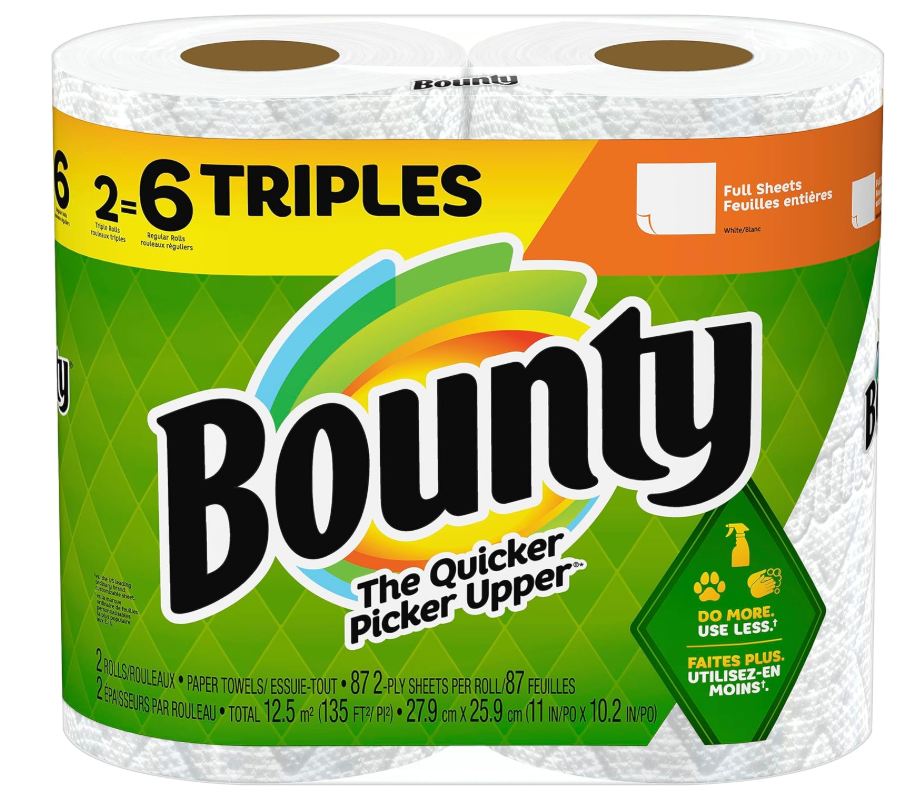
The more fun your slogan is to read out loud, the more memorable it will be. This is why KFC’s “Finger Lickin’ Good” and Bounty’s “The Quicker Picker Upper” work so well.
- Match it with your brand
Slogans may only be used for a specific campaign, but that doesn’t mean they should just be any random catchy phrase. It should be something that is still aligned with your overall brand identity and one that will resonate with your audience.
Think about your brand voice. Are you playful and witty? Friendly and approachable? Strong and driven? Then match your slogan with the tone.
You should also think visually. Will your slogan look nice next to your logo design? How about your art style or color palette?
Conclusion
So what’s the difference between tagline vs slogan?
A tagline summarizes your brand identity.
A slogan promotes a specific product or service.
The two serve different purposes but are critical to building a strong brand. A tagline serves as a foundation to build brand recognition and equity, while slogans support short-term marketing goals that can eventually lead to increased brand awareness and loyalty.
If you’re a small business or a startup just building your brand from the ground up, we highly recommend creating a tagline and slogan. The two, combined with a beautiful logo design and stunning marketing materials, can turn your brand from a generic one into a memorable and compelling force in your market.
Let BrandCrowd take care of the logo and visuals part. You can use our tools like logo maker, Facebook cover maker, and business card maker to create eye-catching materials. All these are free to use and easily customizable with our beginner-friendly editing tool.
Try it out today!
Read more on branding here:
- The Impact of Storytelling on Brand Identity and Marketing
- What Is Brand Salience and Why It Matters for Your Business
- Brand Architecture Demystified for Small Business Owners
Frequently Asked Questions (FAQ) About Taglines vs. Slogans
1. Can a brand have both a tagline and a slogan?
Yes. Most well-known brands have both. They have different purposes: a tagline reinforces your brand identity, while a slogan is used for a specific marketing campaign.
2. How often should a company update its tagline or slogan?
Taglines are meant to be used long-term and should only be changed when there is a significant reason. Slogans, on the other hand, can be changed every campaign if you want to.
3. What makes a tagline or slogan effective?
It comes down to memorability, clarity, and relevance. An effective tagline and slogan resonate with your audience and effectively convey your brand message.
4. Are taglines and slogans protected under trademark laws?
Yes, they can be trademarked if they are distinctive enough and used in commerce. This protects your brand from imitation and misuse.
5. How do taglines and slogans impact consumer behavior?
Taglines can shape customers’ perceptions of your brand. An effective tagline can also build trust and loyalty. Meanwhile, a slogan drives action. It drives immediate responses like shares, clicks, or purchases.
Faviola Publico is an SEO Content Writer specializing in branding and digital marketing strategies. Outside of work, she enjoys reading slice-of-life novels and watching any mystery thriller-themed series.
Header Artwork by Selwyn Legaspi