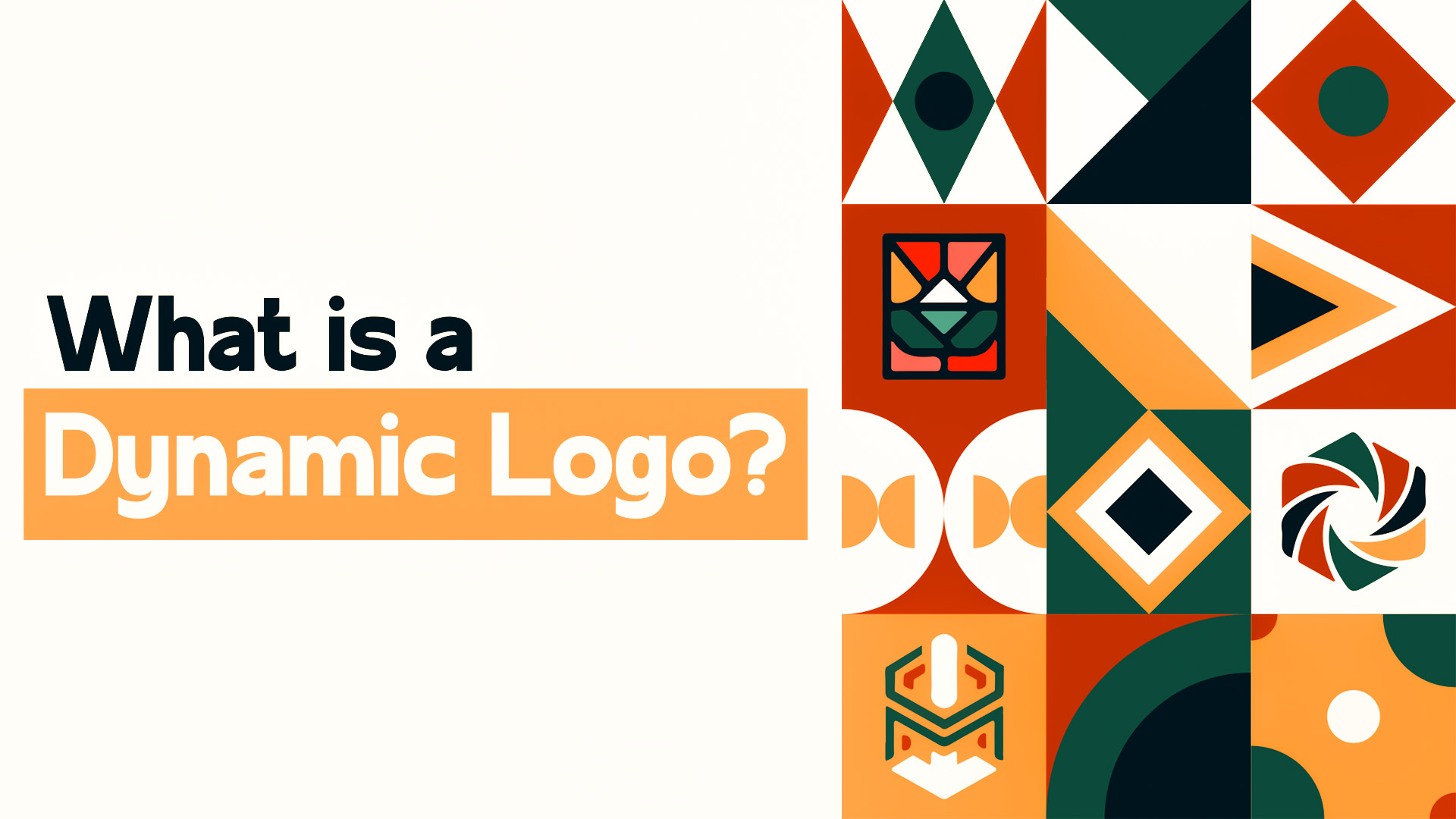
What Is a Dynamic Logo?
Brands today appear in more places than ever before. The average consumer now interacts with a brand across 20 to 500+ touchpoints, from mobile apps and social feeds to emails, websites, and packaging. Yet many companies still rely on a single fixed logo that was never designed to work everywhere at once.
That is where dynamic logos come in. Rather than forcing one rigid design into every format, dynamic logo systems adapt visually to their environment while remaining instantly recognizable. They give brands the flexibility to stay relevant, expressive, and consistent across modern platforms.
In this article, we’ll break down what a dynamic logo is, why it matters in today’s branding landscape, how it differs from a static logo, and how to design one effectively using a logo maker.
Let’s get started!
Dynamic Logo Definition and Why It Matters
A dynamic logo is a logo design that adapts its appearance based on context, platform, or audience while preserving a consistent brand identity. Instead of changing randomly, it follows a structured system where core elements remain constant and flexible elements evolve to suit different environments.
Benefits of using dynamic logos
Dynamic logos are not just visually interesting. They solve real branding challenges in a multi-platform world.
- Better performance across platforms: Dynamic logos adapt to different screen sizes and formats, making them easier to recognize on mobile apps, social media profiles, websites, and print materials.
- Stronger audience engagement: By responding to context such as campaigns, seasons, or digital interactions, dynamic logos feel more relevant and can capture attention more effectively than static designs.
- Modern and future-ready brand perception: Brands with flexible identity systems are often perceived as innovative and digitally savvy, which helps them stay competitive in fast-moving markets.
- Creative freedom without losing consistency: Dynamic logos allow variation while maintaining recognizability, giving brands room to express personality without diluting their visual identity.
- Scalability for growing brands: As brands expand into new channels and formats, dynamic logos facilitate consistency without requiring constant redesigns.
Core Elements of Dynamic Logo Design
Successful dynamic logos are not random or improvised. They are built on structure. Every flexible identity relies on a precise balance between constant elements and adaptive elements.
Constant Elements
At the heart of every dynamic logo is a stable foundation. This is typically the primary symbol, wordmark, or visual identity that anchors the brand.
The color palette and typography also play a crucial role. Even when colors shift or layouts adjust, the underlying typefaces and tonal rules remain consistent. These constants ensure that every variation still feels unmistakably connected to the same brand.
Without a strong core, a dynamic logo quickly becomes confusing rather than flexible.
Adaptive variable elements
What makes a logo dynamic is the ability to evolve around that core.
Color variations are one of the most common adaptations. Brands may introduce seasonal colors, campaign themes, or platform-specific palettes while preserving recognizable hues elsewhere.
Shape or layout changes help logos perform better across different formats. A horizontal layout may work well on a website header, while a simplified icon version fits app interfaces or social profile images more effectively.
Interaction and animation are increasingly crucial in digital environments. Logos can animate subtly when loading an app or respond to user interaction in a way that feels intentional and on brand.
Some dynamic logos even respond to context. This can include geographic location, time of year, or specific marketing campaigns. The key is that every variation follows the same underlying rules.
Dynamic Logo vs. Static Logo
Understanding the difference between dynamic and static logos helps clarify when flexibility is an advantage and when simplicity is the priority.
A static logo uses fixed imagery and layout in every use case. It excels at long-term memorability and works well in traditional branding environments where consistency is important.
On the other hand, a dynamic logo adapts based on context while retaining recognizability. It is especially effective in digital and interactive settings where brands need to scale across platforms and formats.
The core difference lies in flexibility versus rigidity. Static logos stay the same by design. Dynamic logos evolve within a defined system.
There is also a difference in engagement. Dynamic logos invite attention and relevance by responding to context. Static logos emphasize clarity and repetition.
Neither approach is inherently better. The right choice depends on how and where a brand shows up.
How to Create a Dynamic Logo
Designing a dynamic logo requires both creative vision and strategic discipline. Following a structured process helps ensure flexibility without losing identity.
Step One: Start with a strong core logo
Every dynamic logo begins with a solid foundation. This includes a clear symbol or wordmark, a defined color palette, and consistent typography. If the core logo is weak, variations will only amplify the problem.
The core should work well on its own before any adaptations are introduced.
Step Two: Map contexts where variation adds value
Not every brand touchpoint needs variation. Identify where flexibility actually improves performance. Common examples include social profile icons, mobile app interfaces, seasonal campaigns, and promotional content.
This step keeps the system intentional rather than overly complex.
Step Three: Define adaptive elements
Decide which aspects of the logo can change and which must remain fixed. This might include color shifts, layout adjustments, or stylistic treatments.
Clear rules prevent inconsistency and protect brand recognition.
Step Four: Create logo variations
Design multiple versions that follow the established system. Tools like BrandCrowd Logo Maker make it easier to experiment with variations while maintaining consistency across formats.
Each version should feel like part of the same family rather than a separate logo.
Step Five: Test across platforms and sizes
A dynamic logo must perform well everywhere. Test logo variations on mobile screens, desktop layouts, social feeds, and print materials. Ensure readability and visual clarity at all sizes.
What works in a hero banner may fail as a small icon if not tested properly.
Step Six: Build usage guidelines
Document when and how each variation should be used. Clear brand guidelines help internal teams and external partners apply the logo consistently.
This step turns a flexible idea into a scalable system.
Design a Dynamic Logo With BrandCrowd
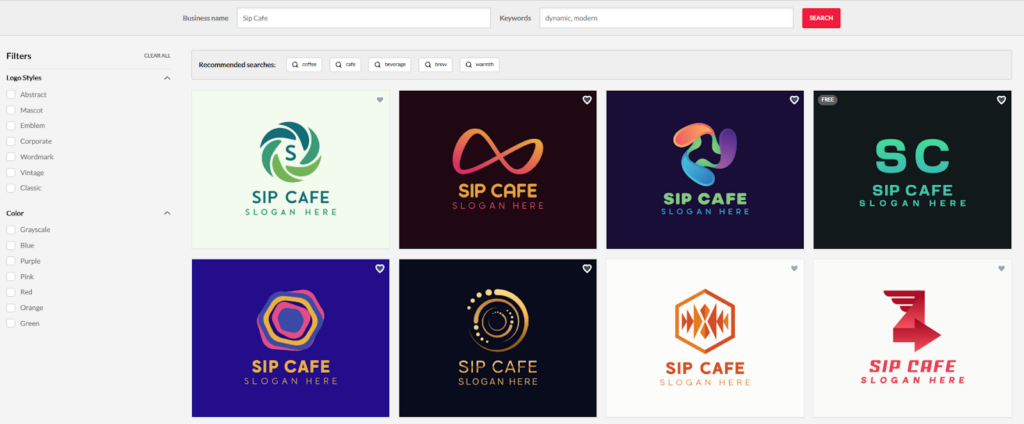
Start by choosing a template or uploading your existing logo, then customize colors, fonts, and symbols to build a strong core design that represents your brand. From there, define which elements can be adapted, such as color variations for seasonal campaigns or simplified icons for social media and apps.
Once your variations are ready, preview them across different platforms to make sure they remain readable and consistent. BrandCrowd allows you to download all versions in multiple formats, making it easy to apply your dynamic logo to social media posts, websites, apps, and print materials, thereby giving your brand a flexible and modern identity.
Real World Examples of Dynamic Logos
Check out some of the real-world examples of dynamic logos:
Google Doodles
Google updates its logo regularly to celebrate holidays, cultural events, anniversaries, and historical figures. While the illustrations and animations may change completely, the core wordmark remains instantly recognizable. These playful adaptations keep the brand relevant, engage audiences worldwide, and create a sense of delight every time someone visits the search engine.
MTV
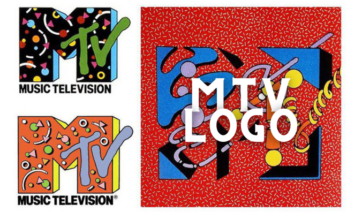
MTV’s logo is famous for its ever-changing appearance. Across campaigns, the brand shifts colors, textures, and styles, reflecting music trends, pop culture, and the creativity of youth. Despite its constant evolution, the logo retains its bold “M” and iconic structure, enabling MTV to convey energy and innovation without compromising brand recognition.
Spotify
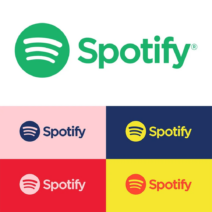
Spotify uses a flexible logo system that pairs its core soundwave symbol with varying color gradients and subtle motion. These adaptations often reflect playlists, moods, or campaigns, helping the brand feel dynamic and culturally tuned. This approach strengthens Spotify’s identity in digital and interactive environments while maintaining the core logo’s familiarity to users.
Microsoft Windows
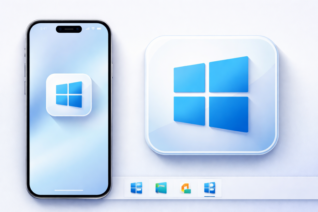
The Windows logo adapts across devices and contexts, from desktop computers to mobile apps and software icons. The familiar four-pane grid remains the core element, but color, size, and presentation shift depending on the platform. This flexibility allows Windows to maintain consistency while optimizing usability and visibility in multiple environments.
Burger King
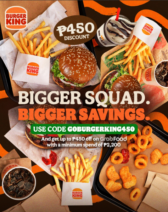
Burger King applies dynamic logo principles across packaging, digital campaigns, and in-store materials. The logo can be adjusted in terms of colors, layout, and size depending on the context, such as social media posts, delivery apps, or promotional packaging. These variations keep the brand fresh and relevant while maintaining a consistent identity that consumers instantly recognize.
When To Use a Dynamic Logo
Dynamic logos are most effective when a brand needs flexibility, engagement, and relevance across multiple platforms.
- Multiple platforms: If your brand engages with audiences across various platforms, including mobile apps, websites, social media, and print, a dynamic logo ensures consistency while adapting to each format.
- Seasonal or campaign specifics: Brands running frequent promotions or seasonal campaigns can use dynamic variations to reflect different themes without redesigning the core logo.
- Digital first businesses: For brands operating primarily online, dynamic logos help optimize visibility and engagement across interactive and responsive environments.
- Audience engagement: Dynamic logos can respond to user behavior, trends, or cultural moments, creating a sense of connection and attention with your audience.
- Brand personality expression: If your brand emphasizes creativity, innovation, or fun, a flexible logo allows for variations that showcase personality without compromising its identity.
- Scalable brand growth: As your brand expands into new markets, products, or media formats, dynamic logos enable you to maintain a cohesive identity across multiple touchpoints.
Design Your Dynamic Logo Today
Dynamic logos are a strategic way to keep your brand relevant, flexible, and engaging across every platform. Start with a strong core identity and explore creative variations that capture attention without losing recognition.
Bring your ideas to life with BrandCrowd’s Logo Maker. Play around with different versions, see what works on social media, apps, or print, and watch your brand feel more flexible, engaging, and modern than ever!
Shayne Jain is a content writer with 7 years of experience specializing in creating engaging and impactful content. Her passion for writing began at age 8, when she started crafting short stories and songs. You can find her kicking balls on the football field or immersed in a good video game when she’s not writing.