Olympic Logo History
In 2024, the world will witness the latest Olympics in Paris. Another event to showcase the athleticism and spirits of global athletes. So many things would get shown on TV. Like the winning moments, the countries participating, and the flags. But there’s one logo design that will keep showing either as a watermark on the side or all before an event starts: the Olympic logo.
So you might wonder what this logo is about and what it means, right? Here in this article, we will detail the history of the Olympic Games logo and the stories and highlights behind that.
What are the Olympic games?
Since its modern revival in 1896, the Olympic Games have become one of the most significant and widely recognized international sporting events. Alongside the sporting competitions, the Olympic Games are also known for their symbolism and visual identity, including the iconic Olympic rings and logos. The logos play a crucial role in representing the spirit, values, and host city of each Olympic Games.
The Olympic Games are the premier international sporting event, held every four years and featuring athletes from over 200 countries. Originating from ancient Greece, the modern Olympics were revived in 1896 by Pierre de Coubertin. Alternating between Summer and Winter editions, the Games encompass a diverse range of sports, captivating audiences worldwide.
With each edition, the Olympics showcase the dedication and skill of athletes on a grand scale. For instance, the 2016 Rio Olympics featured 339 events across 33 sports, while the 2022 Beijing Winter Olympics hosted 109 events across 15 sports. These events attract billions of viewers globally, making the Olympics one of the most-watched events in the world.
Host cities invest substantially in infrastructure development to accommodate the Games. For example, the 2016 Rio Olympics had an estimated cost of $13.1 billion, and the 2022 Beijing Winter Olympics cost approximately $42 billion. However, beyond the financial investment, the Games leave a lasting legacy regarding economic growth, tourism, and cultural exchange, illustrating the profound impact of sport on a global scale.
The iconic Olympic five rings
The Olympic rings, one of the most recognizable sports logos globally, boast a remarkable history spanning over a century.
1913: The Birth of the Rings

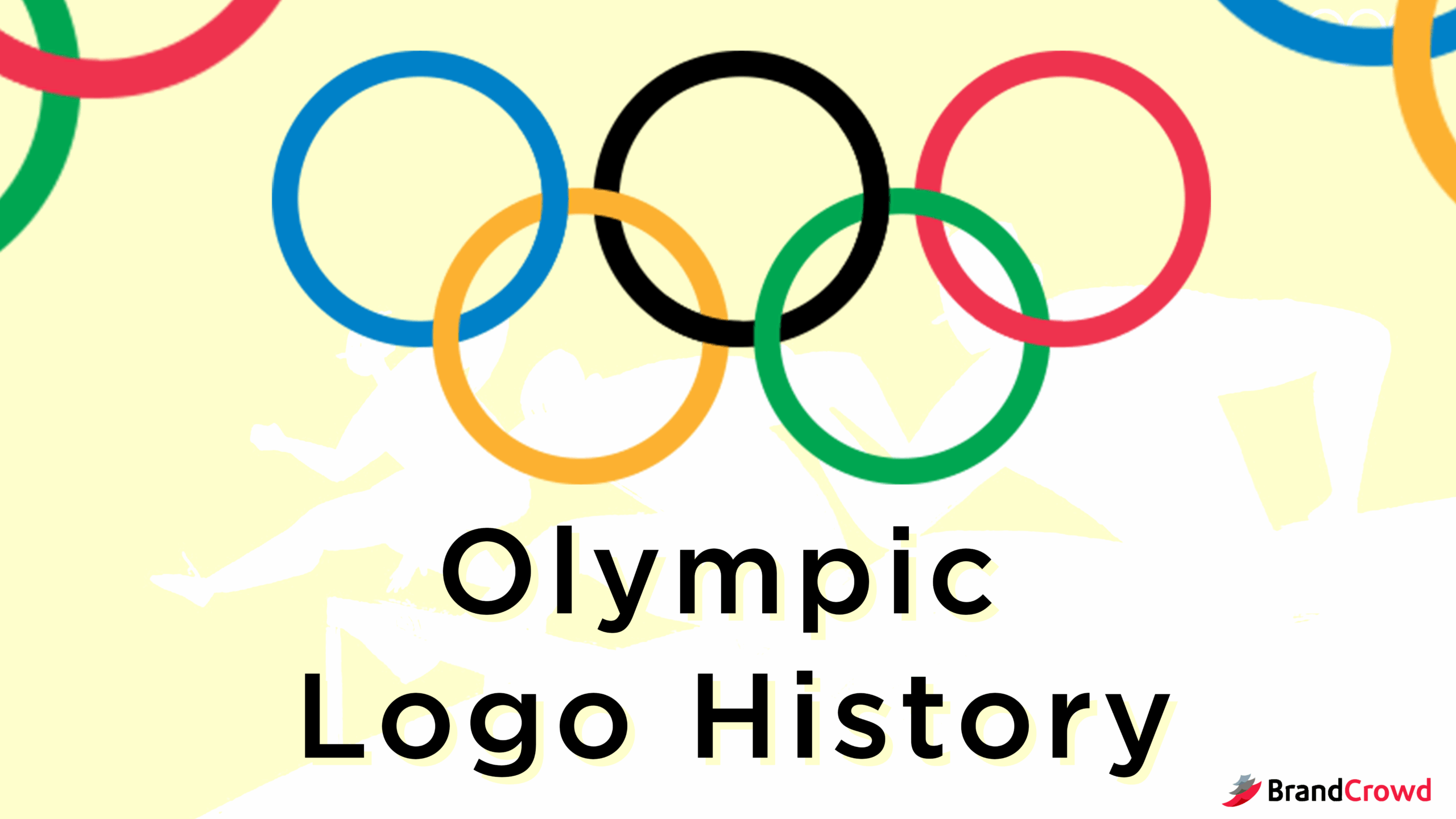
In 1913, Baron Pierre de Coubertin, the visionary behind the modern Olympic Games, unveiled his concept of the Olympic rings. Inspired by the inclusivity and universality of the ancient Olympics, he envisioned a symbol that would embody the unity of the world’s continents. De Coubertin’s design comprised five interlocking rings in blue, yellow, black, green, and red, representing Europe, Asia, Africa, Oceania, and the Americas.
1920: Debut at the Antwerp Olympics

The Olympic rings officially debuted at the 1920 Summer Olympics held in Antwerp, Belgium. Their presence marked a symbolic milestone in Olympic history, signaling a commitment to international collaboration and sportsmanship. The rings displayed prominently throughout the Games swiftly symbolized the Olympic spirit, transcending linguistic and cultural barriers.
1936: Berlin Olympics and Controversy

The 1936 Summer Olympics in Berlin presented a poignant chapter in the saga of the Olympic rings. Amidst the political tensions of the era, the Games hosted by Nazi Germany raised questions about the integrity of the Olympic ideals. Despite the backdrop of ideological conflict, the Olympic rings stood resolute as a symbol of unity and athletic excellence, affirming their enduring significance in the face of adversity.
1951: Official Adoption

In 1951, the International Olympic Committee (IOC) officially sanctioned the Olympic rings as the exclusive emblem of the Olympic Games. This formal recognition solidified the rings’ status as an integral part of the Olympic identity, enshrining their role as a unifying symbol for athletes and spectators alike.
1960s-1970s: Popularization and Global Recognition
The Olympic rings gained unprecedented popularity and global recognition throughout the tumultuous decades of the 1960s and 1970s. As the Games expanded in scope and scale, reaching new audiences across continents, the rings became synonymous with the values of excellence, friendship, and fair play.
1990s-2000s: Incorporation into Olympic Logos
The late 20th and early 21st centuries witnessed the creative integration of the Olympic rings into the design of official Olympic logos. These innovative interpretations, seen in both Summer and Winter Games, reflected each host city’s unique cultural identity while reaffirming the Olympic movement’s universal appeal.
Present Day: Enduring Symbolism
Today, the Olympic rings are a powerful symbol of unity, diversity, and athletic achievement. Emblazoned on flags, merchandise, and iconic landmarks during the opening ceremonies, the rings serve as a timeless reminder of the shared aspirations and values that unite nations in the pursuit of sporting excellence.
Design Your Athlete Logos
Crafting your own athlete logo is a fantastic way to showcase your identity and connect with your audience. With easy-to-use logo maker tools available online, athletes can create a symbol that reflects their unique journey and values.
When designing your sportsman logo, think about elements that represent your personality and sport. Whether it’s incorporating sport-related imagery or creatively using your initials, the options are limitless. And when you’re ready, pair your logo with the right flyers and business cards and soar above the competition.