10 Web Design Trends for 2026
Your website has three seconds to make an impression. In that brief moment, visitors decide whether to stay or click away. The difference often comes down to design.
The good news is that web design in 2026 offers solutions. Modern trends prioritize personalization, speed, and seamless experiences that are compatible with any device. These aren’t just visual upgrades. They’re strategic improvements that affect your bottom line.
This article covers 10 web design trends that will help your website compete in 2026. You’ll learn what’s working, why it matters, and how to implement these trends effectively.
What Are the Latest Web Design Trends?
Web design trends don’t appear out of thin air. They emerge from a combination of shifts in user behavior, technological breakthroughs, and cultural movements that shape our interactions with the digital world. Just as logo makers adapt to current design aesthetics, websites must also evolve to meet changing expectations.
Several forces drive this evolution:
- User expectations are higher than ever. People now expect websites to load in under two seconds, adapt to their preferences automatically, and work seamlessly whether they’re on a phone, tablet, or desktop. They want experiences that feel intuitive and personal, not generic and clunky.
- Technology keeps pushing boundaries. Advances in AI, faster internet speeds, more powerful browsers, and improved development tools make it possible to create experiences that were previously impossible. Mobile-first design and accessibility requirements have become non-negotiable standards rather than nice-to-haves.
- Visual culture never stops moving. What looked fresh and modern in 2020 can feel dated in 2026. Design aesthetics evolve through social media, popular apps, and cultural movements that influence what feels current and engaging.
So what does this mean for your website in 2026? The trends below represent the current direction of web design. Some focus on technology, others on aesthetics, and many blend both to create experiences that feel effortless and engaging.
10 Web Design Trends for 2026
These trends represent the most significant shifts in web design right now. Some will reshape how users interact with your site, while others will define how your brand looks and feels online.
Here’s what you need to know about each one.
1. AI-powered personalization
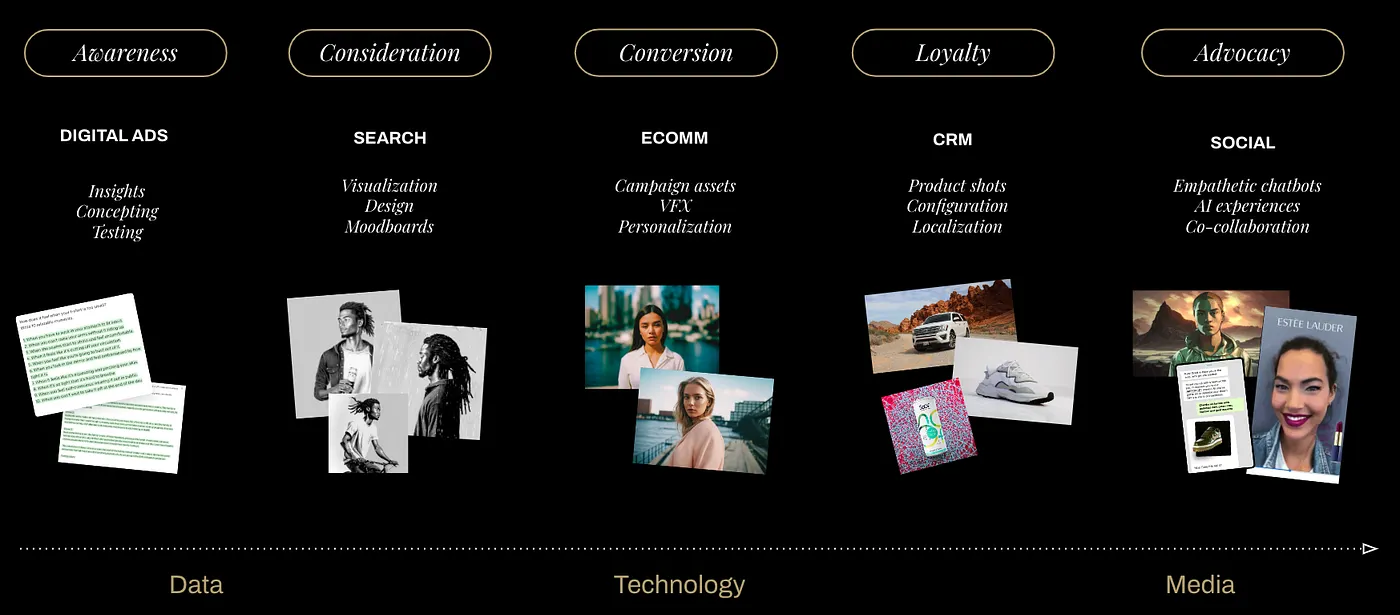
Websites in 2026 are getting smarter about adapting to individual visitors. AI personalization enables your website to dynamically adjust content, layouts, and recommendations based on an individual’s behavior and needs.
Examples of this include:
- Personalized homepages that highlight products you’re most likely to buy
- AI chatbots that actually understand context and provide helpful answers
- Predictive search that knows what you’re looking for before you finish typing
Why it matters: Generic, one-size-fits-all experiences don’t cut it anymore. When your website treats each visitor as an individual, engagement goes up and conversions improve. People spend more time on sites that feel like they were designed specifically for them.
2. Immersive 3D elements and interactions
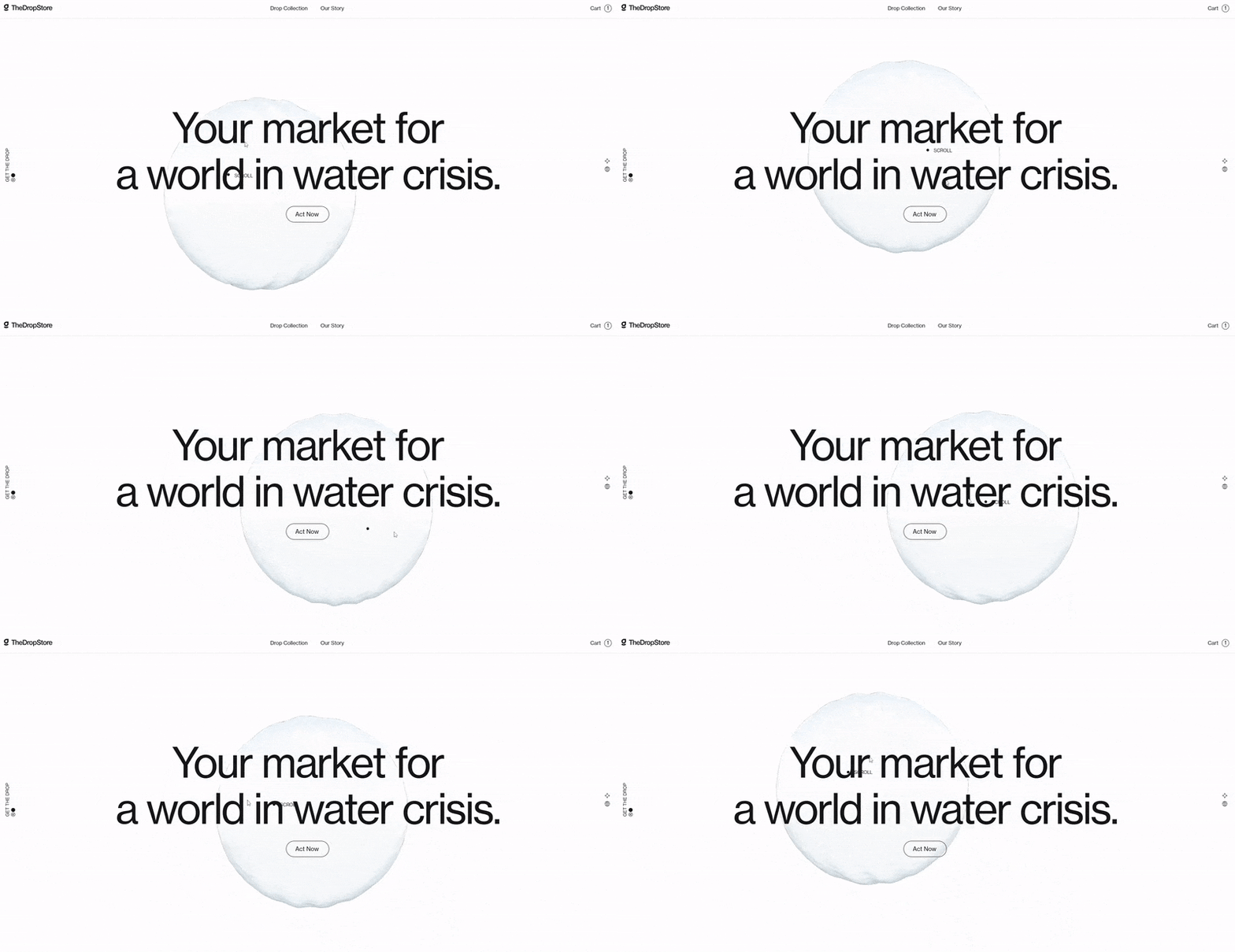
Flat, two-dimensional websites are giving way to experiences with depth and dimension. Immersive 3D elements and interactive graphics create engagement without sacrificing load times, thanks to technologies like WebGL, Three.js, and Spline.
A great example is the one featured above! The Drop Store for the UN, an innovative initiative by the Ministry of Foreign Affairs of the Kingdom of the Netherlands. This 3D e-commerce website takes visitors on a journey through a dystopian market in a world facing a water crisis, creating an immersive experience that educates while engaging.
The key is to use 3D strategically, not just because you can. When done right, 3D elements make complex products easier to understand, create memorable first impressions, and give your brand a modern, innovative feel.
3. Bold typography and kinetic text
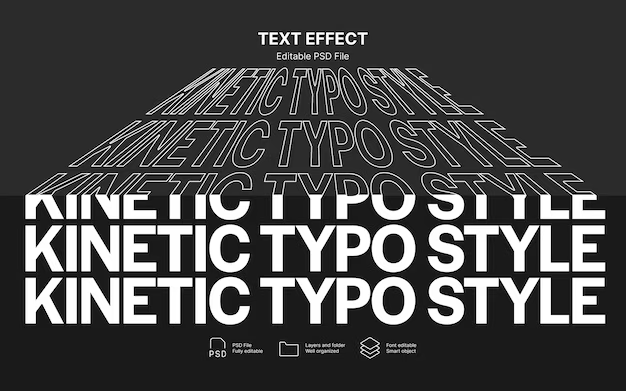
Typography is stepping into the spotlight as a primary design element. Oversized, expressive fonts make bold statements and communicate brand personality before visitors read a single word.
Kinetic typography takes this further with text that animates, moves, or responds to scrolling and mouse movement. Letters might morph, glide across the screen, or reveal themselves in creative ways that capture attention and guide the eye.
Why this trend works:
- Creates an immediate visual hierarchy
- Differentiates your brand from competitors using generic fonts
- Turns text itself into an engaging visual experience
According to Smashing Magazine, typography choices significantly impact how users perceive brand credibility and professionalism.
4. Dark mode and adaptive color schemes
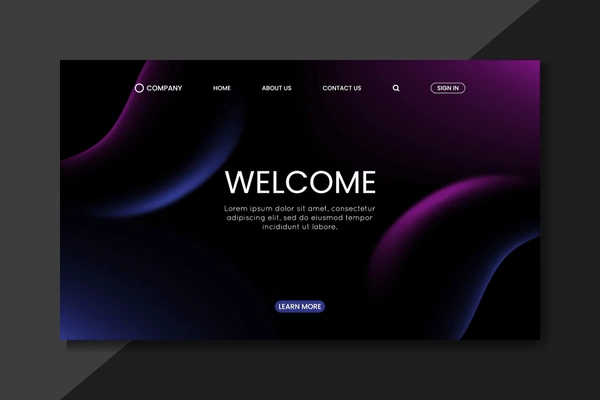
Dark mode has evolved from a trendy option to an expected feature. Websites in 2026 offer dark mode alternatives and automatically adapt to system settings, eliminating the need for users to toggle anything.
The benefits go beyond aesthetics:
- Reduces eye strain during nighttime browsing
- Saves battery life on mobile devices with OLED screens
- Creates a sophisticated, modern look that many users prefer
Smart websites now use adaptive color schemes that respond to the time of day, user preferences, or context. This shows respect for user choice and demonstrates attention to detail that builds trust.
5. Micro-interactions and delightful details
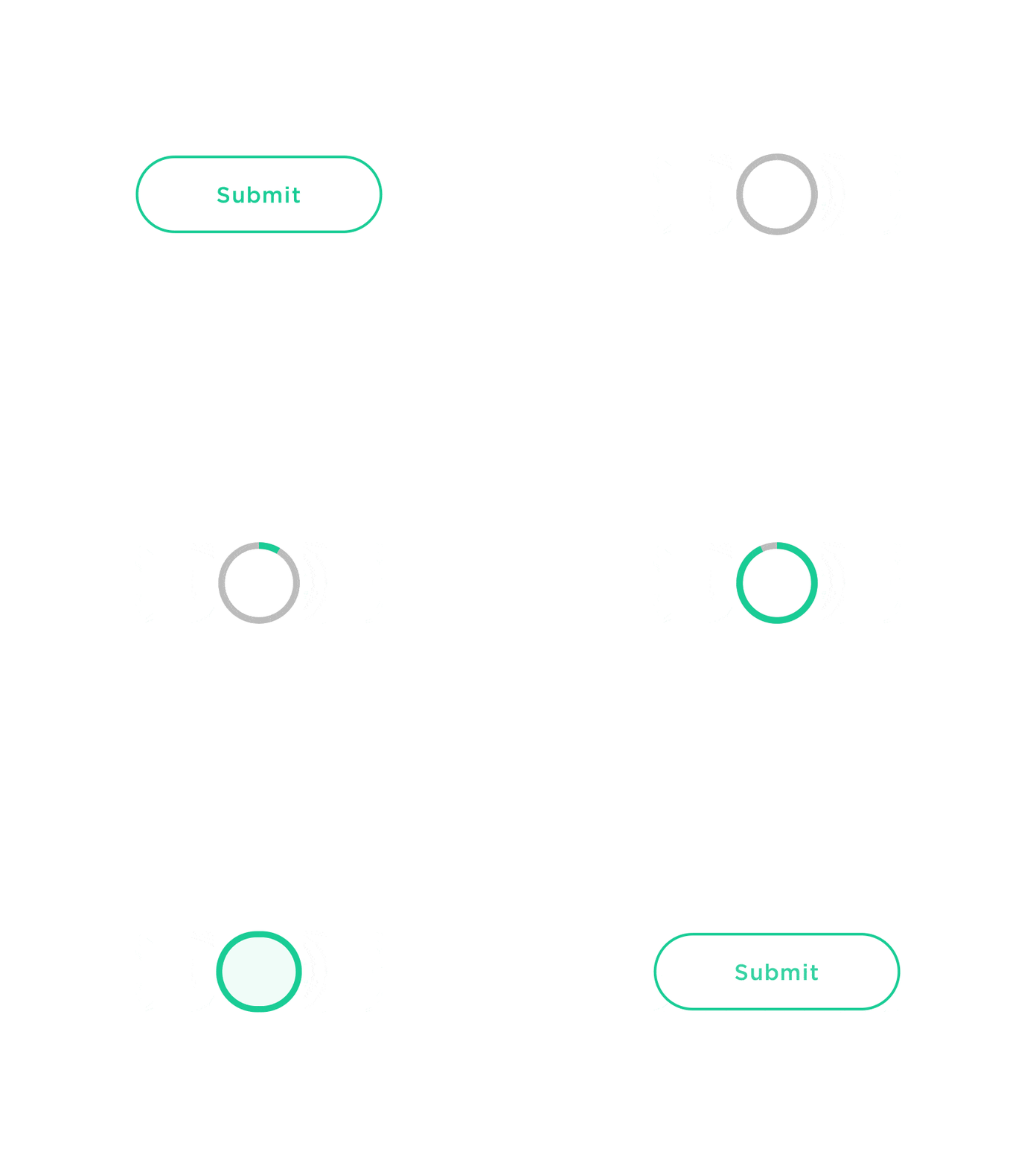
The most memorable websites in 2026 sweat the small stuff. Micro-interactions are subtle animations triggered by user actions, such as hovering over buttons, clicking links, or submitting forms.
Examples include:
- Loading animations that entertain rather than frustrate
- Progress indicators that show exactly where you are in a process
- Interactive icons that respond with little bounces and transitions when clicked
These seemingly insignificant details add up. They create experiences that feel polished, responsive, and alive. They provide immediate feedback that confirms actions worked, reduce anxiety during wait times, and inject personality into otherwise mundane interactions.
6. Minimalist design with maximal white space
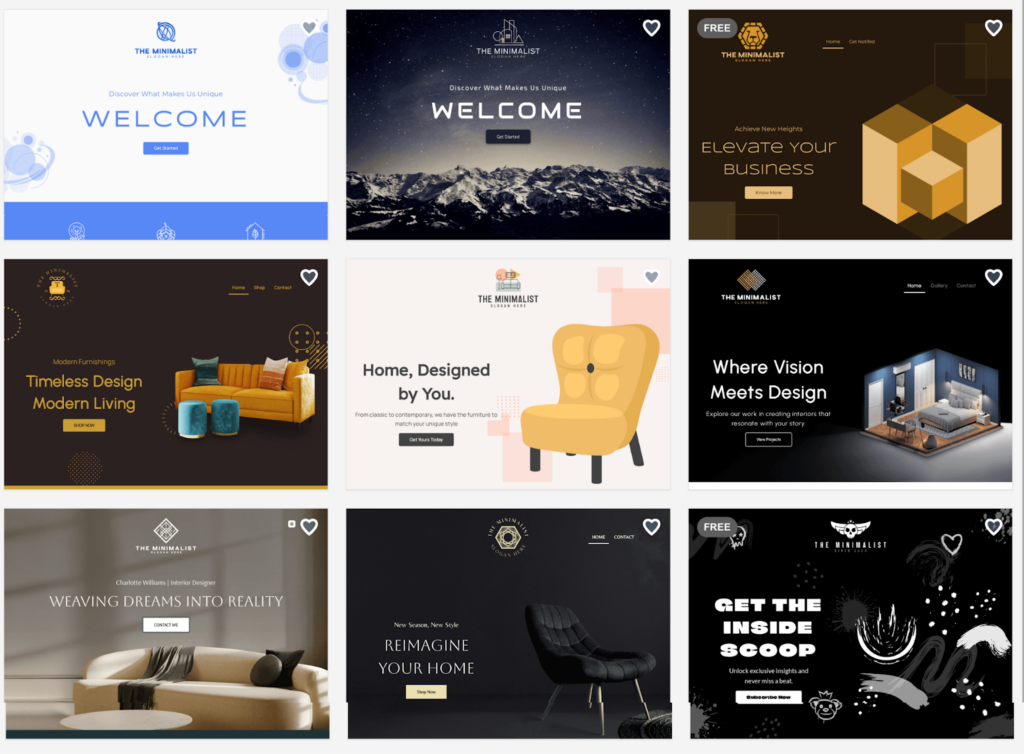
Less continues to be more in 2026. Minimalist design with generous white space creates clean, uncluttered layouts that allow content to breathe and important elements to stand out.
This trend uses negative space strategically to guide attention, enhance readability, and establish a visual hierarchy without relying on heavy graphics or busy backgrounds. Every element earns its place on the page.
In an age of information overwhelm, websites that simplify rather than complicate win user loyalty.
7. Asymmetrical layouts and broken grid design
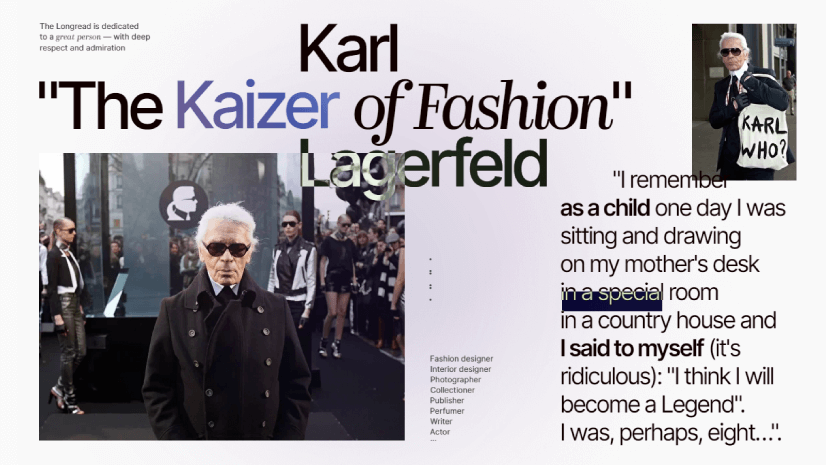
Traditional grid systems served web design well for years, but 2026 sees more designers breaking free from rigid structures. Asymmetrical layouts and broken grid designs create dynamic, unexpected compositions that stop the scroll.
When done thoughtfully, asymmetry creates visual interest, helps brands stand out from template-driven competitors, and makes user journeys more memorable.
The trick is to maintain usability while breaking conventions. Asymmetry should enhance the experience, not confuse users about where to look or what to do next.
8. Scroll-triggered animations and parallax effects
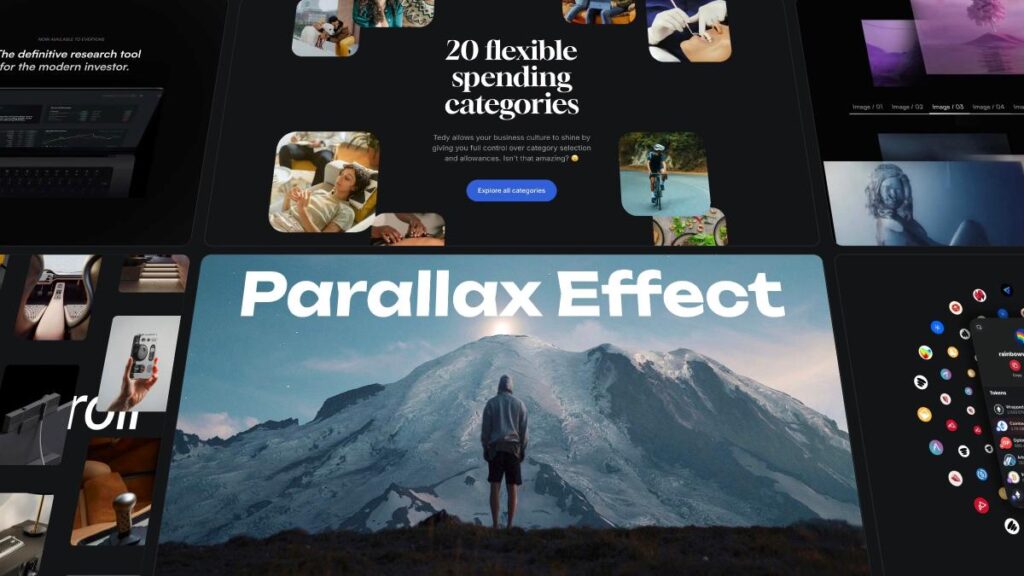
Static websites feel lifeless compared to experiences that respond to how you move through them. Scroll-triggered animations reveal content as visitors move down the page, creating a sense of discovery and progress.
Parallax scrolling adds depth by moving background and foreground elements at different speeds, creating a sense of depth that pulls users into the experience.
Important consideration: These techniques must be optimized carefully. Poorly implemented animations can hurt performance, create accessibility issues, or feel gimmicky. When done correctly, they transform passive scrolling into active engagement, making websites feel more like interactive stories than static documents.
9. Organic shapes and fluid design elements
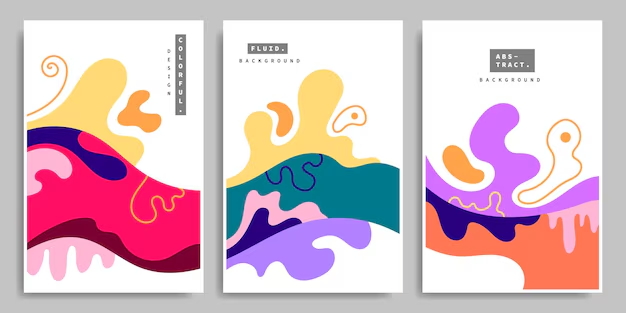
Sharp corners and rigid geometric shapes are softening. Organic shapes, curved lines, blobs, and natural forms create websites that feel more human, approachable, and contemporary.
Soft edges and flowing transitions between sections add visual warmth that contrasts nicely with the precision of digital interfaces. These elements can be subtle background shapes or bold foreground graphics that define entire layouts.
What this means: The organic shape trend is connected to broader cultural movements that value authenticity, nature, and human connection. Websites that use fluid design elements tend to feel less corporate and more relatable.
10. Inclusive and accessible design
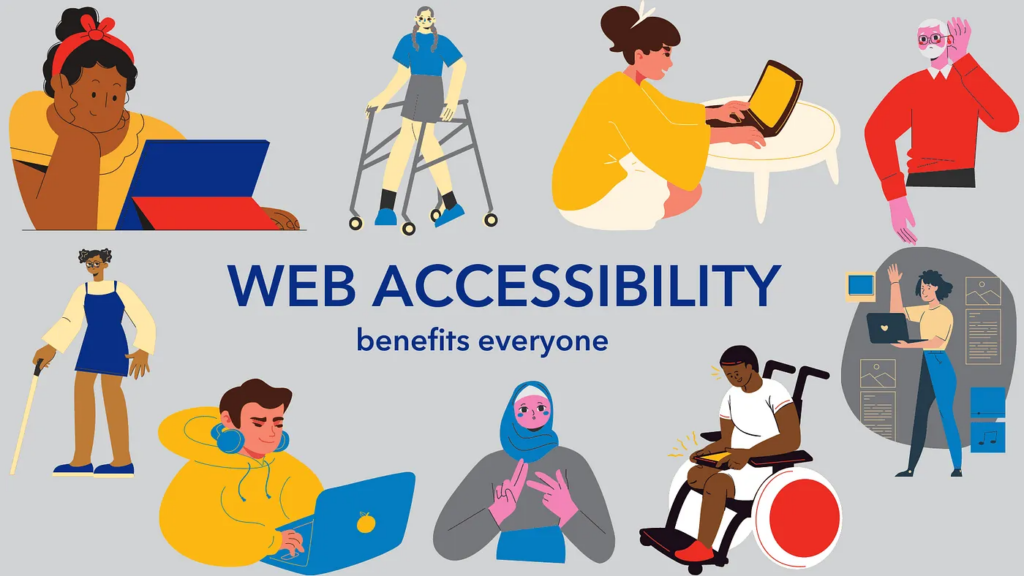
Accessibility has moved from a checkbox requirement to a core design principle. Inclusive design in 2026 prioritizes features such as keyboard navigation, screen reader compatibility, proper color contrast, and accommodations for users with various disabilities.
Why this matters beyond compliance:
- Expands your potential audience
- Improves user experience for everyone (not just those with disabilities)
- Demonstrates values that customers increasingly care about
Good accessibility often improves overall usability. Clear navigation helps everyone. Readable text benefits all users. Alternative text for images helps with SEO. Designing inclusively creates better websites, but maintaining that experience also requires ongoing oversight. Tools such as Marker.io’s website monitoring can help teams detect website issues after launch and respond before they significantly affect visitors.
How to Implement Modern Web Design Trends
Understanding trends is one thing. Actually applying them to your website is another. Here’s how to effectively implement modern web design trends.
Start with strong branding
Establish your visual identity before incorporating trendy design elements. Consistent branding through your logo, colors, and fonts creates the foundation that makes trend implementation work. Tools like BrandCrowd help create cohesive brand assets, from logos to business cards and social graphics, that keep your trendy website feeling unified.
Prioritize user experience
Trends should enhance usability, never complicate it. Test designs with real users and gather honest feedback. Focus on intuitive navigation and clear calls to action. If a trendy element confuses users or makes tasks more difficult, remove it, regardless of how visually appealing it may be. Applying strong search engine optimization practices alongside modern design trends can also help improve your website’s visibility and performance in search results.
Optimize for performance
Visual appeal means nothing if your website takes forever to load. Compress images and assets aggressively. Use lazy loading for photos and videos to load them only when needed. Balance those beautiful 3D elements and animations with speed, especially on mobile connections.
Ensure mobile responsiveness
Design for mobile first, then scale up to desktop. Test across multiple devices and screen sizes obsessively. Consider touch-friendly interactions and thumb-reachable navigation. More than half of your traffic comes from mobile, so mobile experience cannot be an afterthought.
Balance trends with timelessness
You don’t need to implement every trend on this list. Choose elements that align with your brand personality and audience expectations. Mix trendy elements with classic design principles that have staying power. Avoid trends that make your website feel dated in six months. Working with professional Webflow development services can help ensure your site balances modern trends with a long-lasting, scalable design.
Use design tools and templates
Leverage website builders with modern templates like BrandCrowd, Webflow, Dashboard Templates, Squarespace, or WordPress. Customize templates to incorporate trending elements while maintaining brand consistency. Use design systems to ensure consistency across all pages. For SMBs needing more advanced functionality to support their business operations, specialized agencies can help you build custom web-based software and apps that integrate seamlessly with your website and automate key workflows
Test and iterate
A/B test design changes to measure actual impact on conversions, not just aesthetic preferences. Monitor key analytics, such as bounce rates, time on page, and conversion rates. Continuously refine based on real user behavior and feedback rather than assumptions.
Web Design Trends to Avoid in 2026
Not all trends age well. Some design choices hurt more than they help. Here are web design trends to avoid in 2026.
- Auto-playing videos with sound annoy users and cause immediate bounces. If you use video, make it user-initiated and muted by default.
- Excessive pop-ups that disrupt the user experience create frustration rather than conversions. If you need pop-ups, time them thoughtfully and make them easy to dismiss.
- Slow-loading heavy animations look impressive in design mockups but destroy user experience when they cause lag, stuttering, or long wait times.
- Poor mobile optimization is inexcusable in 2026. If your website doesn’t work flawlessly on mobile, you’re losing the majority of potential customers.
- Illegible fonts or insufficient color contrast sacrifice usability for style. Aesthetics should never come at the cost of readability.
- Generic stock photos that lack authenticity make your brand feel fake and impersonal.
How BrandCrowd Can Help You Build Your Website
Web design trends for 2026 focus on creating personal and immersive experiences that work seamlessly across all devices while prioritizing accessibility and performance. From AI-powered personalization to bold typography to inclusive design, these trends reflect how user expectations and technology capabilities continue to evolve.
Great web design starts with great branding. BrandCrowd offers the tools to create a cohesive and memorable online presence. Our logo maker, business card generator, poster and flyer creators, and social media templates keep your branding consistent across every touchpoint. Need to build your website from scratch? BrandCrowd’s website builder makes it easy to design professional sites without technical expertise.
Transform your website by starting with a strong brand identity. Because trends come and go, but strong branding never goes out of style.
Read more on web design:
- The Tiny Icon That Could: A Complete Guide to Favicons
- Build a Website With BrandCrowd
- The Role of User Experience in Website Design for Small Businesses
FAQs About Web Design Trends
What are the latest web design trends?
The latest web design trends include AI-powered personalization, immersive 3D elements, bold typography, dark mode options, micro-interactions, minimalist layouts, asymmetrical designs, scroll-triggered animations, organic shapes, and accessible design practices.
What web design trends should I follow in 2026?
Focus on trends that enhance user experience like mobile responsiveness, fast loading times, and accessibility features. Prioritize personalized content and engaging visual elements that align with your brand identity.
How to implement modern web design trends?
Start with strong branding, then prioritize user experience and performance optimization. Balance trendy elements with timeless design principles and continuously test based on user feedback.
Should I follow every web design trend?
No, only select trends that align with your brand, audience, and business goals. Implement trends that enhance functionality and user experience, not just because they’re popular.
How often should I update my website design?
Consider a full refresh every 2 to 3 years to stay current. Make incremental updates more frequently based on analytics and user feedback to keep your site performing well.
Are web design trends important for SEO?
Yes, many design trends like fast loading, mobile responsiveness, and accessibility directly impact SEO rankings. Search engines reward sites that provide better user experiences.
Hannah Suroy suroy brings clarity to complex topics across entertainment, business, and creative industries. She specializes in translating industry trends and innovations into engaging content that helps readers understand the creative process behind the work they love.
Header Image by Selwyn Legaspi