Mastering Triadic Color Schemes: A Guide for Modern Brands
Color psychology remains a cornerstone of brand design in today’s competitive marketplace. Whether creating digital content, print materials, social media posts, or working with a logo maker, smart color choices can make or break your brand’s success.
Triadic color schemes offer the perfect balance between eye-catching contrast and professional harmony. These three-color combinations grab attention without overwhelming your audience, creating memorable brand experiences that stick with customers.
As visual content becomes increasingly crucial for business success, understanding triadic color schemes has become essential for brands across all industries.
How Color Impacts Modern Branding
Color in branding goes far beyond aesthetics. It is a psychological tool that shapes how customers perceive, remember, and connect with your brand emotionally.
The psychology behind smart color choices

Brand color psychology plays a huge role in consumer decision-making. Research reveals that up to 90% of snap judgments about products come from color alone. This means your color choices often determine whether customers remember your brand or choose your competitors instead.
Brand recognition also jumps by 80% when businesses maintain consistent colors across all touchpoints. When people see your colors repeatedly on your website, social media, packaging, and advertisements, they develop emotional connections to your brand. This repetition builds familiarity, and familiar brands feel safer to purchase from.
Each color triggers specific emotions that influence shopping behavior. Understanding these psychological triggers helps you make strategic color decisions.
Current color trends across industries
Brand color trends in 2025 show companies choosing bold, vibrant combinations instead of safe, muted palettes. Modern brands need colors that help them stand out in crowded digital spaces where consumers scroll past hundreds of messages daily.

Tech companies like Duolingo (with its distinctive bird logo) use bright green and blue because it matches their innovative approach to learning. This combination communicates the brand’s innovativeness while remaining approachable, which matters when educational apps compete for user attention.

Spotify demonstrates how bold colors work across demographics. Their bright green paired with black feels energetic and sophisticated, attracting younger users while maintaining premium appeal for older audiences.
Eco-friendly brands now embrace earth-toned triadic schemes that showcase environmental values without sacrificing visual impact. These combinations often blend deep greens, warm browns, and golden yellows that feel natural and responsible.
Understanding Triadic Color Schemes

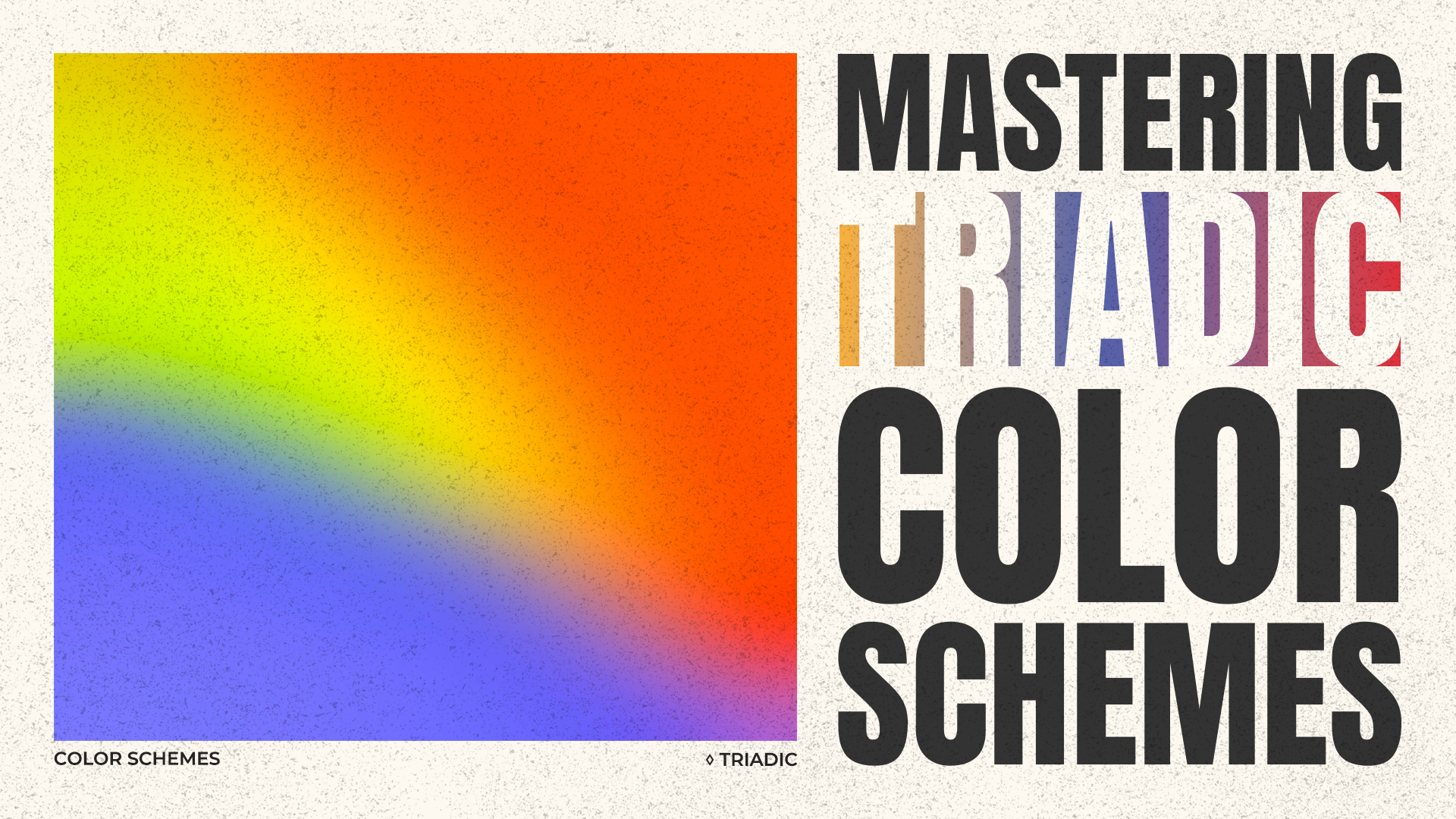
A triadic color scheme uses three colors spaced evenly around the color wheel to create balanced, attention-grabbing combinations. These schemes provide the perfect balance of contrast and color harmony for effective brand color palettes.
The basics of triadic color theory
Triadic colors are three colors positioned 120 degrees apart on the color wheel, forming a perfect triangle. This mathematical spacing creates maximum contrast while maintaining visual balance, creating combinations that pop without appearing chaotic.
The most famous examples are red, yellow, and blue, but you can create triadic color schemes with any three colors that maintain this 120-degree relationship. Other powerful combinations can also include:
- Green, orange, and purple
- Yellow-green, blue-violet, and red-orange
- Yellow-orange, red-violet, and blue-green
This equal spacing creates natural visual balance because no single color dominates based on its position on the color wheel. The mathematical foundation ensures these combinations look harmonious while providing enough contrast to maintain visual interest.
Why triadic schemes work for brands
Triadic color schemes offer incredible versatility across different platforms and applications. Whether you’re designing logos, websites, packaging, or social media content, these three-color combinations maintain their impact and readability in various contexts.
The perfect balance between color harmony and contrast makes triadic schemes naturally attention-grabbing without appearing overwhelming. This quality works exceptionally well in digital environments where brands compete for increasingly short attention spans. The contrast helps important elements stand out, while the harmony prevents visual chaos.
Triadic color schemes also scale beautifully from large applications like billboards to tiny mobile icons. The strong contrast ensures visibility even at small sizes, while the balanced harmony prevents designs from looking too intense when displayed large.
Choosing the Right Triadic Color Palette
Color palette selection for triadic schemes requires understanding color theory principles and your brand’s unique personality. The goal is finding colors that capture attention while reflecting your values and appealing to your target audience.
Using the color wheel effectively
Start by selecting one primary color that embodies your brand’s core personality. This dominant color should evoke the emotional response you want from customers while considering industry conventions and competitive positioning.
Once you’ve established your primary color, locate it on the color wheel and identify the two colors positioned exactly 120 degrees away. These form your basic triadic foundation. However, you rarely want to use these colors at full saturation equally throughout your designs. Instead, adjust their brightness and intensity to create a sophisticated, usable palette.
Modern digital tools make this process more accessible and precise:
- Adobe Color Wheel provides professional-grade color selection with exact triadic calculations.
- Coolors.co offers an intuitive interface with extensive export options.
- BrandCrowd‘s generators automatically suggest triadic combinations based on your starting color, complete with real brand examples.
Aligning colors with brand personality
Your color palette must align with your brand’s personality, industry context, and audience expectations. This alignment means considering color meanings across cultures, demographic preferences, and competitive landscape positioning.
High-energy brands often thrive with bright, bold triadic combinations. For example, a fitness brand might choose vibrant red for motivation, blue for trust, and yellow for optimism. This combination communicates energy while maintaining credibility with health-conscious consumers.
Premium brands typically require more sophisticated approaches using deeper or muted versions of triadic colors. A luxury consulting firm might select navy blue for trustworthiness, rich burgundy for sophistication, and warm gold for success.
Consider your audience carefully. Younger demographics often prefer brighter combinations, while older audiences may gravitate toward more subdued versions. Gender preferences, cultural backgrounds, and geographic locations all influence color perception and preference.
Triadic Color Schemes in Logo Design
Triadic logo design creates memorable brand marks that stand out while staying professional. When done right, these colorful logos become powerful assets that boost recognition everywhere they are used.
Why triadic logos work so well
Triadic schemes make logos pop in digital spaces where brands compete hard for attention. These color combinations stay clear and impactful at any size, from tiny app icons to giant billboards.
The three-color structure hits the perfect balance for brand recognition. Research shows three elements are simple enough to remember but complex enough to be unique, which explains why so many successful logos use three main parts.
Creating your triadic logo with BrandCrowd

Modern logo design platforms make creating professional triadic logos much easier while maintaining high quality. BrandCrowd tools give you automated color harmony features and real-time previews, making the whole design process smoother and more intuitive.
Paint Brush Color by BrandCrowd
Kids Children Food Cutlery by Design.com
Colorful Dental Health by BrandCrowd
Abstract Startup Colorful by Design.com
Generic Colorful Blob by BrandCrowd
Start by picking your primary brand color based on your personality and what your industry expects. BrandCrowd helps you discover the perfect complementary colors automatically. Then, you can experiment with different brightness and intensity levels until it feels just right for your brand.
Set up proper color hierarchy in your logo to avoid visual chaos while making the most significant impact. Figure out which color will dominate (usually 60% of the visual weight), which one provides secondary support (30%), and which serves as accent elements (10%).
Test your design across different situations and uses. Check how it looks against various backgrounds, in black and white versions, and at different sizes to ensure your brand always looks consistent.
Using Triadic Schemes Across All Brand Materials
Keeping your triadic colors consistent across everything your brand touches builds powerful recognition while giving you flexibility for different uses. The key is knowing how to adapt your three colors for various situations while keeping everything unified.
Website color strategy
Your website is the most complex place to use your triadic scheme because you need to think about user experience, accessibility, and getting people to take action. Good triadic web design guides where people look while ensuring they remember your brand.
For example:

Bag Pop Up Store by BrandCrowd

Technology Software Development by DCOM
Use your primary color for headers, navigation, and key brand elements so people can immediately recognize you. This color should appear consistently on every page and have enough contrast against backgrounds so everyone can read it easily.
Your secondary colors work great for important supporting stuff like section headings, featured content, and secondary navigation. These give visual interest while keeping information organized clearly. Your secondary color can also help people quickly tell different types of content apart.
Save your accent color for essential things like call-to-action buttons, form submissions, and special promotions. Using it sparingly creates strong emphasis that draws attention to what you want people to do.
Social media and digital marketing
You have just seconds to grab attention on social media among all the competing content, so clever triadic design can boost engagement while building consistent brand recognition.
Create a system for using colors across different types of posts so followers can quickly spot your content. Educational posts might always feature your primary color, product photos could emphasize your secondary color, and promotional offers use your accent color for maximum impact.
Think about each platform’s specific needs when adapting your colors. Instagram‘s visual focus lets you be more creative with color, while LinkedIn’s professional setting might need more conservative usage.
Print and physical applications
Adapting your triadic scheme to packaging, merchandise, and flyers means examining how colors look on various materials and printing methods.
- Work with printing professionals to ensure your digital colors look right when printed and represent your brand correctly.
- Test on different materials, such as cardboard, plastic, glass, or metal, since each material affects how the final colors appear.
- Plan for budget printing by ensuring your scheme works even on cheaper paper or single-color versions for cost-effective marketing.
Smart Color Selection and Common Mistakes to Avoid
Even experienced designers make color mistakes that can hurt their brand’s effectiveness. Learning the best practices and avoiding common problems helps you create stronger brand communications that work for everyone.
Smart practices to follow
- Test your triadic combinations on different backgrounds and in various lighting before making final decisions.
- Use the 60-30-10 rule, where your primary color takes up 60% of your design, the secondary color gets 30%, and the accent color gets 10%.
- Adjust the brightness levels of each color so some stand out more than others and guide where people look.
- Check that your colors have enough contrast for people with visual impairments using tools like WebAIM’s Contrast Checker.
- Think about how your colors will look when printed on different materials or displayed on various screens.
The biggest triadic color mistakes
- Using all colors equally. Putting all three colors at full brightness throughout your design creates visual chaos that overwhelms people and weakens your brand message. Remember that some colors naturally grab more attention than others, so a bright yellow needs less space than a deep blue to have the same visual impact.
- Forgetting about accessibility. Many designers focus only on making things look good while accidentally creating barriers for people with vision problems. Ensure enough contrast between your text and backgrounds with at least a 4.5 to 1 ratio for standard text and a 3 to 1 ratio for large text.
- Choosing colors that don’t fit your brand. Sometimes, designers get so excited about creating striking color combinations that they forget whether those colors match their brand’s personality. A law firm using bright orange, lime green, and purple might look trendy, but it could make potential clients question its professionalism.
Real-World Triadic Success Stories
Looking at how major brands use triadic color schemes gives us great insights into effective color strategy across different industries and target audiences.

Google uses red, yellow, blue, and green together to create multiple triadic relationships while helping people navigate their different products. This clever color coding helps users instantly recognize and differentiate between Gmail, Google Drive, Chrome, and other services.
The approach shows how triadic principles can work effectively across huge organizations with many offerings. Each color serves visual appeal and practical purposes, creating a unified yet distinctive brand family.
eBay

eBay’s colorful logo uses red, yellow, blue, and green to show its marketplace’s diversity. The multiple triadic relationships in these colors suggest variety and inclusion, perfect for a platform where anyone can buy or sell anything.
This rainbow approach tells customers they can find incredible variety without the design looking messy or unprofessional. The strategy helps eBay feel more approachable than corporate competitors while maintaining the trust people need for online shopping.
Pepsi

Pepsi’s updated logo keeps its classic red, white, and blue foundation while adding electric blue and black for a more modern feel. The circular logo design creates energy and movement, making it feel more dynamic than competitor logos.
The famous Pepsi Globe remains one of the most recognizable logos worldwide because of how well these triadic colors work together. This combination connects American heritage with forward-thinking innovation, helping them compete across traditional and new beverage markets.
Firefox

Firefox combines warm orange and yellow with cool blue to create an eye-catching contrast that reflects its vibrant user community. This color relationship creates a strong visual impact and makes the brand memorable in the crowded browser market.
The orange and blue pairing suggests innovation and dependability, exactly what people want from their web browsers. These colors help Firefox stand out from bigger competitors while showing that it’s technically skilled and user-friendly.
Building Colorful Brands With Confidence
Modern branding needs color strategies that work everywhere while creating real emotional connections with your audience. Triadic color schemes give you the perfect starting point because they offer balanced energy that grabs attention without losing professional credibility.
Getting triadic colors right means understanding basic color theory and what makes your brand special. Start with one strong primary color that shows your core values, then use the color wheel to find partners that support your primary brand instead of fighting against it.
Ready to create your own amazing triadic color scheme? BrandCrowd makes it simple to try professional color combinations that perfectly match your brand’s personality. Start building your colorful brand identity today and watch your recognition grow across all your marketing.
Read more about branding and design here:
- How To Plan a Seasonal Branding Strategy for Your Business
- 50 Funny Logos To Make Your Brand Unforgettable
- 10 Branding Assets Every Startup Needs (And Where to Get Them Fast)
FAQ: Triadic Color Schemes in Branding
What’s the difference between triadic and analogous color schemes?
Triadic vs analogous schemes are like night and day regarding visual impact. Triadic colors create bold, high-contrast energy by spacing evenly around the color wheel, while analogous colors sit together for smooth, calming harmony.
Are triadic color palettes good for minimalist brands?
Absolutely, triadic palettes work great for minimalist branding when you use smart restraint. Pick one dominant color and let the other two play supporting roles as subtle accents to keep that clean, uncluttered feel.
How do I test if a triadic palette is working?
Run your colors through color testing tools like WebAIM’s Contrast Checker to ensure they’re accessible and readable everywhere. If your triadic palette stays clear and impactful across different backgrounds, screens, and print materials, you’ve got a winner.
Can I use a triadic scheme with more than three colors?
Yes, you can expand your palette by adding tints, shades, and neutrals to your core triadic foundation. Triadic palette tools make this easy by generating variations automatically while keeping your three primary colors as the stars of the show.
Hannah Suroy suroy loves turning big stories into easy-to-digest articles about movies, TV, business, and more. These days, she mainly writes creative articles and insights focused on the world of design.
Original Artwork by Khim John Blazo