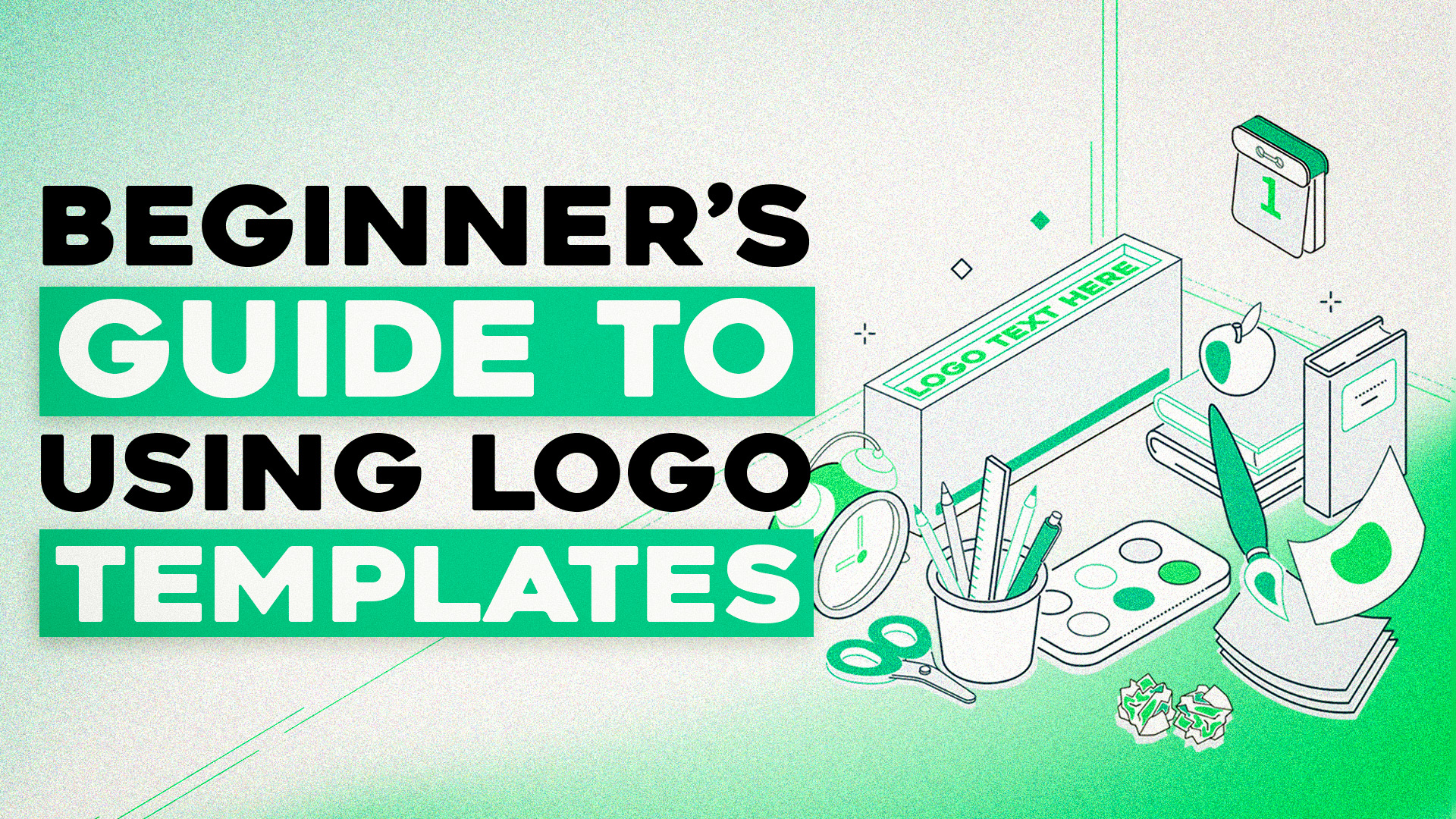
A Beginner’s Guide To Using Logo Templates for Fast, Affordable Branding
What if you could create a professional logo for your business in under an hour for less than $50? Most entrepreneurs think they must choose between expensive custom designs or amateur-looking DIY attempts.
Logo templates have revolutionized how small businesses approach branding. These ready-made designs, curated on an easy-to-use logo maker platform, let you create polished logos that look like they cost thousands. The best part? You can customize them to match your vision perfectly.
This guide will teach you everything you need to know about using customizable logo templates for fast branding. You’ll learn how to choose the right platform, customize templates like a pro, and create affordable logo designs that make your business stand out.
Ready to build a strong brand identity without breaking the bank? Let’s get started.
Why Logo Templates Matter for Entrepreneurs
Running a business means making tough choices about where to spend your limited time and money. Logo templates solve every entrepreneur’s biggest branding challenges by delivering professional results fast and affordably.
Cost-effective professional branding
A custom logo from a design agency costs between $500 and $5,000. Most startups can’t justify that expense when they still need to do inventory, marketing, and other operations.
Affordable logo templates cost between free and $100, giving you 90% of the quality for 2% of the price. This budget branding approach lets you invest your capital where it matters most.
Launch your brand in hours, not weeks
Traditional logo design is painfully slow. You brief a designer, wait for concepts, request revisions, and wait again. This process takes weeks or even months.
Fast logo design through templates works differently. You can browse hundreds of options, customize your favorite, and download professional files in under an hour. This is perfect when launching quickly or updating your marketing materials on a deadline.
No design skills required
Most entrepreneurs aren’t designers, and that’s okay. Easy logo customization tools work like simple apps with drag-and-drop editing. You can change colors, swap fonts, and adjust layouts instantly.
The preview updates in real time, so you see exactly what you’re creating. You no longer have to explain your vision through emails or hope a designer understands your feedback correctly.
Top Platforms for Customizable Logo Templates
Not all logo template platforms are created equal. The right choice depends on your budget, design needs, and how much customization you want. Here are two top platforms that consistently deliver professional results.
BrandCrowd

BrandCrowd specializes in customizable logo templates with over 100,000 designs focused on instant personalization. Their strength lies in industry-specific templates that feel tailored to your business type.
The platform makes customization simple. Change colors, fonts, shapes, and layouts through an intuitive interface that shows changes instantly. This real-time preview helps you make better design decisions faster.
BrandCrowd is backed by DesignCrowd, a design marketplace that has been connecting businesses with creative professionals since 2008. This experience shows in the quality of their BrandCrowd logo templates and the BrandCrowd logo maker tool.
When you subscribe, you get high-resolution files in both web and print formats. The platform also includes complementary branding materials like business cards and social media assets to keep your brand consistent across all touchpoints.
Here are some logo templates you can customize right now:
Creative Camera Photography by BrandCrowd
Halloween Vampire Bat by BrandCrowd
Eco Steering Wheel by BrandCrowd
Gorilla Security Police by BrandCrowd
Design.com

Design.com offers over 236,000 professionally designed templates, making it one of the largest AI-powered logo maker platforms. Its drag-and-drop editor lets users modify fonts, add gradients, and create curved text and custom shapes even without design experience.
What sets Design.com apart is its AI-driven personalization. The platform’s smart algorithms analyze your industry to recommend templates matching your business needs and style preferences. The AI-powered unlimited editing feature learns from your choices, helping you experiment and refine your designs until they’re perfect.
When you’re ready to download, you also get high-resolution files in multiple formats. PNG and JPG work great for websites and social media, while vector formats like SVG, EPS, and PDF ensure your logo looks crisp on everything from business cards to billboards.
Beyond logos, Design.com offers digital business cards, social media graphics like Facebook posts and Instagram stories, and professional printing services. This makes it easy to create a complete brand identity from one platform.
Check out these logo templates:

Filipino Cuisine Adobo by Design.com

Farmer Ranch Field by Design.com

Mount Fuji Japan by Design.com

Welder Industrial Forge by Design.com
How To Choose the Right Logo Template Platform
The platform you choose can make or break your logo design experience. Some offer better templates, others have superior editing tools, and pricing varies widely.
Here’s how to find the perfect logo template that matches your needs:
Start with your budget and must-have features
Free platforms give you access to thousands of templates with basic customization options. You’ll typically get PNG and JPG files, which work fine for most digital uses.
Premium platforms cost $20 to $100 but offer advanced editing tools and professional file formats like SVG, EPS, and PDF. These vector formats are essential for printing marketing materials or scaling your logo to different sizes.
Consider your industry, too. A tech startup might love clean, minimalist templates, while a bakery needs something warm and inviting. Make sure your chosen platform has plenty of options in your style.
Balance template variety with originality
Platforms with 50,000+ templates give you many choices, but it also means that your competitors might pick similar designs. The key is finding platforms offering large template libraries and customization tools.
Look for platforms that let you upload custom fonts, create custom color palettes, edit shapes, and adjust layouts extensively. The more you customize, the more unique your final logo will be.
Test the user experience and AI features
The best template in the world won’t help if you can’t figure out how to edit it. Look for platforms with intuitive drag-and-drop editors that don’t require design experience. Key features to test include real-time preview, unlimited revisions, and easy undo/redo functionality.
Some newer platforms include AI logo generators that analyze your business type and suggest relevant templates and colors. These tools can speed up your design process and spark creative ideas you might not have considered.
Understand usage rights and licensing
Commercial usage rights are essential for business applications. Most reputable platforms include full commercial licenses, but terms vary between free and premium options. Some platforms restrict the commercial use of free templates or limit file resolution.
Always review trademark and licensing agreements before finalizing your design. Ensure you understand modification restrictions, resale rights, or trademark registration capabilities.
Consider your long-term branding needs
Your logo is just the beginning of your brand identity. Platforms offering complete branding suites provide business card templates, social media graphics, letterhead designs, and brand guideline packages. These integrated solutions ensure your marketing materials look cohesive and professional.
Some platforms also offer professional printing services so you can order business cards, signs, and promotional materials directly from your designs. This saves time and ensures color accuracy across all your branded materials.
Step-by-Step Guide to Creating Your Logo
Creating a logo from a template is straightforward when you know the process. This guide shows you how to customize logo template designs, download file formats that work everywhere, and build a complete brand kit for your business.
Step 1: Find templates that match your industry

Start by using industry filters to narrow your search. Most platforms organize templates by business type, such as technology, restaurants, healthcare, retail, and professional services. For example, a restaurant owner might search “food logo templates,” while a tech company might explore “modern minimalist designs.”
Don’t just look at the icon or symbol. Consider whether the overall style matches your target audience. A law firm needs something completely different from a children’s daycare. Your template choice becomes the foundation for your entire brand identity.
Step 2: Make the template yours

Once you’ve chosen a template, it’s time to customize it. Start with the text by entering your business name and tagline. Then, adjust the font to match your brand personality. Professional services often work well with clean, serif fonts, while creative businesses prefer modern, sans-serif options.
When you customize logo template colors, think about what you want to communicate. Blue builds trust and professionalism. Green suggests growth and sustainability. Red creates urgency and excitement. Many platforms provide color palette suggestions based on psychology and industry standards.
Adjust the size and position of icons and text to create visual balance. Ensure your text stays readable when the logo is small, like on a business card or website favicon.
Step 3: Download the right file formats
After you’re happy with your design, download the logo file formats that work for different uses. PNG files with transparent backgrounds are perfect for websites and digital marketing. They look clean over any background color.
JPEG files are smaller and work well for basic online use, but do not support transparency. You need vector formats like SVG and EPS for print materials like business cards, brochures, or signs. These scale to any size without losing quality.
PDF versions are ideal for sharing with print shops or team members who might not have design software. Most platforms offer bundle downloads with multiple formats and resolutions.
Step 4: Create different versions for different uses

Your primary logo might not work everywhere. Create horizontal versions for website headers, vertical versions for social media profiles, and simplified versions for favicons or app icons.
You should also have a single-color version for situations where full color isn’t possible, like embroidery, stamps, or high-contrast printing. Some platforms offer animated versions that work well for websites and digital presentations.
Step 5: Organize your brand kit

Save all your logo files, color codes, and font information in one place. This brand kit becomes your reference guide for future marketing materials. Include hex codes for digital use, RGB for screens, and CMYK for printing.
Document your spacing guidelines and usage rules. This helps maintain consistency, whether you create materials yourself or work with designers and vendors later.
Many platforms automatically generate basic brand kits with your logo variations, color palettes, and font combinations. This documentation saves time and prevents costly mistakes down the road.
Pros and Cons of Using Logo Templates
Before you dive into template design, it’s smart to understand the benefits and limitations. Logo templates aren’t perfect for everyone, but they are ideal for many entrepreneurs and small businesses.
The advantages of using logo templates
The pros of logo templates make them appealing to most small businesses. First, they’re incredibly affordable. While custom design costs thousands, templates typically cost under $100 or are entirely free. Second, they’re fast. You can have a finished logo in under an hour instead of waiting weeks for a designer.
Templates are also beginner-friendly. You don’t need design training or expensive software. The drag-and-drop editors are simple enough for anyone to use. Plus, the customization options let you personalize colors, fonts, and layouts to match your vision.
The limitations you should know about
The main cons of logo templates revolve around uniqueness. Since templates are available to everyone, other businesses might choose similar designs. This creates a risk of looking generic, especially if you don’t customize enough.
Template limitations also include restricted editing options. While you can change colors and fonts, you can’t completely restructure the design. The basic layout and concept remain the same. Some templates also come with licensing restrictions that limit how you can use them.
Overcoming these challenges requires good customization choices and understanding how to make a template truly yours.
Enhancing Your Template for Unique Branding
A good template is just the starting point. With the right approach, you can customize logo templates further to create something that feels completely original. These unique branding tips will help you stand out from other businesses using similar templates.
Go beyond basic customization
Don’t stop at changing colors and fonts. You can customize logo templates further by adding custom elements that reflect your business. If the platform allows it, you can import your icons or graphics related to your industry or location.
Experiment with typography. Adjust letter spacing, line height, and text positioning to create a more distinctive look. You can even mix different font styles thoughtfully to achieve unique branding that feels intentional and professional.
Minor changes to shapes, lines, or proportions within the template can make a big difference. These details transform a standard template into something custom-made for your business.
Test your logo in real-world scenarios

Use mockup tools to see how your logo looks on actual materials. Platforms like Placeit show your logo on business cards, t-shirts, storefronts, and websites. This helps you catch sizing issues and ensures your logo works well in different contexts.
Create other brand materials that incorporate your logo elements. For example, design social media banners, email signatures, or simple flyers that use your logo’s colors and fonts. This builds a cohesive brand system and reinforces your unique branding across all customer touchpoints.
Apply your logo everywhere
Once your logo is finished, update every place customers might see your brand. Consistency is the key to building strong brand recognition and achieving unique branding.
Seeing your logo used consistently across different platforms helps them remember and trust your brand. Every interaction becomes an opportunity to strengthen your brand identity.
Plan for future growth
Think of your template logo as a smart starting point, not your final destination. As your business grows and your budget increases, you should work with a professional designer to refine your logo further.
A designer can make your template-based logo truly original. They can fine-tune details, ensure perfect balance and readability, and create a unique mark that evolves with your business. Your template logo gives you a solid foundation to build from, leading to more sophisticated, unique branding when you’re ready for that investment.
Start Building Your Brand Today
Starting your branding journey doesn’t have to be expensive or time-consuming. With logo templates, you have all the tools you need for fast branding and affordable logo design. You can create a professional look that resonates with your audience, even if you have no prior design experience.
Take the next step for your business and explore platforms like BrandCrowd. Play around with their templates, customize a few options, and see how quickly you can bring your brand’s visual identity to life.
Your customers are waiting to discover your business. Give them a brand they can remember and trust.
Read more on designs here:
- 50 Landscape Logos for Sleek and Scalable Branding
- Logo History: Popular American Hot Dog Brands
- How Visual Branding Directly Impacts Your Sales
FAQs on Logo Templates
1. Where can entrepreneurs find customizable logo templates?
Many online platforms offer customizable logo templates (and the good news is they’re often free to try!). Websites like Design.com and BrandCrowd allow you to browse and edit designs, often with plenty of customization options. You can find a wide variety of styles to suit different industries.
2. Are logo templates good for unique branding?
While logo templates provide a great starting point, achieving truly unique branding requires customization. Since many others might use the same template, it’s important to add your personal touches, such as unique colors, fonts, or icons, to make your logo stand out.
3. Can I use template logos commercially?
Most reputable logo template platforms allow commercial use of the logos you create, especially with paid plans. However, always check the specific licensing terms and conditions of the platform you are using to ensure you have the necessary rights for your business.
4. What file formats should I export?
For versatility, export your logo in both vector and raster formats. Vector files like SVG, EPS, or PDF are crucial for print and scalability without losing quality. In contrast, raster files like PNG (with transparent background) are ideal for web use, social media, and presentations.
5. When should I upgrade from a template to a custom logo?
Consider upgrading to a custom logo as your business grows and your brand evolves. If your current template logo feels too generic, your business goals have shifted, or you simply have the budget for a unique design, hiring a professional designer can create a more distinct and tailored brand identity.
Hannah Suroy suroy loves turning big stories into easy-to-digest articles about movies, TV, business, and more. These days, she mainly writes creative articles and insights focused on the world of design.
Original Artwork by Selwyn Legaspi