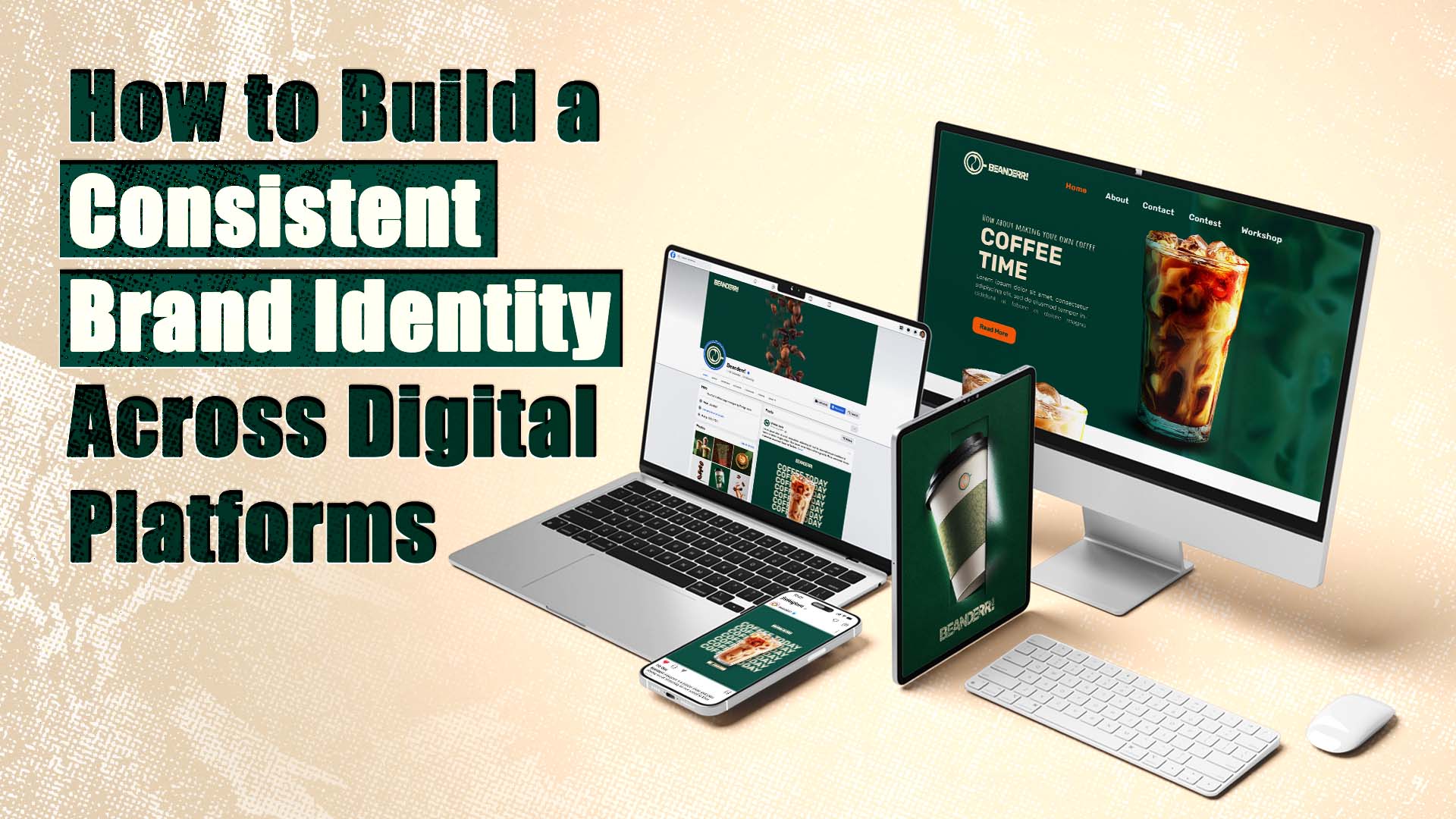
How to Build a Consistent Brand Identity Across Digital Platforms
The moment you hear “Just Do It”, Nike instantly pops up in your mind.
When you see the iconic bitten-apple logo, you don’t take a second guess to recall Apple.
Similarly, you spot McDonald’s golden arches from a distance and your taste buds crave a burger.
Kids feel it. Adults feel it. You and I feel the same. Do you know why?
It’s not just the logo, the slogan, or the product alone. It’s the consistent brand identity that makes customers’ experience familiar when they’re at a billboard, in the feed, on a newspaper page, or in a store. Thoughtful logo design can help establish a recognizable visual mark, while consistent use across touchpoints reinforces that familiarity.
Let’s discover what it means for your brand and how you can build and protect it to captivate your customers.
What Is Brand Consistency?
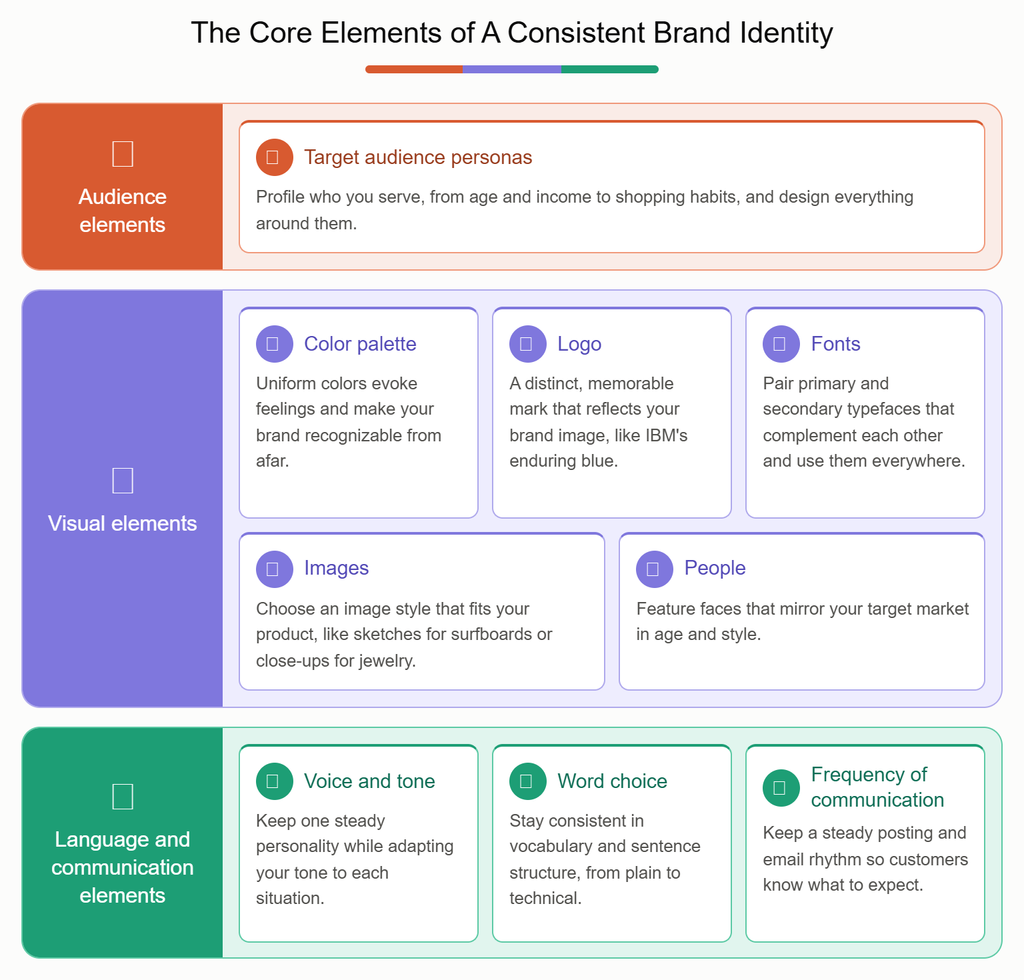
Brand consistency is how you let your brand wear its distinct style across all digital and offline channels. It’s about maintaining uniformity so that your target audience can easily recognize, remember, and associate with your brand. A consistent brand identity strengthens brand salience by keeping your brand top of mind when customers are ready to make a purchase.
Why a Consistent Brand Identity Is Important
You have just a few milliseconds to make a good first impression online. A strong brand identity helps you make those first moments count by creating a positive and memorable impression.
An iconic, strong, and consistent identity differentiates a household name from just another name in the crowded market. Here’s why maintaining consistency matters:
- Trust and recognition: Consistent brand identity helps customers recognize your brand across different touchpoints and become familiar with what you offer. When your visual identity or messaging changes frequently, it can confuse potential customers and weaken their trust in your brand.
- Credibility and loyalty: A consistent brand image builds credibility by giving customers a familiar and reliable experience across channels. When customers develop an emotional connection with your brand, they are more likely to remain loyal and recommend it to others through word-of-mouth marketing.
- Increased revenue benefits: Your brand’s consistent representation solidifies execution of marketing campaigns, easier product launches, and higher price tolerance. Eventually, it pays off by uplifting sales and meeting targeted ROI.
On the other hand, inconsistent branding can weaken customer trust, damage relationships, and eventually affect your sales. That’s a risk no brand should overlook.
How to Create a Unified Brand Identity Across Digital Channels
Keep your brand consistent in how it looks, sounds, and interacts with customers. This is how you build a recognizable brand identity across platforms.
Here’s how to make it happen:
1. Create unique brand guidelines
Your brand playbook is the backbone of your branding. With a comprehensive brand kit or guideline, you can decide your brand’s core elements: audience, personality, voice, positioning, and usage context. Ensure your brand is presented consistently across all customer-facing channels.
- First, start with a style guide to set language, message, voice, and tone to speak to your audience. Keep it organized so that your product, marketing, and legal teams can access it anytime.
- Next, document and centralize your design repository. Clearly define the dos and don’ts for every brand element, from color palettes and typography to UI/UX guidelines, templates, video and motion graphics, logos, and imagery.
However, brand consistency goes beyond logos, typography, and colors. If your business issues certificates or achievement badges, these should also follow the same brand guidelines.
For example, platforms like Certifier let you create branded digital credentials using your logo, colors, and design elements. This helps keep your brand recognizable even when recipients share their achievements on LinkedIn or other platforms.
2. Adopt a consistent brand personality
You may want to dominate the web and social media and own the physical shelves. Your specific brand personality should reflect everywhere.
For example, if your fashion brand has a youthful personality, your social media content can be witty and playful. Your billboard copy can use humor, while your blog posts can include lighthearted jokes without sounding forced or awkward.
An edTech brand, by contrast, may need a more serious and professional personality. Its visual identity, content, and communication style should reflect this through clear, informative, and trustworthy messaging.
This consistency is easy to recognize whether you look at a global fashion brand like Gucci or an established U.S. edTech brand like BrainPOP.
3. Increase repetition and exposure
Repeat your brand in all marketing touchpoints, whether it’s through organic or paid campaigns. Because what you see, you remember; what you don’t, you forget.
Subway built much of its brand identity around the simple promise, “Eat Fresh.” This message carries across its stores, advertising, packaging, and other customer touchpoints.
Its recognizable green and yellow color palette reinforces the brand’s association with fresh food, while its franchise model helps maintain a consistent brand presence across locations.
Together, these elements make Subway’s identity familiar to customers wherever they encounter the brand.
That’s how you can easily communicate your brand identity when you cleverly execute the right brand voice.
4. Fix your customer experience
The brand identity that you fix in your boardroom might not make sense in a chat, over a phone call, or at a service desk. It happens when your customers crave honesty, and you can’t market your way out of understaffed teams or poorly maintained stores.
At that point, you don’t need to rebrand your logo or the website. Avoid overwhelming your target audience with excessive posts or expensive advertising.
Instead, focus on improving customer experience through adequate staffing and proper team training. Consider informative workshops and client onboarding sessions, and conduct sincere brand audits regularly. Do it to build better customer relationships, not just to look right.
5. Refresh the brand positioning
Refresh it according to current market demands and let your customers relate to it. However, don’t do it to chase perfection; do it to gain remembrance and credibility.
Spotify was started for music fans who wanted home entertainment. But in 2020, when their ad revenue dropped fast due to their Swedish competitor, they entered the influencer space. They bought Megaphone, a renowned podcast hosting and distribution company, to target listeners via Spotify’s original podcast content.
Keep your audience interested by giving them fresh reasons to connect with your brand. Here, your community can strengthen brand recognition by engaging with and sharing your brand’s evolving identity.
What Happens When You’ve Poor Brand Consistency (With Examples)?
An inconsistent brand identity can weaken how customers perceive and experience your brand. Over time, this can erode the customer loyalty you’ve worked so hard to build.
Let me show you three real-world examples of what happens when brand identity goes wrong.
1. London 2012 Summer Olympics logo controversy
While the event was meant to drive enthusiasm, inspiration, and a sense of unity, the new logo brought considerable controversy. It was claimed that the jazzy logo lacked clarity, precision, and memorability and failed to connect with the Olympic or London’s identity. Within the first 48 hours, people had signed a petition to scrap it.
2. Tropicana’s redesign failure in 2009
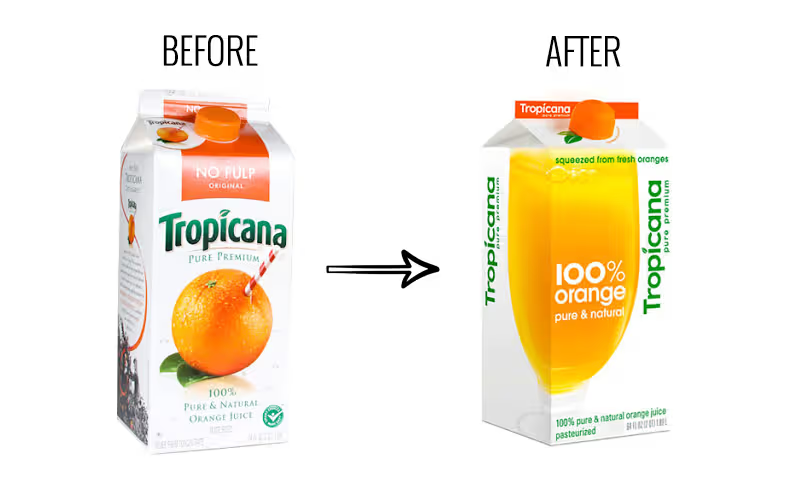
Tropicana’s packaging redesign triggered a strong customer backlash. They had introduced a new packaging to promote their best-selling product, Tropicana Pure Premium. The company reported a 20% drop in sales. Customers voiced their dissatisfaction across social media, prompting the company to abandon the new design and restore its original packaging.
3. JCPenney’s revenue plunge in 2012
This U.S.-based company has always focused on the in-store customer experience. But when Apple’s Ron Johnson became its new CEO, the company adopted a new strategy. Instead of offering coupons and discounts, which had long been a pillar of its sales strategy, it introduced “Fair and Square” pricing. The overlooked customer behavior made them experience roughly a 25% drop in sales within the first year.
These lessons show how inconsistent branding can bring an established brand to its knees.
Lessons You Can Take Away to Shape Your Brand Identity
Consistent branding just doesn’t happen like magic. It works when your ideas and execution are aligned. So, a few things are worth considering:
- Your brand positioning isn’t static. It needs to evolve with changing audience expectations and market trends. For example, the way you created YouTube banners 15 years ago may be different from how you do it today. The same design might not resonate with your audience now.
- Your marketing needs one story to build a consistent brand identity. To build that story, you can check and compare yours with your competitors. But make it authentic, adaptable, and customer-centric.
- Plug and play your marketing campaigns to know what entices your audience more. You can test it through social media content, signature packings, in-app messages, pre-built templates, and so on.
Final Word
If you don’t want to fade away just like another name in the market, prioritize building a consistent brand identity. But it doesn’t work only with super cool creatives, jingle slogans, or attractive logos. To be consistent across channels, you should align your brand playbook, the strategy, the franchise, and the internal system.
Most importantly, when your team is aware of what you are building and how you want to stay top of your customers’ minds, they can describe the brand identity in your customers’ language. Don’t compromise on it.
Build a consistent visual identity across every touchpoint with BrandCrowd. Create logos, social media graphics, banners, business cards, and other branded designs that reflect your brand’s personality.