Top Logo Design Trends in 2026
Logos are more than just pretty symbols. They are the face of a brand. As we move into 2026, logo design is not just about what looks good. It’s also about what works well in digital spaces, what reflects values, and what adapts to new technology.
In this article, we will examine the key trends influencing logo design in 2026. We’ll talk about why these trends matter, what the benefits are, and how you can choose the right trend for your brand.
Whether you are a designer, a business owner, or just curious, this guide should help you understand where logo design is heading.
Benefits of Following Logo Design Trends
Here is why keeping an eye on logo design trends is useful:
- Improved relevance: Following trends helps your brand feel current. By using design styles that are trending, you avoid looking outdated or out of touch.
- Better engagement: Trend‑aware logos often work better in digital spaces. For example, a dynamic or animated logo can grab attention online.
- Scalability and flexibility: Many modern trends (like responsive or adaptive logos) ensure your logo works across different platforms: mobile, web, and print.
- Emotional connection: Trends like nature-inspired or retro design help brands establish an emotional connection. These designs feel familiar or grounded.
- Competitive differentiation: By adopting emerging trends early, your brand can stand out in a crowded market.
- Future‑proofing: Logos designed with trend insight can adapt more easily to future design shifts, reducing the need for complete rebrands too often.
Top Logo Design Trends You Need to Know in 2026
In 2026, we’re seeing a few key trends gaining momentum. These are:
1. Fluid “crossovers” and negative‑space geometry
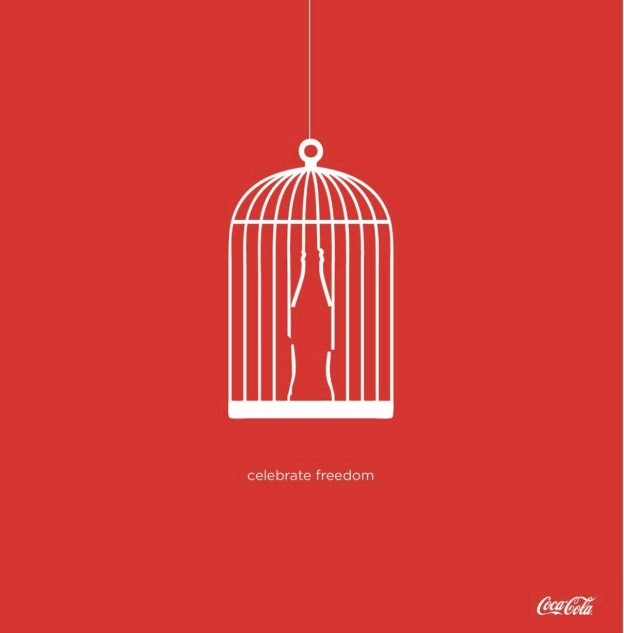
Designers are experimenting with overlapping shapes and clever use of white space. These logos often feature two layers or forms that intersect, revealing hidden imagery or letters. This style is ideal for brands that want to convey depth or multi-faceted meaning.
These crossovers allow for subtle storytelling. For instance, a company providing digital and physical services might use shapes overlapping in a Venn diagram style. This showcases dual expertise in one clean, stylish mark.
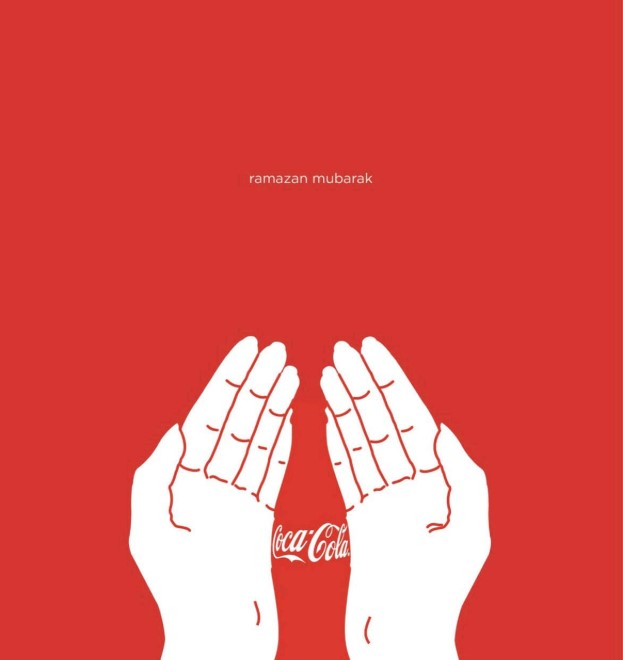
A great example of negative space in logo design is Coca-Cola. The flowing script and curved letters create a sense of movement and energy without adding extra shapes. It looks simple, but it’s carefully designed to feel friendly and timeless.
2. Expressive and artistic typography
Many logos use hand-drawn letters, unique shapes, and custom styles to stand out. This will give the brand a more personal and creative feel.
This expressive typography works well for brands that want to show personality and originality. It’s an excellent fit for small businesses, creative studios, or personal brands that want to feel different and memorable.
Get inspired by these famous logos that use artistic typography to stand out:
Disney
Ford
Calvin Klein
Cartier
3. Eco-mindful and nature-inspired patterns
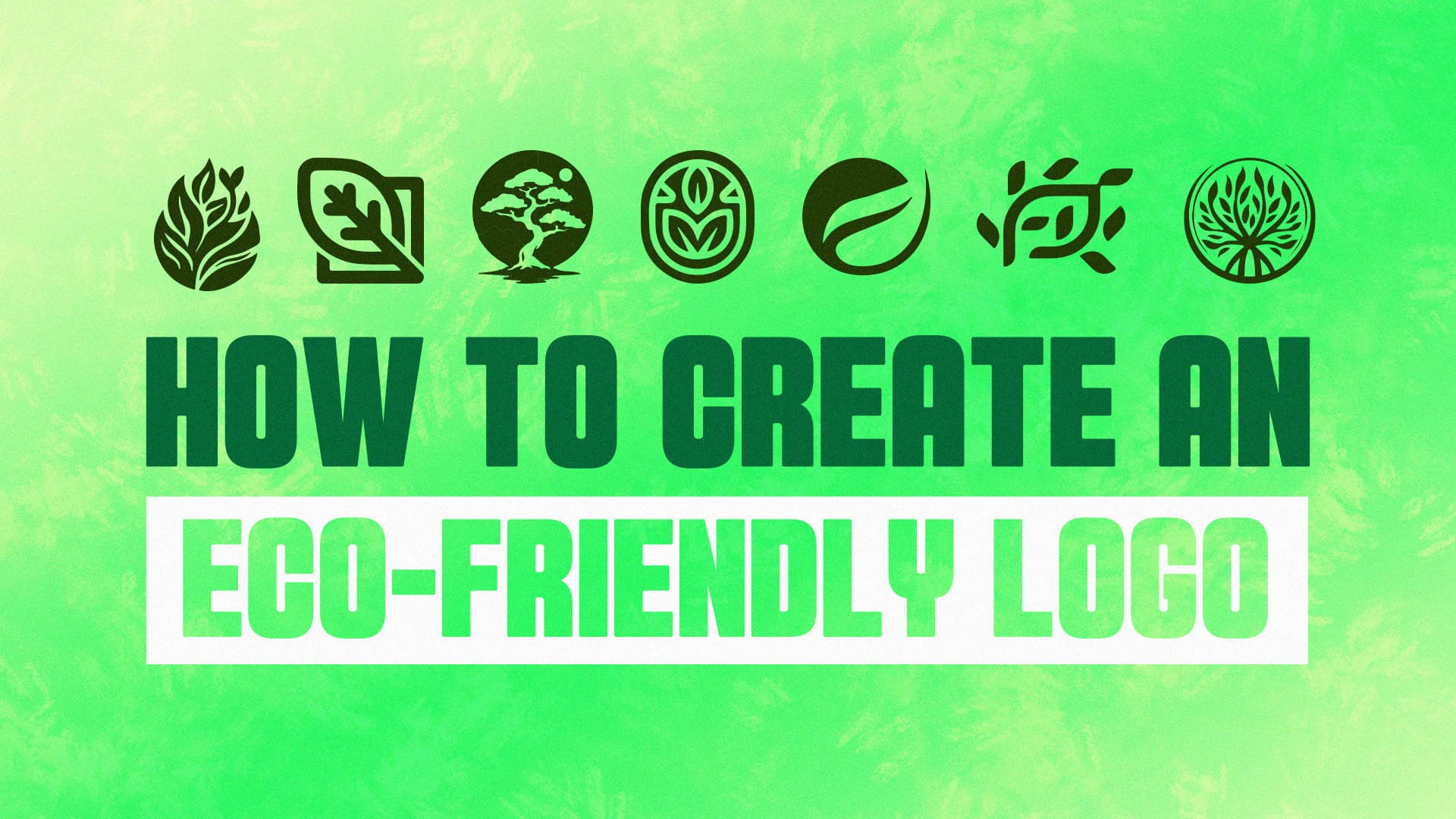
Today, more brands show they care about the planet by using nature-inspired designs in their logos. You’ll see shapes like leaves, waves, and even patterns that look like maps or hills.
These kinds of logos send a clear message. They tell people the brand values the environment and wants to stay connected to nature.
Get inspired by our nature logos:
Eco Nature Organic Play by BrandCrowd
Nature Eco Heart by Design.com
4. Depth, layering, and 3D effects
Logos with 3D details are becoming popular again. Designers are using shadows, layers, and soft gradients to make logos look more interesting and alive.
This style works well for tech, gaming, or media brands. It helps your brand feel modern, bold, and full of energy.
Here are some examples of how your 3D logo could look:
5. Bold color and geometric minimalism
Simple shapes and bright colors are a big trend in 2025. Designers use clean lines with bold shades like mint green, coral, or electric blue to make logos stand out.
This look is great for brands that want to be modern but still fun. The simple shapes keep things clear, while the colors add energy and help people remember the logo.
Here are examples of great geometric logos:
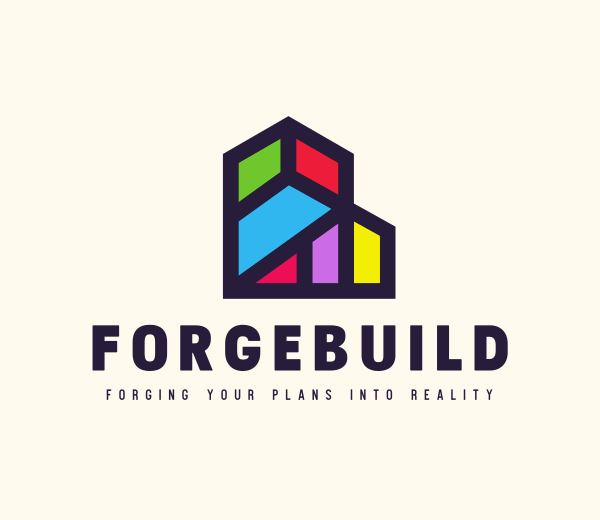
Property Geometric Building by Design.com
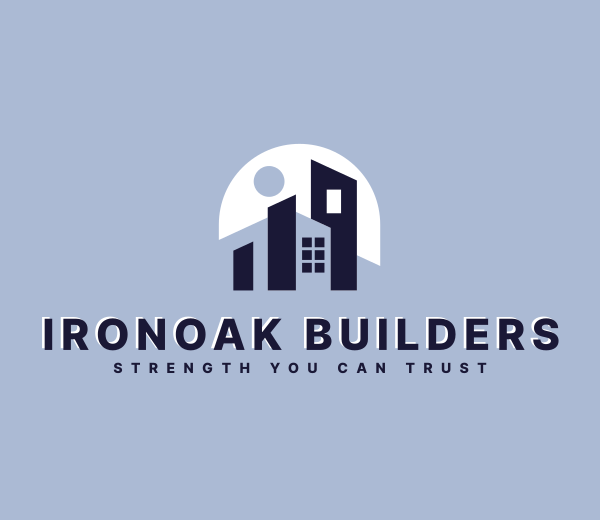
Geometric Building Property by BrandCrowd
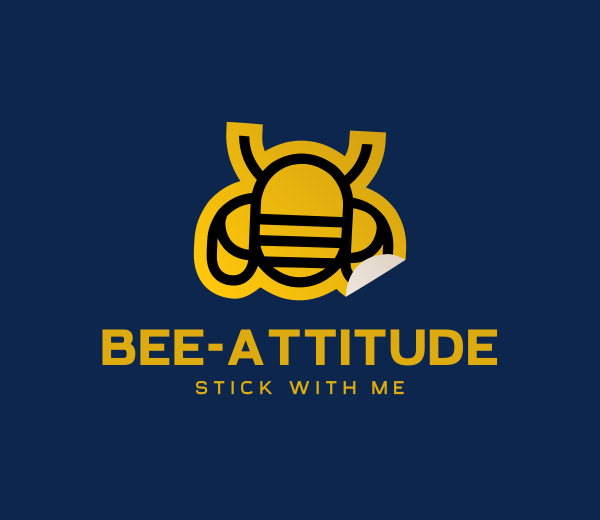
Geometric Bee Sticker by Design.com
6. Storybook gothic
Storybook Gothic logos feature whimsical, vintage-inspired typography with subtle flourishes, soft curves, or decorative serifs. This style evokes nostalgia, storytelling, and craftsmanship, making it ideal for artisanal, boutique, or creative brands.
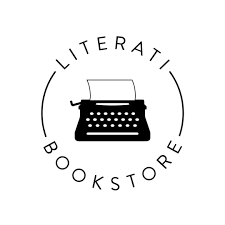
For example, this Literati Bookstore logo uses serifed, storybook-style typography with gentle curves to evoke a sense of charm and narrative. The logo creates a cozy and inviting atmosphere that aligns with the brand’s identity as a curated, boutique bookstore.
Tiffany & Co.
Vogue
Druthers Brewing Co.
How To Achieve: Choose a serif font with decorative flourishes, adjust kerning and curves for warmth, and add small ornamental details. Ensure legibility while keeping the handcrafted, nostalgic feel.
7. Line Art
Line art logos rely on thin or mid-weight continuous lines to form letters, icons, or abstract shapes. Negative space is often used cleverly, giving the logo a minimalist yet expressive character.
Calm, the wellness and meditation app, uses line-based illustrations and icons that are both simple and elegant. The logo communicates a sense of calm, balance, and modernity, while being adaptable across web, mobile, and print materials.
Bicycle Racer Line Art by BrandCrowd
Line Art Yoga Stretch by BrandCrowd
Man Smiling Line Art by BrandCrowd
How To Achieve: Focus on simplicity with clean lines, use negative space for creative effects, and keep proportions balanced. Test the design at small sizes to ensure clarity.
8. Stamp Logos
Stamp logos are emblem or badge-style marks, often circular, hexagonal, or shield-shaped. They communicate heritage, authority, and craftsmanship.
Ornamental Artisan Stamp by BrandCrowd
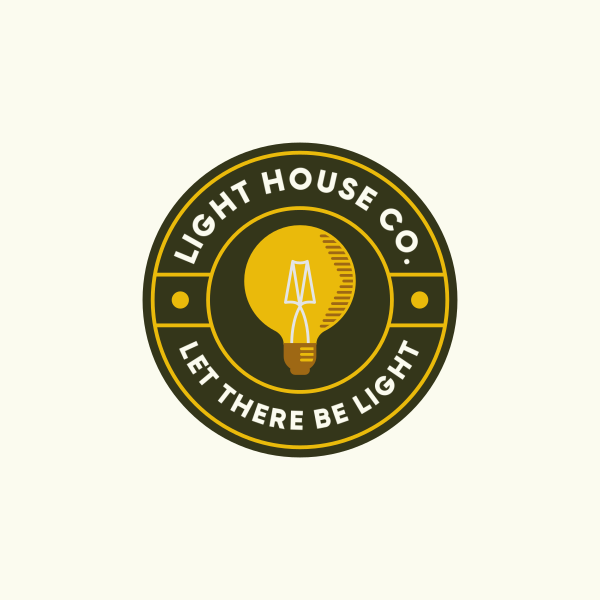
Round Light Bulb Badge by BrandCrowd
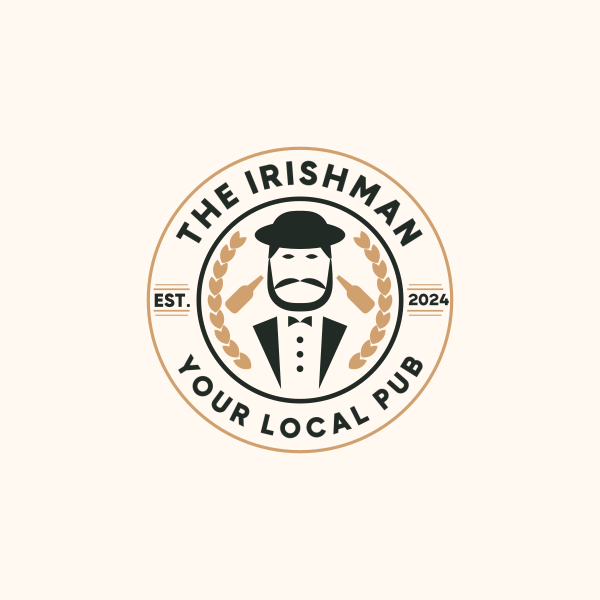
Bistro Bartender Badge by BrandCrowd
How to achieve: Start with a strong geometric shape, add the icon and brand name inside or around it, and consider textures or line work to suggest craft. Ensure the design is legible when scaled down.
9. Morph Logos
Morph logos subtly change shape, colour, or proportion depending on where they appear, while remaining recognisable. This gives a brand flexibility and a modern, dynamic presence.
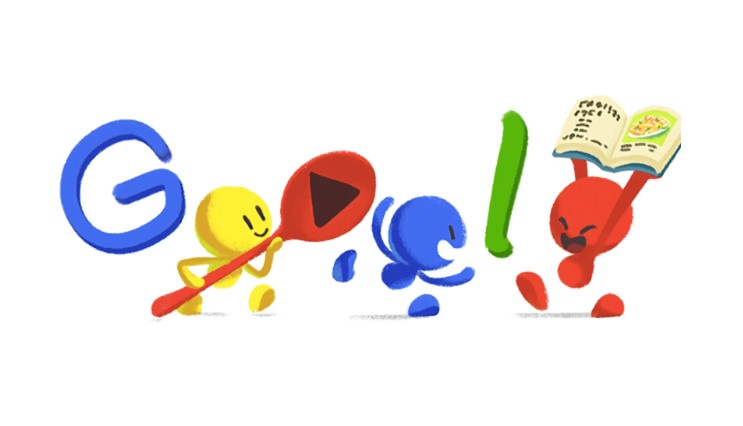
For example, Google Doodles morph daily to celebrate events, holidays, and anniversaries. The adaptable design maintains Google’s brand recognition while creating engagement and relevance across platforms and campaigns.
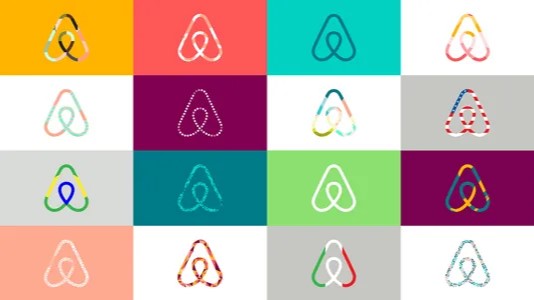
Airbnb’s logo adapted to communicate different destinations.
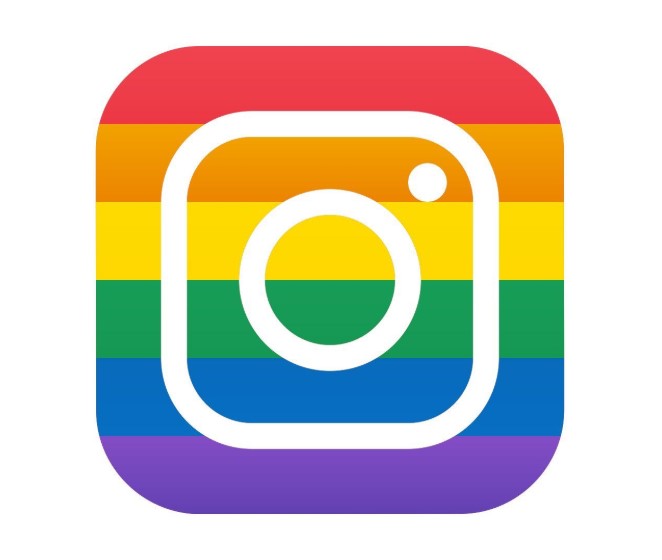
Instagram’s Pride logo
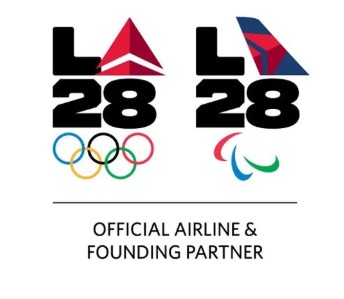
Delta’s L28 logos
How to achieve: Start with a flexible design that can subtly change while keeping core elements recognizable. Plan variations around key events, causes, or seasons (such as Pride Month, major holidays, or awareness days) so your logo can reflect support or inclusion without compromising your brand identity.
Use color shifts, small icon overlays, or slight shape changes, and ensure each version is tested for clarity and consistency across all digital and print formats.
Tips on Choosing a Logo Design Trend
Choosing the right logo trend is not just about following what’s “cool.” Here are some tips:
- Align with your brand purpose: Think about your brand’s mission and values. If sustainability is core to your brand, then eco‑aware or organic style logos make sense.
- Consider your audience: Who are you trying to reach? Younger, digital-first audiences might respond to animated or 3D logos, while a nostalgic demographic might like retro-futurism. If your target customers are engineers, designers, or manufacturers looking for 3d printing services, a sleek, professional, and precision-driven design aesthetic may resonate more strongly.
- Think about where your logo will appear: Will it be mostly on screen, or printed on packaging, or used in apps? That affects how flexible and detailed your logo should be. Emerging packaging design trends show how brands integrate visual identity and structural packaging to create stronger product experiences.
- Plan for adaptability: Trends evolve. Choose a design trend that allows for future changes. A dynamic or responsive logo system helps you stay flexible.
- Balance creativity with legibility: If you use custom typography or abstract shapes, make sure they stay easy to read and understand.
- Test across platforms: Always test how your logo looks in different contexts: mobile, web, print, and large signage. A design that looks great big might not work small.
- Work with the right designer: If you’re doing something trend-forward (like 3D or animated logos), work with a designer who understands both trend and technical execution.
Conclusion
Logo design in 2026 is all about balance: between simplicity and meaning, between digital and physical, between classical values and future technologies. The trends we see now reflect changing consumer behaviour, growing environmental awareness, and the rise of AI.
By staying aware of these trends, whether you go for adaptive logos, organic shapes, or bold colour palettes, you can build a brand identity that feels modern, flexible, and true to what your business stands for. However, remember that trends are tools, not rules. Use them in a way that makes sense for you.
Read more about logo design:
- How To Choose the Best Logo Design Based on Data
- How to Get a Modern Logo Design and Become A Big Brand
- What White Logos Mean for Modern Branding in 2026
FAQs: Logo Design Trends 2026
Should every brand follow the 2026 logo design trends?
No. Trends are not mandatory. Use trends that make sense for your brand’s identity, purpose, and audience.
Will a trendy logo look outdated quickly?
Not necessarily. If you design wisely (for example, with a system or variants), your logo can adapt and stay relevant.
How does AI influence logo design in 2026?
AI is helping designers generate adaptive or dynamic logos, create custom typography, and experiment with 3D or depth effects.
Are 3D logos harder to use in print?
They can be. That is why it’s smart to also design a flat or simpler version that works for small or physical use.
Can a logo be both minimal and expressive?
Yes. That’s exactly the idea behind “minimalism with a twist.” Add small handcrafted details or subtle textures to a simple form.
How much does color trend matter?
Colour trends are powerful. They influence how people feel about your brand. But the choice should be guided by your brand message and target audience, not just what’s popular.
Should I rebrand every time a new trend emerges?
No. Rebrands are costly and risky. Instead, build a logo system that can evolve (with adaptive versions, color variants, or icons) so your brand stays fresh without a total overhaul.
Shayne Jain is a content writer with 7 years of experience specializing in creating engaging and impactful content. Her passion for writing began at age 8, when she started crafting short stories and songs. You can find her kicking balls on the football field or immersed in a good video game when she’s not writing.
Header Image by Khim John Blazo