What Is Brand Reputation?
Brand reputation is the overall perception people have of your business based on their experiences, impressions, and what they hear from others. It’s built over time through your products, customer service, communication, reviews, and how consistently your brand delivers on its promises.
It shows up in the review a stranger reads before clicking “Buy,” the recommendation a customer shares with a friend, and the search results that appear when someone looks up your name for the first time.
Every interaction adds to that perception, from how you respond to complaints to how consistently your brand delivers on its promises.
Strong branding plays a major role in shaping those first impressions. Good logo design, a professional website, and consistent visuals across your marketing give people something recognizable to connect with and remember.
From there, reputation grows through consistent experiences, honest communication, and the trust people build with your brand over time. Positive reviews, repeat customers, and word-of-mouth recommendations all reinforce the identity your branding introduced in the first place.
Here are the key lessons behind building a brand reputation people remember, trust, and talk about.
Why Is Brand Reputation Important?
Brand reputation affects nearly every part of your business. Here is what a strong reputation actually does:
- It drives purchase decisions. Most buyers research a brand before they spend money. Positive reviews, credible testimonials, and a trustworthy online presence give people the confidence to move forward.
- It builds customer loyalty. Customers who trust a brand come back. They forgive occasional mistakes. They become the kind of advocates who recommend you without being asked.
- It creates a competitive advantage. Two businesses can offer the same product at the same price. The one with the better reputation usually wins. Brand credibility is a differentiator that competitors cannot simply copy overnight.
- It affects pricing power. Brands with strong reputations can often charge more because trust reduces buyers’ perceived risk.
What Shapes Brand Reputation?
Reputation is shaped by everything your business does, and a few things you cannot fully control. The factors with the most influence include:
Product and service quality. The most fundamental driver. If what you deliver consistently meets or exceeds expectations, your reputation reflects that. If it does not, no amount of marketing will compensate.
Customer support. How you handle problems matters as much as whether problems happen. A business that resolves issues quickly and honestly earns more trust than one that pretends issues do not exist.
Here’s a strong example of great customer service.
Chewy, the online pet retailer, is known for building a reputation around empathy and responsiveness. Customers often share stories about receiving handwritten sympathy cards or flowers after losing a pet, thoughtful gestures that were never requested but left a lasting impression. Actions like these show customers that the company is paying attention and treating them like people, not just transactions.
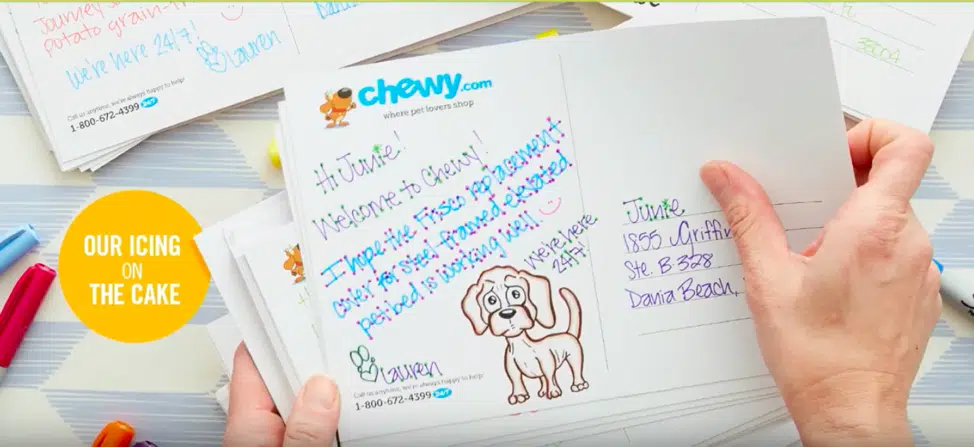
Building trust like that often starts with simple habits. Setting a clear response-time standard, even something as simple as replying within 24 hours, can have a major impact. Unanswered emails, reviews, or messages rarely go unnoticed.
Online reviews. Google reviews, Yelp, Trustpilot, and platform-specific ratings are often the first thing a new customer sees. A pattern of negative reviews damages your reputation even if your product is solid. A pattern of thoughtful responses to criticism signals that you care.
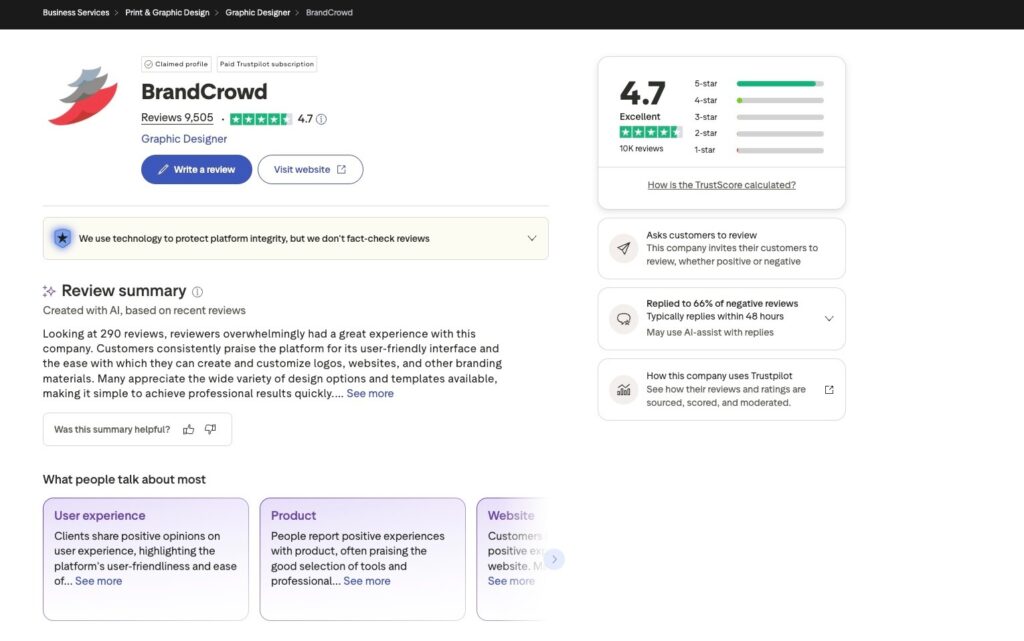
In this image, you can see that BrandCrowd holds a 4.7-star rating, helping strengthen its reputation as a trusted and reliable logo maker platform for small businesses.
It shows why reviews matter so much in building brand reputation, as strong customer feedback creates trust before a customer even decides to try the service.
Brand values and transparency. Customers increasingly care about whether a brand stands for something real. Transparent communication about mistakes, pricing, sourcing, or business practices builds credibility. Vague or evasive messaging erodes it.
Employee behavior. Your team represents your brand in every interaction. How they communicate with customers, handle complaints, and show up publicly reflects directly on the business.
Crisis response. How a brand behaves when something goes wrong is one of the strongest reputation signals of all. Accountability and honest communication during difficult moments build more trust than any campaign.
Brand Reputation vs. Brand Image: What Is the Difference?
These two terms are often used interchangeably, but they describe different things.
| Brand Image | Brand Reputation | |
| What it is | How you want to be perceived | How you are actually perceived |
| Who controls it | You | Your customers and the public |
| Where it lives | Your marketing, design, and messaging | Reviews, word of mouth, and public conversation |
| How it is built | Intentional presentation | Earned through experience over time |
Online Brand Reputation: Why Digital Touchpoints Matter More Than Ever
Most reputation-forming moments now happen online before a customer ever contacts you.
Your online brand reputation is shaped by:
- Google reviews and star ratings that appear in search results
- Social media comments and mentions, including those you are not tagged in
- Customer testimonials on your website and third-party platforms
- Forum conversations on Reddit, Quora, and industry communities
- Influencer and creator mentions, both positive and critical
- Search results for your brand name, including news articles and comparisons
- Review platforms specific to your industry
The challenge is that most of these conversations happen without your involvement. Social listening, the practice of actively monitoring what people say about your brand online, is one of the most practical brand reputation management habits a business can build.
How to Build a Brand Reputation
Building brand reputation is less about strategy documents and more about repeated, specific actions over time.
Keep your branding professional and consistent
Your logos, presentations, and business cards should all work together to create a clear and recognizable brand identity. Consistent branding helps customers instantly recognize your business and builds a sense of trust and professionalism.
Regularly updating your branding materials helps keep your business relevant, recognizable, and visually appealing over time.
Platforms like BrandCrowd and Design.com can help businesses refresh logos, brand visuals, and marketing assets as their brand continues to grow and evolve.
Deliver on your promises, every time
The fastest way to build trust is to do exactly what you say you will do. The fastest way to lose it is to over-promise and under-deliver. Audit what your website and marketing claim, and make sure your product or service actually matches.
Respond to customers quickly
Speed of response signals that you value people’s time. A reply within 24 hours, even just to acknowledge receipt, is a trust deposit. Silence is a trust withdrawal.
Ask for reviews, then act on them
Happy customers rarely leave reviews unless they are asked. Creating a simple follow-up process after a purchase or completed project allows customers to share feedback while the experience is still fresh. More importantly, acting on that feedback and showing customers that their input led to real improvements helps build trust and long-term loyalty.
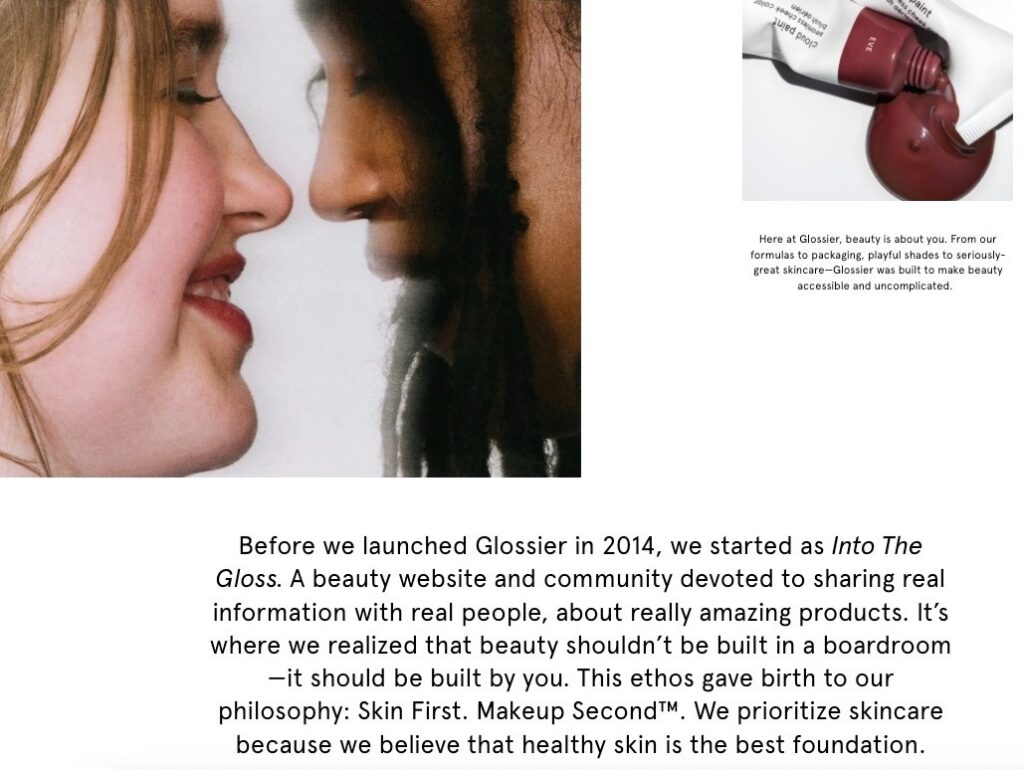
That approach is exactly what helped Glossier build such a loyal customer base. Instead of guessing what customers wanted, the company paid attention to conversations already happening in beauty forums, social media comments, and online communities. Products were developed around the needs and frustrations customers openly discussed, making people feel heard.
Communicate transparently
When something goes wrong, say so before customers have to ask. Brands that proactively communicate problems earn significantly more goodwill than those that go quiet and hope no one notices. The same principle applies when sharing performance data and industry insights—citing credible sources, such as WordPress statistics, helps build trust and demonstrates a commitment to transparency with your audience.
Show social proof
Testimonials, before-and-after results, and media mentions all help reduce the perceived risk of choosing your brand. Making those trust signals visible can strongly influence how confident people feel about doing business with you. In fact, many content marketing stats show that consumers are more likely to engage with and trust brands that showcase authentic customer experiences and third-party validation. It’s why the best fintech marketing agencies leverage UGC content with micro-influencers often, since trust is hard-earned.
Airbnb understood this early on by turning social proof into a core part of its platform. Its feed is filled with guest photos, reviews, ratings, and real experiences from travelers, making the brand feel more authentic and trustworthy with every scroll. Instead of relying entirely on polished advertising, Airbnb let its community shape how people perceived the platform.

Build a consistent brand voice
Whether someone reads your email, visits your website, or sees your social post, the tone and values should feel like the same brand. Inconsistency in your brand voice creates doubt.
How to Measure Brand Reputation
You cannot manage what you cannot see. These are the most practical ways to track how your reputation is trending:
- Review ratings and volume across Google, Yelp, and relevant platforms
- Review sentiment, meaning not just the stars, but the language customers use
- Net Promoter Score (NPS), which asks customers how likely they are to recommend you
- Customer retention rates, since loyal customers are a reputation signal
- Referral rates indicate that customers trust you enough to put their own name behind a recommendation
- Social mentions and comments, tracked through free tools like Google Alerts or more robust platforms
- Branded search queries, which show whether people are actively looking for you by name
- Response rates and resolution times in customer support.
Start Here: Your Brand Reputation Checklist
You do not need a reputation management agency to begin. You need a consistent habit.
- Search your brand name and read the first page of results
- Read your last 20 reviews, positive and negative
- Identify the two or three complaints that appear most often
- Respond to any unanswered reviews this week
- Set up a Google Alert for your brand name
- Create a simple process for asking happy customers to leave reviews
- Review your website’s promises against your actual customer experience
- Write a one-paragraph response template for your most common complaint
Pick one item from this list and do it today. Brand reputation is built in moments like this, small and consistent, over a long time.
How to Repair a Damaged Brand Reputation
Reputation damage is not always fatal, but recovery requires something most brands resist: full accountability.
The steps that actually work:
Acknowledge the issue directly. Vague non-apologies make things worse. Name what happened, specifically and honestly, without burying the admission in corporate language.
Apologize when you are wrong. A genuine apology, without deflection, is one of the most disarming things a brand can do. It signals maturity and earns more trust than defensiveness ever could.
A well-known example of reputation management is Sony’s response to the massive 2011 PlayStation data breach, where the personal information of 77 million users was exposed. Rather than staying silent, the company addressed the issue publicly, with Sony’s CEO personally apologizing and acknowledging the frustration customers were experiencing.

Sony also offered affected users a free month of PlayStation Plus along with identity theft insurance, showing customers the company was willing to take responsibility and respond with meaningful action.
Fix the root problem. An apology without a change is just PR. Find the cause and address it operationally, whether that means retraining staff, patching a security gap, or bringing in consultants for Oracle-based systems to rebuild how sensitive data is stored and accessed. Then communicate what changed. A tech PR agency can help coordinate that communication across customers, media outlets, and other stakeholders without losing sight of the need for transparency.
Rebuild through consistent positive actions. Trust, once broken, comes back slowly. It comes back through repeated experiences of a brand doing what it said it would do. There is no shortcut. Patience is the strategy.
Final Thoughts
Brand reputation is not a marketing project with a finish line but the ongoing result of how your business treats people, handles problems, communicates honestly, and delivers on its promises.
Building or rebuilding that reputation starts with the fundamentals: a strong visual identity, a consistent brand voice, an honest understanding of customer feedback, and a willingness to close the gap between what your business promises and what it actually delivers.
Branding tools and platforms like BrandCrowd can help create that professional foundation through logo design, websites, and branded content that make a business feel recognizable and credible from the start.
Strong brand reputation is built one interaction at a time, and the businesses that invest in it early are often the ones customers continue coming back to later.
Read more on branding here: