What Is Personal Branding and How Does It Benefit Your Business
Running a business is tough. It’s even harder when you’re the face of it. Customers, partners, and investors don’t just look at your company; they look at you. That’s where personal branding comes in.
In 2025, personal branding isn’t just a nice-to-have. It’s a core part of doing business. People Google your name before they work with you. They check your LinkedIn, your posts, and your tone. They’ll move on to someone else if they can’t see a clear, consistent picture of who you are and what you stand for.
This can feel overwhelming for small business owners, freelancers, and entrepreneurs. You don’t have a PR team. You don’t have endless time or money to polish your image.
But you do have something powerful: your story. You build trust and open doors when you learn how to share it consistently and professionally. One practical way to start is by establishing a visual identity with a logo maker, which can help you create a professional mark that represents you across all platforms.
This article will explain what personal branding means today, how it relates to business growth, and the practical steps to build one without overspending your budget.
What Is Personal Branding?

Personal branding is the reputation you build for yourself. The combination of your skills, values, personality, and presence influences how others perceive you. In the past, people relied on resumes or word of mouth to communicate their professional brand identity. That’s not enough anymore.
Today, your online presence is your first impression. Before someone meets you, they know how you position yourself on LinkedIn. They see what you post on Instagram. They remember how your website looks. That’s your personal brand at work.
For entrepreneurs, founders, and freelancers, this matters even more. Your business is tied to your name. When people trust you, they’re more likely to trust your product or service.
Personal branding vs. business branding
It’s easy to confuse personal and business branding, but they’re not the same.
- Business branding is your company’s identity. It includes your logo, colors, messaging, and presentation.
- Personal branding is your identity as a founder, leader, or representative. It’s your voice, story, and how you connect with people.
The two overlap. A strong personal brand enhances your business brand. Think about well-known founders: Richard Branson, Sara Blakely, and Steve Jobs. Their personal reputations significantly influence how people perceive their companies.
This applies even at a smaller scale. A freelance designer with a clear personal brand will attract more clients. A local café owner with a trusted presence on social media will build stronger loyalty than a nameless brand account.
Why personal branding matters more than ever
The digital world is crowded. Customers have endless options, and businesses are fighting for attention. Personal branding cuts through that noise.
Here’s why it matters in 2025:
- Digital trust: People are cautious online. They want to see a real person behind the business.
- Thought leadership: Sharing ideas, not just products, sets you apart. People follow people, not faceless brands.
- Client acquisition: Strong personal branding makes landing clients, investors, and partnerships easier. It gives others confidence in your expertise.
In short, people don’t just buy what you sell. They buy who you are.
The Benefits of Personal Branding for Your Business
Personal branding isn’t just about looking good online. It’s about building a foundation of trust that supports your business in real ways. Here’s how it pays off:
Builds trust and credibility with customers
People buy from people they trust. A clear personal brand shows customers who you are. It gives them an idea of what you value and why they should work with you. Your online presence matches how you act in real life, creating confidence.
For example, a consultant who shares case studies and honest insights on LinkedIn shows credibility. That makes potential clients more comfortable reaching out.
Differentiates you in saturated markets
Most industries are crowded. Hundreds of similar businesses are offering the same thing you do. Your personal brand becomes the deciding factor.
Say you run a fitness coaching business. Many fitness coaches offer personalized workout plans. But you stand out if you share your personal story, values, and unique coaching style. People choose you because of who you are, not just the service.
Attracts high-value clients and opportunities
A strong personal brand acts like a magnet. It attracts not only more clients but also the right kind of clients. High-value clients typically seek more than just a product; they want to work with someone who feels credible and aligned with their goals.
This applies to partnerships, too. A business owner with a visible and trusted presence is more likely to be invited to collaborate, speak at events, or join new ventures.
Strengthens your business brand’s authority
Your personal brand and your business brand support each other. When people respect you as an individual, it boosts their perception of your company.
Think of it this way: if you run a design agency and you’re known for sharing helpful design tips on social media, it doesn’t just make you look good; it also makes your agency look more trustworthy.
Increases visibility across search engines and social media
When someone searches your name or business, what do they find? A strong personal brand ensures they see consistent, professional results. This makes it easier for customers to discover you and harder for competitors to overshadow you.
Posting regularly, keeping your LinkedIn profile polished, and having a website with your name on it all contribute to search visibility.
Drives long-term loyalty and advocacy
Clients don’t just remember the service you provide. They remember how you made them feel. A personal brand that reflects authenticity and care builds loyalty. Loyal clients turn into advocates who recommend you to others, which is one of the strongest forms of marketing you can get.
Core Elements of a Personal Brand
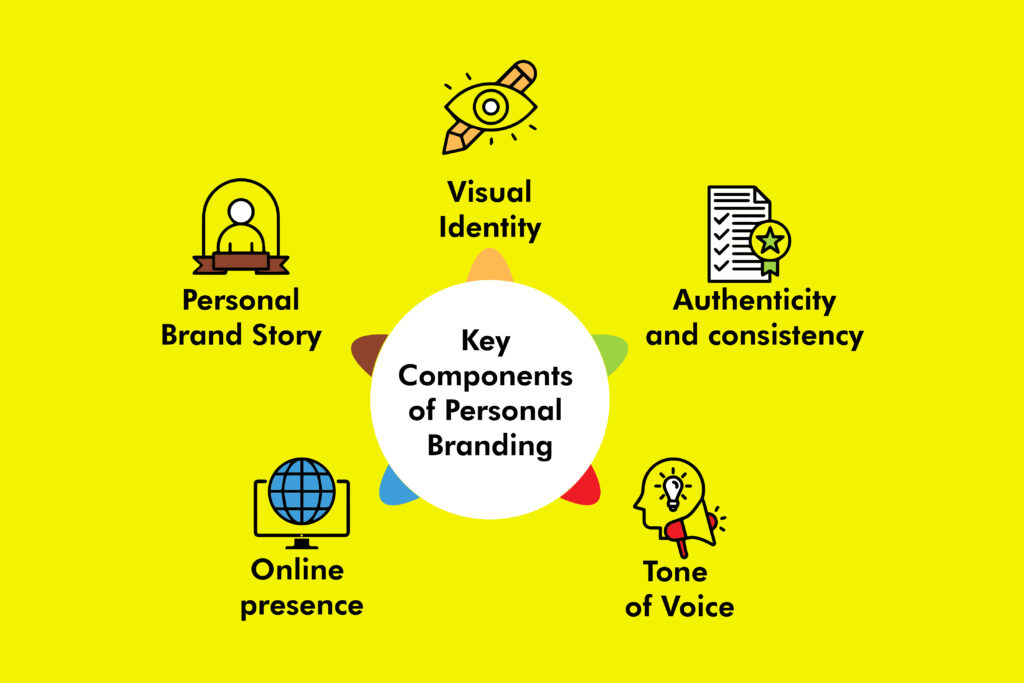
A personal brand isn’t built overnight. It comprises pieces that work together to create a clear, consistent image. Think of it like building blocks: each part adds strength.
Here are the core elements every business owner, freelancer, or entrepreneur needs:
Visual identity
The way you look online matters. Visual identity is the first thing people notice. It covers your logo design, brand colors, fonts, and even the style of photography you use.
You don’t need an expensive design agency to get this right. Tools like BrandCrowd can help you create a professional logo and build a matching identity in minutes. Once you choose a style, stick with it everywhere: from your website to your business cards. Consistency makes people remember you.
Personal brand story
Your story connects you to people. It’s not just about what you sell but why you do it. Share your mission, the values that guide your work, and a little about your journey.
For example, a bakery owner who shares that they started baking with their grandmother has a stronger connection with customers than someone who only posts about products.
Stories make people feel something… and feelings build loyalty.
Online presence
Your online presence is your digital storefront. Most people will meet you here before they meet you in person. At a minimum, you should have:
- A simple website with your name, services, and story.
- A polished LinkedIn profile with a professional photo and updated details.
- One or two active social media accounts where your audience spends time.
You don’t have to be everywhere. Select the channels that matter most to your audience and appear consistently.
Tone of voice and communication style
How you say things is just as important as what you say. Your tone of voice should reflect your personality and values. Are you friendly and casual? Professional and direct? Inspiring and motivational?
Once you’ve decided, use that same voice consistently across all channels, including emails, posts, and conversations. Consistency makes your brand feel more reliable.
Consistency across all channels
Many people slip up here. They use one logo on LinkedIn, another on Instagram, and a completely different style on their website, which confuses people and weakens trust.
Consistency is the glue that holds your brand together. Ensure that your visuals, story, tone, and presence are consistent throughout. That way, no matter where someone finds you, they see the same person.
Step-by-Step Guide to Building Your Personal Brand
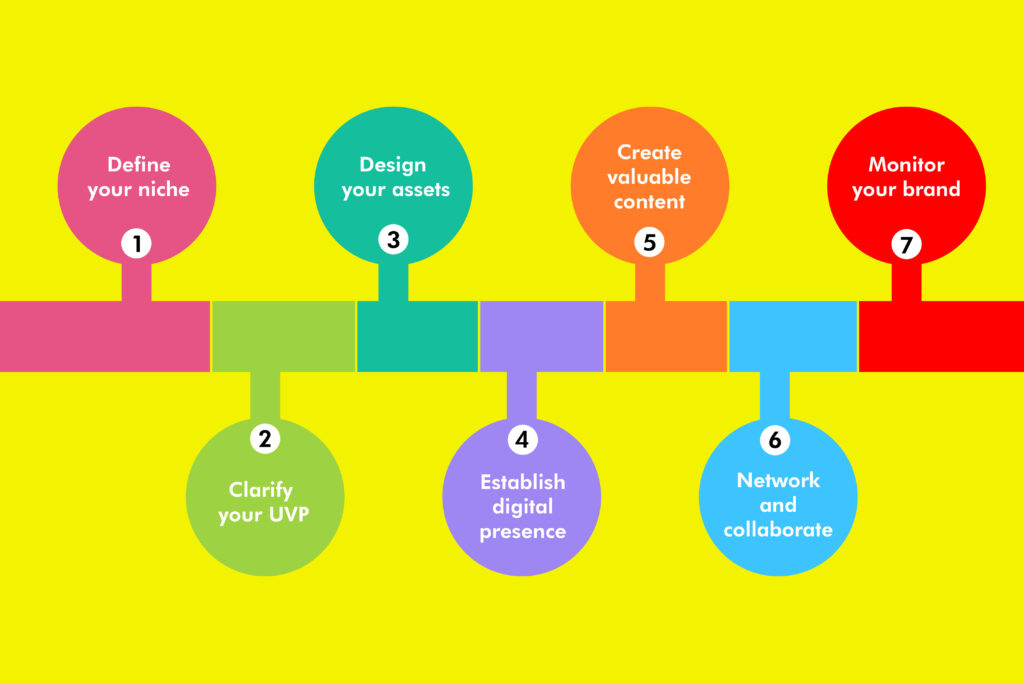
Building a personal brand takes time, but it doesn’t have to be complicated. If you break it into steps, it’s easier to manage and more effective in the long run.
Here’s a roadmap you can follow:
Step 1: Define your niche and audience
The first step is knowing who you want to reach. Your brand won’t connect with everyone, and that’s okay. What matters is being clear about your niche and your audience.
Ask yourself:
- Who do I want to serve?
- What problems do I solve for them?
- What makes me different from others offering the same thing?
For example, a photographer might focus on small business branding instead of weddings. Narrowing the niche, targeting the right clients, and speaking their language is easier.
Step 2: Clarify your value proposition
Once you know your audience, define what you offer them. Your value proposition is a clear statement explaining why someone should choose you.
It should answer three questions:
- What do you do?
- Who do you help?
- Why are you the right choice?
For instance: “I help small businesses build a strong online presence through affordable, custom website design.” Short, clear, and easy to remember.
Step 3: Design your visual identity
Your visual identity is your brand’s outfit. It’s how you present yourself to the world. Start with a logo that reflects your style and values, then add colors, fonts, and design elements that feel consistent.
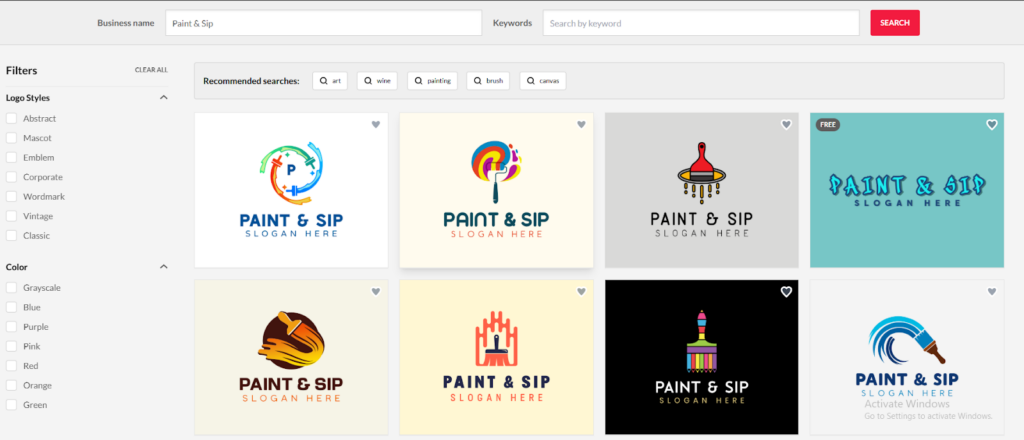
BrandCrowd’s logo maker is a good tool if you’re on a budget. It allows you to create a professional logo in minutes and use matching templates for business cards, flyers, and social media posts. This gives your brand a polished, unified look without hiring a designer.
Step 4: Establish your digital footprint
A strong personal brand lives online. Set up your digital foundation with three essentials:
- Website: Your hub. Even a simple one-page site with your story, services, and contact info works.
- LinkedIn: The go-to platform for professionals. Keep it updated with a clear headline, summary, and photo.
- Social media: Choose 1–2 platforms where your audience spends time. Post regularly, share value, and engage.
Think of these as your online business card; they should work together to present a consistent, professional image.
Step 5: Create valuable, authentic content
Content is how people discover you. Share insights, tips, stories, or experiences that show your expertise. The key is to be valuable and real.
You don’t need to post every day. Quality matters more than quantity. Blog posts, LinkedIn updates, short videos, or even email newsletters can all build credibility.
Step 6: Build authority through networking and thought leadership
Your brand grows faster when others see you as an authority. Networking, collaborations, and thought leadership all help with this.
Ways to build authority:
- Guest posting on blogs or industry sites
- Speaking at small events or webinars
- Joining relevant communities and sharing advice
- Partnering with other professionals for projects
These actions expand your reach and reinforce your expertise.
Step 7: Monitor, adapt, and evolve your brand
Your personal brand isn’t static. It will grow as you do. Make time to review your brand every few months:
- Are your visuals still consistent?
- Does your content match your current goals?
- Are you attracting the right audience?
Be willing to adjust as your business evolves. The best personal brands stay authentic but adapt to new trends and opportunities.
Personal Branding Examples in 2025
Here are four examples you can copy or adapt. Each one shows the setup, the actions, and quick wins you can try.
Scenario 1: Entrepreneur with a strong LinkedIn presence
Setup: Founder of a B2B service. Uses LinkedIn as the leading platform to reach clients, partners, and investors.
Actions:
- Polished headlines and summaries that say what they do and who they help.
- Weekly long-form posts with clear takeaways, and short daily updates that share micro-lessons.
- Replies to every meaningful comment and messages selectively to build relationships.
- Result: Regular inbound leads, panel invites, and more credibility with prospects.
Quick checklist: update headline, publish one long post weekly, and spend 15 minutes engaging daily.
Scenario 2: Small business owner combining personal and business branding
Setup: Owner of a local interior design studio. They use both a business account and their personal profile to tell the same story.
Actions:
- Website shows the owner’s photo on the About page and client case studies with their byline.
- Social content mixes finished projects with behind-the-scenes posts showing the owner at work.
- Local press outreach framed around the owner’s personal story (why they started).
- Result: Strong local loyalty, more referrals, and occasional features in local magazines.
Quick checklist: add founder photo to website, post 2 BTS stories per week, pitch one local outlet monthly.
Scenario 3: Freelancer using personal branding to attract global clients
Setup: Freelance copywriter working remotely, wants higher-fee clients.
Actions:
- Portfolio site with three detailed case studies that show measurable results.
- Optimized LinkedIn and portfolio for niche keywords (e.g., “copywriter for fintech startups”).
- Uses short video samples and client testimonials on social and proposals.
- Result: Higher conversion rate, fewer low-budget inquiries, and better client fit.
Quick checklist: publish one full case study, collect three testimonials, optimize headline for niche keywords.
Writing Feather Pen by Design.com
Feather Writing Publishing By BrandCrowd
Writing Feather Stationary by Design.com
Scenario 4: Thought leader leveraging a personal brand for media opportunities
Setup: A digital marketing expert who wants speaking engagements and to do media work.
Actions:
- Regular newsletter and long-form posts that show a point of view on industry trends.
- Repurposes content into podcast guest pitches, op-eds, and LinkedIn threads.
- Builds a simple media kit with topics, bio, headshot, and past appearances.
- Result: More podcast invites, speaking gigs, and press mentions that feed back into client leads.
Quick checklist: build a one-page media kit, pitch three podcasts, repurpose one article into five micro-posts.
Bright and Colorful YouTube Banner by BrandCrowd
Work for It YouTube Banner by BrandCrowd
Focus on the Positive YouTube Banner by BrandCrowd
Strategies to Strengthen Your Personal Branding in 2025
These practical, low-cost tactics work for small teams and solo founders.
Social media storytelling and microcontent
Commit to regular, helpful posts. Tell short stories that show how you work, not just what you sell. Break long content into micro-posts, short videos, and carousel images. Repurpose one long idea into multiple small posts. This keeps your presence active without burning time.
Practical steps: pick one main channel, post 2–3 short items weekly, and recycle a main article into five micro-posts.
Thought leadership and content marketing
Be the person who says something worthwhile. Publish case studies, opinion pieces, and how-to posts that make your expertise obvious. Use simple formats that scale: a weekly LinkedIn thread, a monthly blog, or a short newsletter.
Practical steps: publish one substantial piece monthly, share it across channels, and tag or mention people who might add value.
Podcasts, webinars, and speaking engagements
Audio and live formats build familiarity fast. Start small: host a webinar, join a local panel, or guest on niche podcasts. These formats also create content you can reuse (clips, quotes, summaries).
Practical steps: Create a 30-60 second pitch and apply it to four relevant podcasts or events per month.
Building partnerships and collaborations
Partner with complementary businesses to widen your reach. Co-host a workshop, offer a guest post swap, or run a joint promo. Collaboration multiplies your exposure without high ad spend.
Practical steps: identify three potential partners, propose one low-risk collaboration, and promote it together.
Leveraging AI tools to scale personal branding
AI can accelerate idea generation, outlining, and content repurposing. Use it to draft topic ideas, create social captions from long posts, and generate content calendars. Use it to draft topic ideas, create social captions from long posts, generate content calendars, and even create your professional headshots to save on headshot costs. But always edit for your voice. AI should help you produce more, not replace your perspective.
Practical steps: generate 10 content ideas with AI, pick 5, turn each into three micro-posts, then edit for voice.
Common Personal Branding Mistakes To Avoid
Building a personal brand isn’t just about what you do. It’s also about what you avoid. Here are the most common mistakes that weaken your brand:
- Inconsistent branding: Switching logos, changing colors, or using different tones across platforms confuses people. You lose credibility if your LinkedIn profile looks professional but your Instagram profile is chaotic. Stick to one visual style and one voice.
- Lack of authenticity: Trying too hard to copy others makes your brand feel fake. People can sense when you’re putting on a mask. Share your real story, values, and opinions, even if they’re simple. Authenticity attracts the right audience.
- Ignoring audience feedback: Your audience tells you what’s working by how they react. If nobody engages with your posts, or if clients keep asking the same clarifying questions, it’s a signal to adjust. Don’t ignore the data.
- Overemphasis on self-promotion vs. value creation: People tune out if every post is about you, your wins, and your services. Focus on creating value first. Share advice, stories, or lessons that help others. When people trust your value, they’ll remember what you offer.
- Neglecting visual identity: Some entrepreneurs put effort into content but ignore design. A blurry profile photo or inconsistent fonts make you look less professional. Visuals don’t need to be expensive, but they do need to be clean and consistent.
Measuring the Impact of Personal Branding

Personal branding can feel abstract, but you can track its impact. Use both complex numbers and soft signals to measure progress.
Tracking visibility and reach
Check how many people see your content. Metrics like impressions on LinkedIn, followers gained, or website visits indicate whether your brand is gaining traction.
Engagement metrics (social + website)
Reach is good, but engagement is better. Look at likes, comments, shares, and time spent on your website. High engagement means people actually care about your message.
Client acquisition and conversion impact
Does your personal brand bring in leads or clients? Track how many inquiries mention your content or personal reputation. Add a “How did you hear about me?” form field. This shows whether your brand drives business.
Long-term reputation growth
Some impacts are more challenging to measure, but just as important: invitations to speak, interview requests, or referrals from people you’ve never met. These signs indicate that your personal brand is expanding beyond your direct network.
Tips to Grow Your Personal Brand Faster
Building a personal brand is one thing. But to establish your digital footprint and grow is an entirely different challenge. Many entrepreneurs and professionals start strong but hit a plateau once the initial excitement fades. This is why many individuals turn to personal branding services to strengthen their online presence, improve visibility, and create a more consistent brand identity. It takes more than just a nice logo or a few social media posts to stand out in a crowded space. The key to success is consistency, visibility, and value.
If you want your personal brand to grow faster, here are six actionable tips that can help you gain traction and stay ahead.
1. Be consistent across all platforms
Your personal brand should be consistent across all platforms, from your website and LinkedIn profile to your email signature and Instagram bio. Consistency builds recognition, which builds trust.
Use the same profile photo, color scheme, and tone of voice across your platforms. If your brand’s personality is approachable and helpful, that should reflect in every caption, comment, and reply you post. Think of it as creating a familiar experience for your audience every time they encounter your name. If you want a more polished and cohesive look, consider hiring a graphic designer to help you refine your visual identity and maintain consistency across all touchpoints.
2. Create content that solves problems
The fastest way to grow your brand is to help people. Instead of posting random updates, focus on content that directly addresses your audience’s pain points. This positions you as a problem-solver, not just another voice on the internet.
For example:
- A fitness coach can post “5 Quick Meals for Busy Professionals” on their TikTok video
- A freelance designer can share “Common Logo Mistakes Small Businesses Make” as a blog post on their website
- A financial advisor can explain “How to Save for Retirement Without Cutting All the Fun” on their YouTube channel
When your content consistently helps people, they’ll start coming back and sharing your posts with others.
3. Collaborate with other creators
Partnering with others is a shortcut to expanding your reach. Collaboration introduces you to new audiences who already trust the person you’re working with.
You can do this through:
- Guest posts or podcast appearances
- Joint webinars or live sessions
- Cross-promotions or shoutouts on social media
Choose collaborators whose audiences complement yours. For example, a brand photographer could team up with a social media strategist to co-host a session on “How to Build a Visual Brand Online.” Both benefit from new exposure while delivering more value together.
4. Show the person behind the brand
This may seem like redundant advice since we’ve been discussing personal branding. But what we mean is a glimpse into your personal life away from your brand. Sharing glimpses of your real journey, values, and even your mistakes makes you more relatable and memorable.
This doesn’t mean oversharing your private life. Instead, show your process: how you approach projects, lessons you’ve learned, or what motivates you to do what you do. For instance, posting “Before & After” stories, a behind-the-scenes look at your workday, or reflections on client success stories can humanize your brand and make it more engaging.
5. Engage with your audience every day
Growth doesn’t come from posting and disappearing. Replying to comments, answering messages, and joining conversations are what keep your brand alive. Engagement tells the algorithm you’re active, but more importantly, it tells your audience you care.
Set aside 10–15 minutes a day to respond thoughtfully to comments or participate in industry discussions. Even small gestures, such as thanking someone for sharing your post, can create loyal followers who advocate for your brand in the long term.
6. Keep learning and adapting
The digital landscape changes fast. What worked for your brand last year might not work today. Keep learning new tools, experimenting with formats, and tracking what resonates most with your audience. You can also explore startup resources at We Are Founders to stay updated with strategies, tools, and insights that support continuous growth.
Try mixing your content: short videos, carousels, infographics, and newsletters, to see which formats get the most traction. Keep an eye on analytics: if a specific post type or topic performs well, double down on it. Brands that evolve with the times are more likely to survive and lead.
How to Maintain a Strong Personal Brand
Once your personal brand starts gaining traction, the challenge shifts from building it to maintaining it. Growth brings new followers, opportunities, and attention, but it also means higher expectations. Staying consistent while continuing to evolve is what turns a good brand into a lasting one.
Here’s how to keep your personal brand strong, relevant, and respected over time.
1. Revisit your brand goals regularly
Your goals at the start may not match where you are now. Revisit them every few months to ensure your personal brand continues to reflect your current priorities.
Ask yourself:
- Does my message still fit my direction?
- Has my audience or niche shifted?
- Am I creating the kind of opportunities I want?
This quick reflection helps you stay aligned with your long-term vision, instead of being pulled in too many directions by trends or random requests.
2. Audit your online presence
As your brand grows, you’ll accumulate content: bios, posts, website pages, and even old interviews. Over time, some of these may become outdated or inconsistent with your current brand.
Set aside time twice a year for a quick brand audit.
- Update your profile photos and bios.
- Remove outdated offers or content.
- Check links and visuals for consistency.
A fresh, accurate online presence ensures that new visitors get a true picture of who you are today, not who you were in the past. It’s also a good opportunity to review your personal website and how you manage any collected data. Using GDPR compliance software can help you handle emails, sign-ups, and other personal information responsibly, keeping your brand trustworthy and compliant with privacy regulations.
3. Keep showing up, even when it’s quiet
Momentum can fade quickly when you stop showing up. Even if engagement dips or you’re feeling uninspired, maintain a light online presence. Consistency builds trust; silence breaks it.
This doesn’t mean posting daily. You can stay active by:
- Sharing one useful tip per week.
- Commenting thoughtfully on industry posts.
- Posting quick updates or behind-the-scenes moments.
The goal is to remind your audience that you’re still here, still growing, and still adding value.
4. Continue building relationships
A strong personal brand is about relationships. Engage regularly with your network, clients, and peers.
Send short check-in messages, congratulate others on milestones, or comment on their updates. These simple gestures strengthen your brand’s reputation as approachable and genuine. Over time, these connections often lead to referrals, collaborations, and new opportunities. Consistent networking and visibility can also support broader marketing efforts like link-building strategies, which rely heavily on authentic relationships and industry trust.
5. Protect your brand reputation
Your reputation is your biggest brand asset. Be intentional with what you share, how you respond, and which opportunities you say yes to.
Before posting or partnering, ask: Does this align with my values and message? If not, skip it. It’s better to be selective than to dilute your brand with conflicting actions.
Also, handle criticism gracefully. How you respond in challenging moments says more about your brand than any piece of content ever could.
6. Refresh your visual and content strategy
Even the strongest brands need a visual and content refresh every now and then. Design trends change, and so do audience preferences.
You don’t have to rebrand completely; just make minor updates that modernize your look.
- Update your logo or color palette.
- Redesign your social templates.
- Update your photo style for a fresh, contemporary vibe.
7. Celebrate your wins (and share them)
Maintaining your brand isn’t all about hard work, but also about showing progress. Sharing milestones, client results, or personal achievements keeps your audience inspired and reminds them that your brand delivers real impact.
You can do this without sounding boastful. Frame your wins as lessons or gratitude posts: e.g., “Grateful for hitting 10,000 followers this year! Here’s what I learned about staying consistent.” That mix of authenticity and success fosters trust and admiration simultaneously.
Conclusion
Personal branding isn’t a side project; it’s part of running a business in 2025. Customers, clients, and partners want to know the person behind the company. When your personal brand is clear, consistent, and authentic, it strengthens everything else: your visibility, your credibility, and your business growth.
Here’s the roadmap in simple terms:
- Define your niche and value.
- Build a visual identity and online presence.
- Share content that adds value.
- Network, collaborate, and grow authority.
- Stay consistent and adapt as you evolve.
It doesn’t require a large budget to get started. With tools like BrandCrowd, you can create a logo, design a visual identity, and keep your brand consistent across platforms, all without hiring a designer.
If you’ve been asking, “What is personal branding and how can it benefit my business?” the answer is this: it’s how you show up, online and offline, in a way that makes people trust you and choose you. Start building today, and let your personal brand work for your business.