Brand Purpose: The Ultimate Guide to Building a Meaningful Brand
In a market where customers have endless choices, the brands that stand out are usually the ones that stand for something. A strong logo design or visual identity can catch someone’s attention, but what keeps people coming back is what the brand actually stands for behind that image.
This guide breaks down what brand purpose actually means, why it matters for business growth, and how you can define your own in a way that feels authentic rather than forced.
By the end, you will know how to write a brand purpose statement, how it differs from a mission or vision statement, and how real companies have used purpose to build lasting customer loyalty.
What Is Brand Purpose?
Brand purpose is the reason your business exists beyond making money. It answers a simple but important question: why does this brand matter to the world?
This is different from what you sell or how you sell it. Brand purpose focuses on the impact your business wants to have on people, communities, or the planet. A coffee shop might sell coffee, but its purpose could be to create a welcoming space where people feel like they belong.
When purpose is clear, it shapes everything else. It influences marketing, hiring, product decisions, and how a company shows up during difficult moments.
Why Brand Purpose Matters for Business Growth
Purpose is not just a feel-good idea. It has measurable effects on how customers and employees relate to a brand.
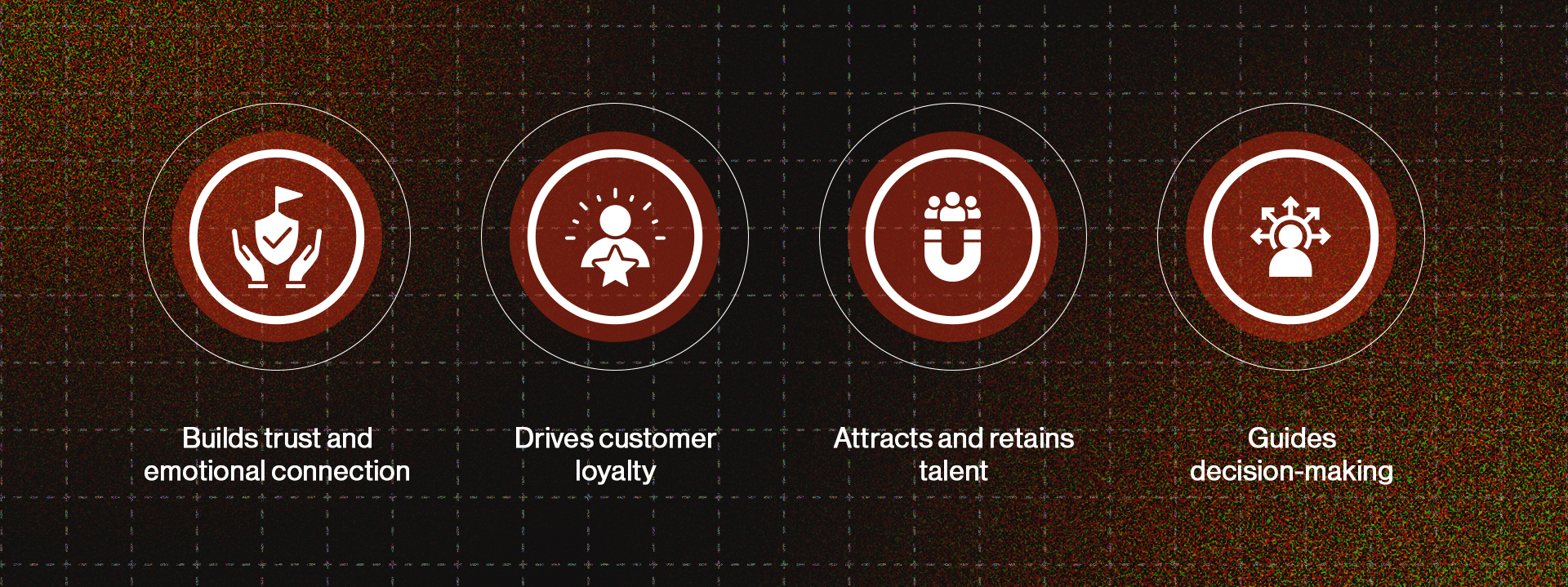
Builds trust and emotional connection
People are more likely to trust brands that stand for something they care about. A clear purpose gives customers a reason to feel connected beyond the product itself.
This emotional connection often leads to stronger word-of-mouth and repeat business. Customers do not just buy from purpose-driven brands; they advocate for them.
Drives customer loyalty
Loyalty grows when customers feel aligned with a brand’s values. A strong purpose gives people a reason to choose you again, even when competitors offer something similar.
This is especially true in crowded markets where price and quality are no longer enough to win long-term loyalty.
Attracts and retains talent
Employees want to work for companies that matter to them. A clear sense of purpose helps attract talent who care about the mission, not just the paycheck.
This often leads to higher engagement, stronger retention, and a workplace culture that reflects the brand’s values from the inside out.
Guides decision-making
Purpose acts as a filter for big decisions. When leadership faces tough calls, a clear purpose helps answer the question, does this align with who we are?
This consistency builds trust internally and externally, since customers and employees can see the brand acting in line with what it claims to stand for.
Brand Purpose vs Mission Statement vs Vision Statement
These three terms often get mixed up, but they serve different roles.
| Element | What It Answers | Example |
| Brand Purpose | Why does this business exist beyond profit? | “To inspire and nurture the human spirit” |
| Mission Statement | What does the business do, and for whom? | “To sell great coffee while building community” |
| Vision Statement | Where is the business headed in the future? | “To be the most loved coffee brand in the world” |
Purpose is the deepest layer. It rarely changes over time. Mission and vision tend to evolve as the business grows, while purpose stays constant as the foundation underneath everything else.
What Makes a Strong Brand Purpose Statement
A strong purpose statement is more than a nice sentence on a website. It needs to actually guide behavior.
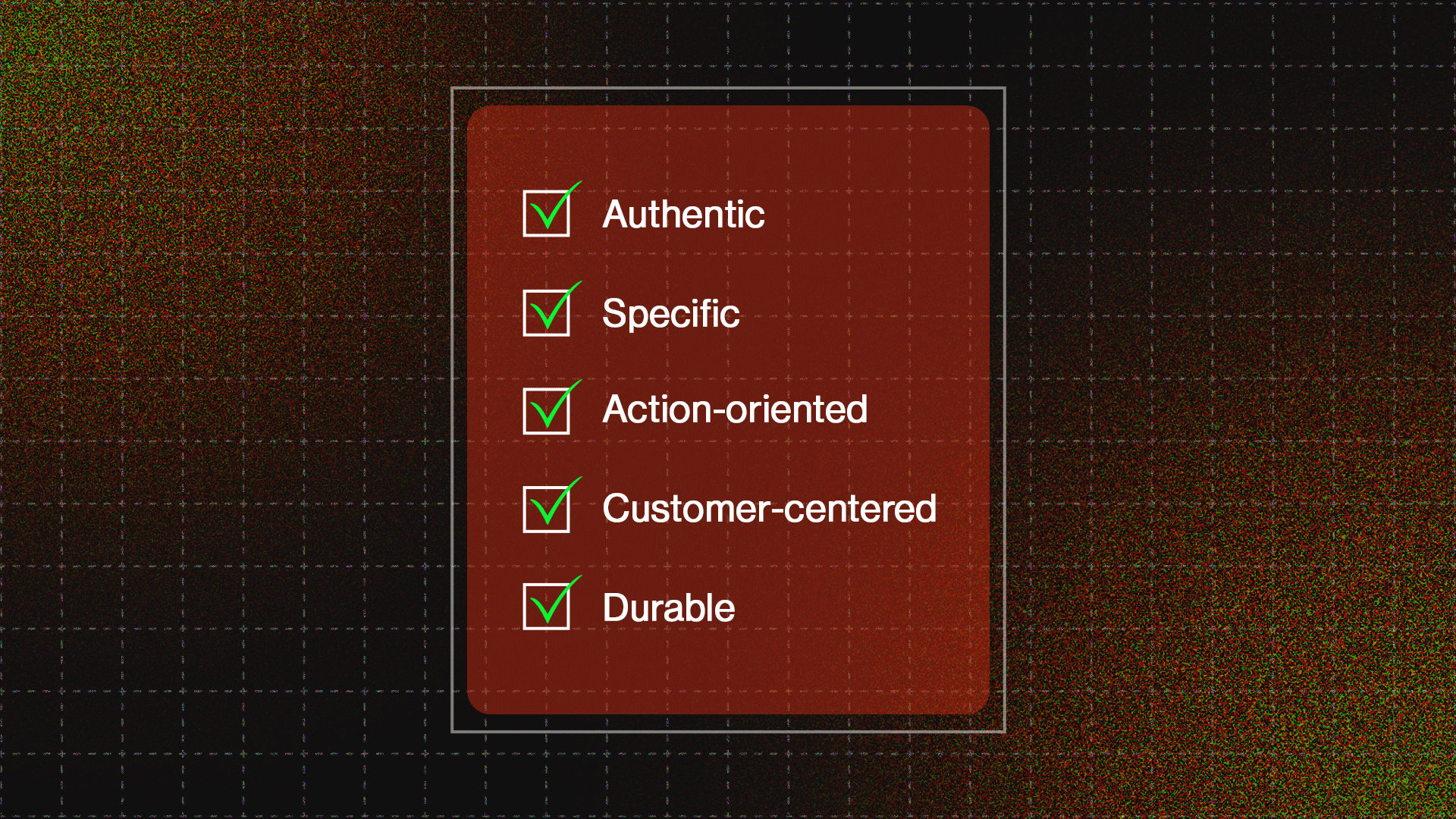
Here are the qualities that matter most.
- Authentic. It reflects real values, not trends or marketing language.
- Specific. It avoids vague phrases that could apply to any business.
- Action-oriented. It implies something the brand actively does, not just believes.
- Customer-centered. It connects to the people the brand serves, not only the company itself.
- Durable. It can stay relevant for years, not just for one campaign.
A common mistake is writing a purpose statement that sounds good but has no connection to how the business actually operates. If the purpose does not show up in daily decisions, customers will quickly notice the gap.
How to Define Your Brand Purpose Step by Step
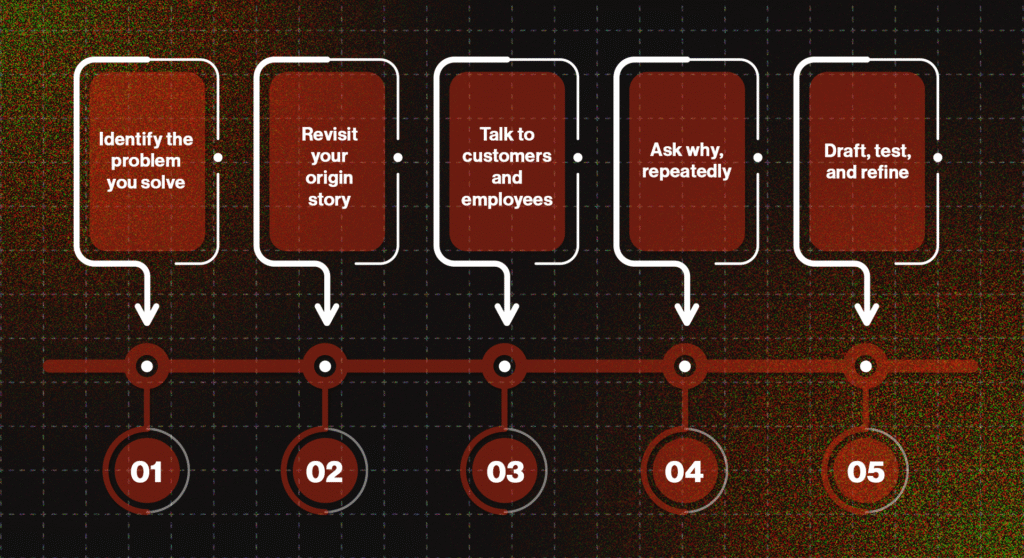
Defining brand purpose takes reflection, not just brainstorming. Here is a simple framework to work through.
- Identify the problem you solve. Look past the product and ask what real need or frustration your business addresses.
- Revisit your origin story. Most founders started a business because of a specific moment or belief. That story often holds the seed of your purpose.
- Talk to customers and employees. Ask why they chose your brand or why they stayed. Their answers often reveal what your purpose already is, even if it has not been written down.
- Ask why, repeatedly. Take your product or service and ask why it matters, then keep asking why until you reach something deeper than profit.
- Draft, test, and refine. Write a few versions, share them with people inside and outside the company, and revise until it feels true rather than just polished.
This process usually takes longer than expected. That is a good sign, since a purpose worth keeping should not be rushed.
Examples of Brands With a Clear Purpose
Several well-known companies have built their entire brand identity around a clear sense of purpose.
Patagonia

Outdoor gear and apparel brand Patagonia has built its purpose around environmental responsibility. The company has long encouraged customers to buy less and repair more, even running campaigns asking people to reconsider new purchases. This stance has shaped its supply chain, product design, and marketing for decades.
Dove

Personal care and beauty brand Dove has centered its purpose on redefining beauty standards. Through its Real Beauty campaign, the brand shifted away from idealized imagery and focused on real people instead. This approach has shaped product campaigns and earned long-term trust from its audience.
TOMS
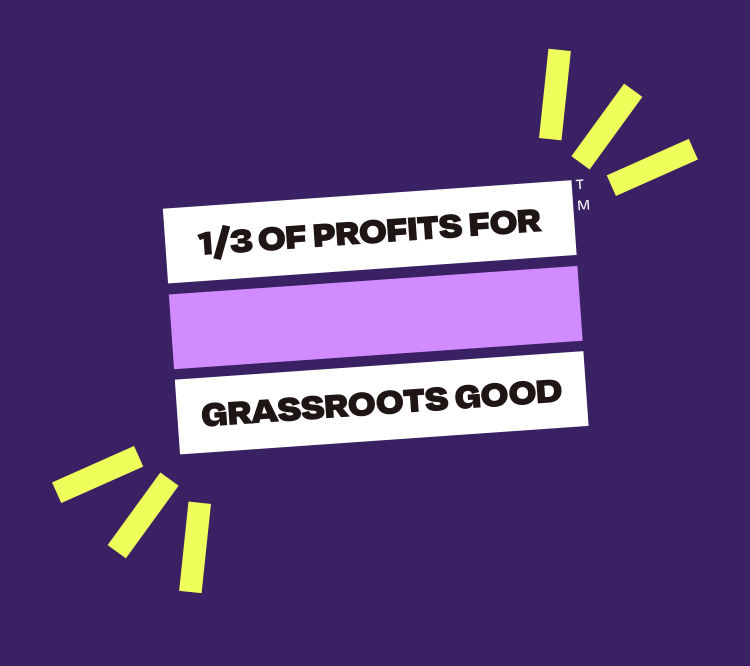
TOMS, a footwear and lifestyle brand, has built its purpose around community impact. The brand once ran its One for One model, donating a pair of shoes for every pair sold, and has since shifted to committing a third of its profits to grassroots organizations focused on mental health and access to opportunity. This change shows purpose can evolve while staying true to its core commitment.
Warby Parker

Eyewear brand Warby Parker has built its purpose around expanding access to vision care. Through its Buy a Pair, Give a Pair program, the company donates a pair of glasses for every pair sold and has given out over 25 million pairs to date. This model ties its purpose directly to the exact product it sells.
REI

REI, an outdoor retail cooperative, has tied its purpose to getting people outside and protecting public lands. Its #OptOutside campaign closes all stores on Black Friday and pays employees to spend the day outdoors, a commitment the brand made permanent in 2022. This choice shows the brand backing its purpose with real financial sacrifice.
Tony’s Chocolonely

Chocolate brand Tony’s Chocolonely has built its purpose around ending exploitation in the cocoa industry. The brand uses a tracking system called BeanTracker for full transparency on sourcing and pays cocoa farmers well above standard market rates. In 2026, it earned one of only two green scores on the global Chocolate Scorecard for ethical practices.
Can Small Businesses Benefit from Brand Purpose?
The examples above come from large, well-resourced companies, but brand purpose is not limited to big budgets. Small businesses can benefit just as much, often more.
Small businesses tend to have closer relationships with their customers, which makes purpose easier to communicate and easier to feel.
A local bakery does not need a global campaign to show purpose. It might simply commit to using local ingredients, supporting nearby farmers, or donating leftover bread to shelters each week.
These actions do not require a big budget. They require consistency and a clear sense of what the business stands for, which any size company can build. As your brand grows, attribution software can help you understand which marketing channels and campaigns are most effective at communicating your purpose and driving customer engagement, allowing you to invest more confidently in what works.
Final Thoughts
Brand purpose is not a marketing trend. It is the foundation that shapes how a business behaves, who it attracts, and why customers choose to stay loyal over time.
The brands that get this right do not just talk about purpose, they live it through daily decisions and consistent actions. If you are building or refining your own brand, start with the why, and let everything else follow from there.
FAQs on Brand Purpose
What is brand purpose?
Brand purpose is the underlying reason a business exists beyond making a profit. It reflects the impact the brand wants to have on customers, communities, or the world.
Why is brand purpose important for a business?
It builds trust, strengthens customer loyalty, and helps guide decisions across marketing, hiring, and product development. Businesses with a clear purpose tend to stand out in markets where price and quality alone are not enough to win customers.
How is brand purpose different from a mission statement?
Brand purpose answers why a business exists, while a mission statement explains what the business does and for whom. Purpose tends to stay constant, while mission statements can evolve as the business grows.
What makes a strong brand purpose statement?
A strong statement is authentic, specific, and tied to real actions rather than marketing language. It should reflect something the brand actually does, not just something it claims to believe.
How do you define your brand purpose?
Start by identifying the problem your business solves and revisiting your origin story. Talking to customers and employees, asking why repeatedly, and testing different drafts will usually reveal a purpose that already exists but has not yet been written down.
Can a small business benefit from having a brand purpose?
Yes. Small businesses often have an advantage since their relationships with customers are closer and more personal, making it easier to communicate their purpose authentically.
How does brand purpose influence customer loyalty?
Customers who connect with a brand’s purpose tend to stay loyal even when competitors offer similar products. This connection also makes customers more forgiving of occasional mistakes, since the relationship is built on more than a single transaction.
Read more on branding here:
- Top AI Logo Makers to Use in 2026
- How To Do Logo Testing
- Brand Voice Examples That Align with Brand Personality & Values
Hannah Suroy suroy brings clarity to complex topics across entertainment, business, and creative industries. She specializes in translating industry trends and innovations into engaging content that helps readers understand the creative process behind the work they love.