A Beginner’s Guide on How To Start a Blog
So, you’ve decided to start a blog. That’s great! Whether you want to share your favorite Italian recipes, review the films you’ve watched, or guide others to some famous tropical destinations, blogging is a great way to express yourself while potentially making some income on the side.
However, starting a blog might seem overwhelming or scary for beginners. Where do you even start?
Don’t worry as we got you covered! This article covers everything you need to know about blogging – from choosing the right topics to write, creating your blog’s logo design, down to marketing your site afterward.
Let’s get started!
Why Should You Start a Blog?
People start a blog for various reasons. Some do it for fun. While others consider it as a serious business opportunity.
Contrary to popular belief, you don’t need to be an expert writer or seasoned web developer to create your own blog. You don’t even need any credentials or certifications to start one! All it takes is your idea, and your passion to pull it through.
Still on the fence about starting your own blog? Here are a few reasons why you should take the plunge:
- It’s a good creative outlet: Blogging empowers you to express yourself creatively. You develop original ideas or use your storytelling skills for your writing. You can use blogging as your playground for other interests such as photography, illustration, web design, and graphic design. Even something as simple as choosing the right photo for your article can be a great creative exercise.
- It’s a way to improve your skills: At the same time, blogging helps you level up your skills. You can hone your writing, communication, and research skills with each article you make. You can even learn SEO, social media marketing, and even web development as you go along your blogging journey.
- It’s a good source of income: You don’t need to be the #1 blogger in your niche to earn money. So long as you have a sizable audience and traffic on your blog, you can monetize it already. This can be through affiliate marketing, banner ads, sponsored posts, etc.
- It’s a way to build your brand: You can use your blog as a platform to showcase your personality, interests, or skills. This can be helpful for your personal branding – whether you are an aspiring influencer, an industry expert, a freelancer, and so on.
- It builds connections: Creating a blog about your interests or expertise will lead you to meet people with the same passion. It’s a great opportunity to meet new friends, fellow professionals, or potential clients.
Step-by-Step Guide on How To Start a Blog
Ready to start your blog? Make sure to prepare yourself by reading through our step-by-step guide here:
1. Find your niche
The first and most crucial step to a successful blog is to find your niche. While yes, your blog can cover general topics, you should ideally have a specific topic or niche to focus on.
Why is this important? First, there are currently 600 million blogs all over the world. You’ll need to have a specific niche to stand out from the heavy competition. You’ll want to set yourself apart from the millionth beauty blog or cooking blog!
Second, having a specific focus makes it easier for you to develop ideas and articles. If you have a too broad pool of topics to choose from, you can get decision paralysis which in turn can make it difficult for you to get started on writing.
Third, by catering to a specific group of audience, you’ll have a better chance of catching their interest and potentially have them stay as a loyal reader of your blog.
Let’s say you want to start a travel blog. How can you narrow it down further?
Well, you can do so by angling your blog as a “poor travelers guide” where you try to find the most affordable accommodations, activities, and restaurants in that specific location. Alternatively, you can lean towards reviewing hiking and kayaking spots in Australia, or focus on traveling to the best diving spots in the world.
The more specific, the better.
2. Identify your target audience
Next is to know and understand your target audience.
Your readers will ultimately decide the success of your blog. Even if you write the best article in the world, if it doesn’t resonate with your audience, your blog won’t take off.
Try joining some Facebook groups related to your chosen niche. From there, you can see the demographics of people in those groups.
You can also check out their comments and posts to get a feel for what kind of content will interest them. What kind of concerns do they have? Is there a specific trend happening in your niche? And so on.
You can also hop into Instagram and enter a hashtag related to your niche. This could be #makeupblogger, #mommyblogger, #foodblogger, etc.

From there you can see posts from popular bloggers and influencers. You can then check what kind of followers they have, the kind of content they post, and find some hashtags that you can consider using as keywords or topics for your content.
You can also find your audience by looking at Google Trends, doing keyword research using tools like Ahref, browsing discussion forums like Reddit and Quora, or checking out your competitor’s blogs.
3. Build your branding
You may be thinking, “I’m just a blogger! Do I really need branding like big corporations do?”
The answer is yes. Branding is not just limited to Nike or Apple. Influencers, small businesses, and yes, even budding bloggers need solid branding to help them stand out from the competition.
Branding is the “image” or “personality” that people associate with you. You know how some brands are seen as hip and young, while some are seen as older and more formal? That’s branding at play.
Your branding is built by two things – visual identity and brand voice.
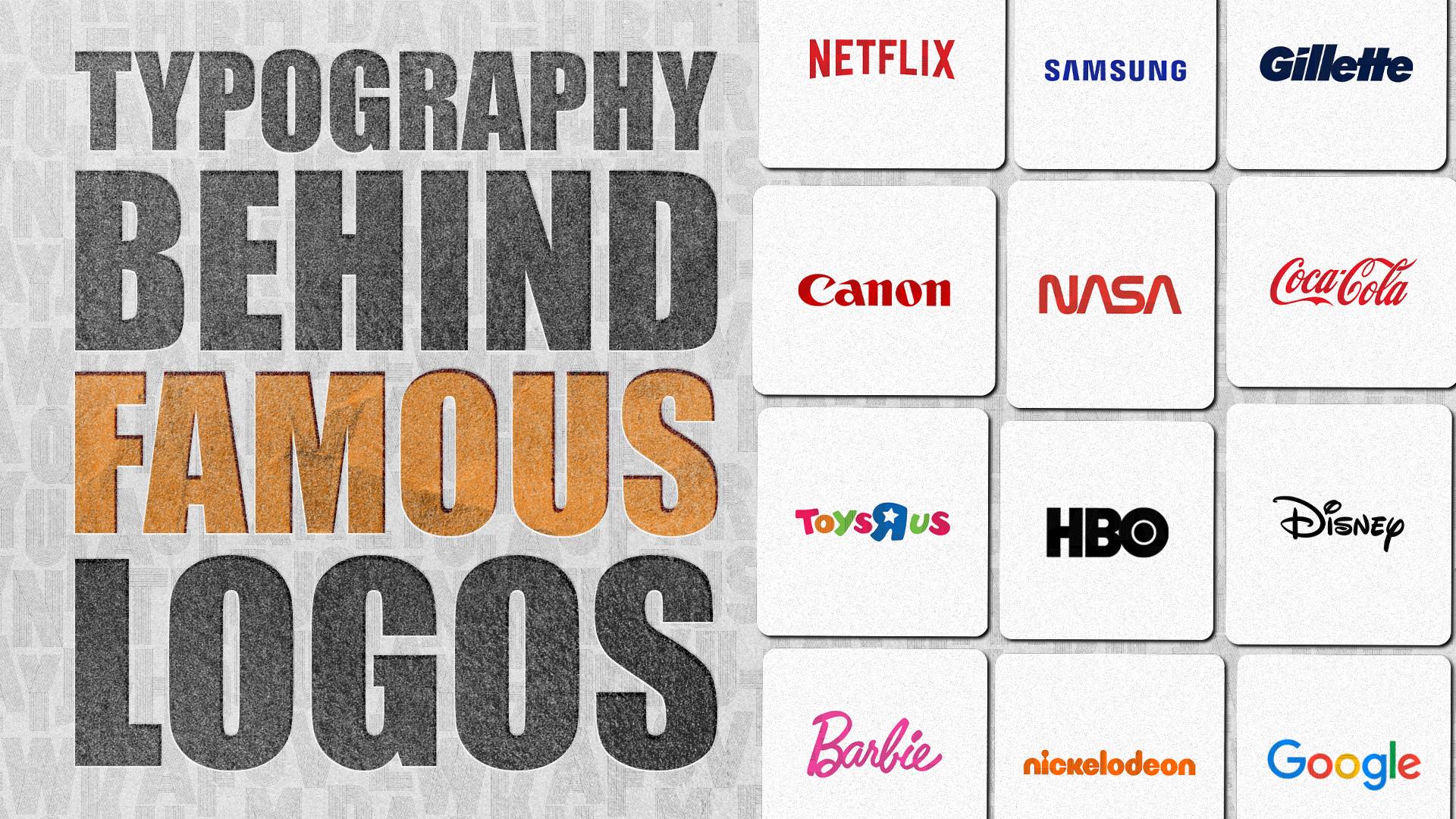
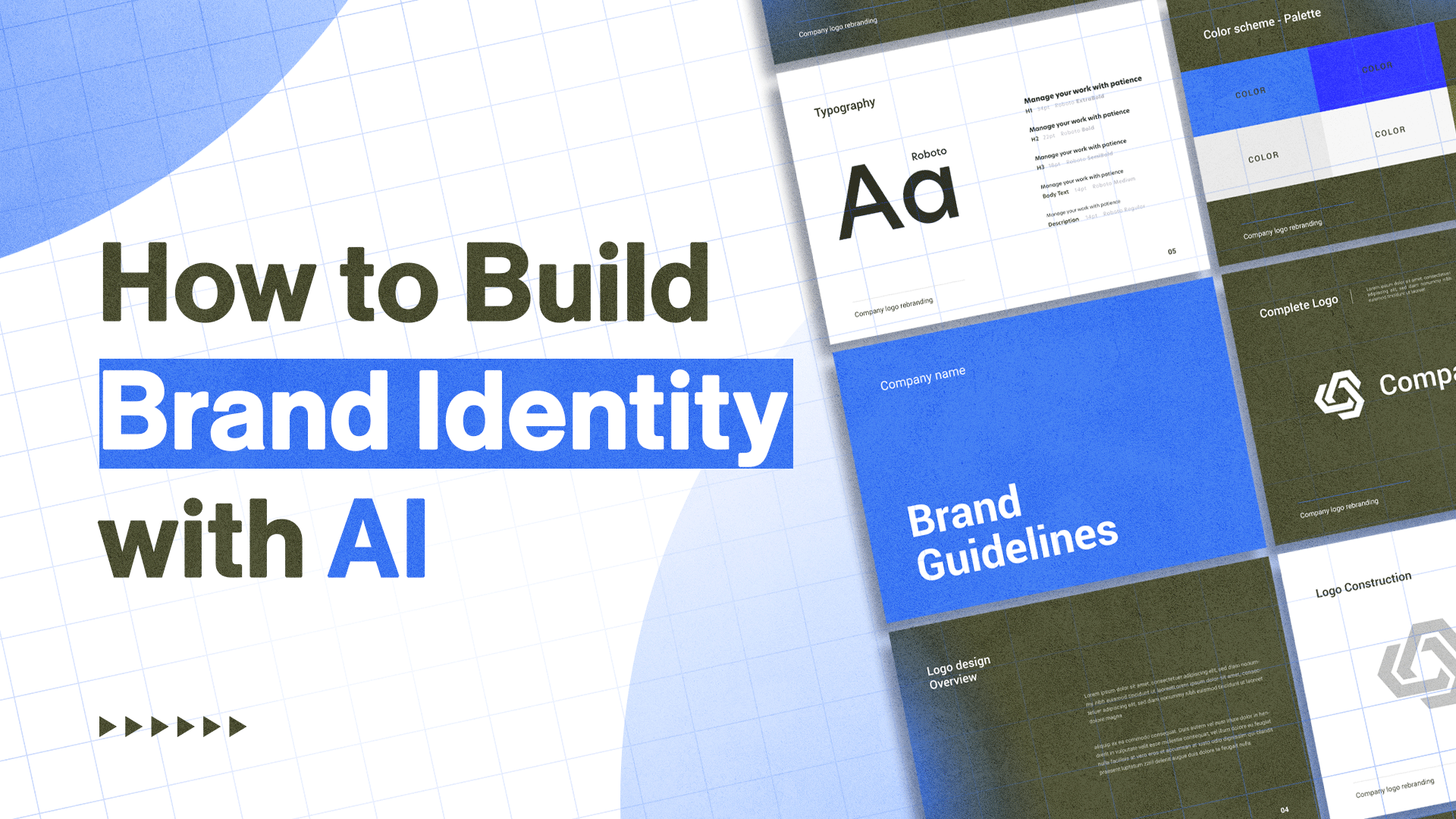
Let’s start with your visual identity first. These are your logo, color scheme, typography, and image style. You’ll need to design these visuals to align with the image that you want to portray.
Want to be a blogger that discusses luxury items? A chic and sophisticated image will fit you. Therefore, a minimalist logo with black-and-white color scheme paired with a cursive script is perfect for you.
Let’s say you are a fashion blogger that focuses on the coquette aesthetic. Then a cute logo paired with a pastel pink and white color palette is suitable for you.
As you can see, strong branding helps distinguish your blog from the others. It also gives you a clear creative direction on how to design your website, social media, and other marketing materials down the line.
4. Find your brand voice
Let’s move on to your brand voice.
To put it simply, this is your writing style. How you write your blog articles – from your tone, the slang or jargon you use (if any), to your stylistic choices are all combined to form your brand voice.
A unique voice makes your blog more engaging to read. Some writers that use a more relatable or witty approach also make them more endearing to their readers.
You can see this in the popular food blog A Pinch of Yum. They use a warmer style of storytelling, where it’s almost like a friend just telling you about her day.

Source: A Pinch of Yum
Meanwhile, Neil Patel’s style is more straightforward and action-driven. It’s more similar to a knowledgeable coach who imparts his expertise.

Source: Neil Patel
Find a writing style that conveys your personality and one that aligns with your audience.
And to make it a part of your overall branding, you need to apply your style not only to your blogs but also to your website text, social media captions, email newsletters, and so on.
5. Come up with your blog name
Choosing the right blog name is another important part of your branding.
Your blog name should be distinct, memorable, and unique. Think of sites like Mashable, Nomadic Matt, and I Will Make You Rich. Their names just stand out from the rest.
Your blog name should also be easy to spell. Avoid too complicated names, adding numbers or characters, or those with deliberate misspellings as your blog will be harder to find. So yes, avoid names like “blogstar4156” or “dksaooee”.
Ideally, it should also convey to your readers what kind of content to expect from your blog.
An example is Minimalist Bakery. It’s a blog focused on simple vegan and gluten-free versions of classic desserts. Fitting name, right?
Another is Wellness Mama. The blog is focused on health and wellness topics that are geared toward mothers.
As you can see, their blog names are descriptive enough without being too bland or common.
Having trouble coming up with your name? Our business name generator tool can help you. Simply input keywords related to your blog and we’ll give you suitable names to choose from.

You can also check out our guide here on how to Create The Perfect Name For Your Business.
6. Choose your blogging platform
To make your blog visible on the internet, you’ll need to find a blogging platform first. You have two options – a hosted site or a self-hosted one.
Some examples of hosted sites are Wix, Squarespace, Weebly, and Blogger. These sites are beginner-friendly as they provide customizable templates to build your website. You don’t need any coding knowledge, you can just drag and drop features or pages to build your blog. You also don’t need any technical knowledge on hosting, security, or maintenance of your blog as these sites will take care of it.
The cons are that what you can do for your blog is limited. While they offer a wide range of designs and multiple features, you can’t add anything that doesn’t exist on their website to begin with.
You’ll also need to pay extra for a lot of the cool stuff on the site. Especially with your domain name. If you stick to their free websites, you will have their name on your URL (“ABCwebsite.wix.com” as opposed to just “ABCwebsite.com”), which is not great for SEO nor for building your branding.
Self-hosted sites like WordPress have more features and less restrictions. You can design as you please and add whatever specific features you may need. You can also use various plug-ins or themes to make your blog even more appealing. There are also no restrictions regarding ads so monetization is easier.
The cons are that WordPress is more expensive compared to the hosted sites. You also have to pay for your domain name, plug-ins, themes, and hosting. You’re also responsible for adding or updating all of those which may be difficult if you are not that knowledgeable on coding. Consider getting WordPress maintenance services to help you manage all these.
Which blogging platform do we recommend? The answer will depend on your budget, coding skills, and your goals. If your blog is just a side hustle or you want to just try it out, Wix or Squarespace is fine. But if you are serious about building your blog and monetizing it, we suggest going for WordPress.
7.Pick your web hosting provider
Now if you are planning to use WordPress, you’ll need to find a web hosting provider.
You’ll need a provider to store your web files and make your blog accessible on the internet. Otherwise, you’ll need to set up everything from scratch, which requires plenty of technical skills plus hardware, software, and infrastructure. Having a web host provider eliminates all these technical upkeep and maintenance so that you can focus on other important aspects of your blog.
Some options to consider are Hostinger, Bluehost, HostGator, IONOS, and Dreamhost.
Hosted sites like Squarespace, Wix, Weebly, and Blogger already provide their own hosting so you don’t need to worry about this if you are planning to use them.
8. Choose your domain name
Your domain name is the one that you see on the URL.
Usually it’s your blog name. But some people create a different domain name, especially if the blog name is too long or if it’s already taken by other sites.
You can see it on popular brands. Coffee Bean and Tea Leaf simplify theirs to just be “coffeebean.com”. American Eagle also cuts theirs to just “ae.com”.
If you need ideas for your domain name, you can use our domain name generator or read our article on 7 Ways To Make Your Domain Names Unique.

Don’t forget to register your domain name if you are using a self-hosted site. If you are using a hosted site like Weebly (especially their free version), make sure you pay for your domain name as well. It’s insurance for your future – should you wish to move to another site, your domain name will still be yours.
9. Create a content calendar for your blog
Want to stay on top of your blog? We suggest creating a content calendar.
A content calendar is a document, spreadsheet, or calendar that details what articles you want to write and when you’re going to publish them.
You can use any physical or digital calendar. You can also use a third-party management tool like Notion, Trello, Asana, or ClickUp.
A calendar is useful for any blogger for many reasons. It helps you prepare enough topics so you don’t have to keep on coming up with things on the fly. It ensures the quality of your writing as it gives you enough time to write and proofread. Most importantly, it helps you add variety to your blog. You can plan out tutorials, reviews, long forms, or guest posts accordingly.

Source: Airtable
How do you start a calendar? First, brainstorm all possible topics that you want to write about. You can also check upcoming events or holidays related to your niche and see if you can write an article on those days.
Then plot those topics on your calendar. Posting consistently is key to keeping your blog engaging to your readers. Make sure you space these topics accordingly so you don’t have too long of a break without any articles.
Your calendar should include these things:
- Due Date
- Publish Date
- Topic or Title
- Target Keyword
- Word Count
- Status
- Promotional Method
- Link to the Published Post
Your content calendar should cover at least one month. Some bloggers even plan for the whole year.
10. Write your content
Now for the fun part – the writing!
We don’t really have strict rules here as you should have the freedom to express yourself however you want in your writing.
But we do have some tips that you can incorporate to make your articles even better.
One is to use writing tools like Grammarly, Hemingway, or ProWritingAid. These tools can help check your writing for any grammatical or spelling errors. They can also check your diction and writing style or suggest other words to make your article more active, casual, or professional.
Of course, there is also the good ol’ spell checker in Microsoft Word or Google Docs. Make sure you use them to keep your writing clean and readable. Apart from writing platforms and tools, consider using a VPN to maintain your privacy online. It’s especially useful if you’re accessing your blog or doing outreach while traveling or using shared networks. Just make sure to use a VPN with no-logs policy to ensure your data isn’t collected or stored by the VPN provider itself.
Remember the brand voice we mentioned earlier? Keep that in mind while writing too. Again, they will make your writing more distinct and unique to your personality instead of sounding like every other blogger.
How long should your article be? Some prefer a long, deep dive into topics. If this is the route you want to take, think like research paper writers and ensure you do all the necessary fact-finding to craft compelling copy. The answer will really depend on your topic, niche, and readers. But a good rule of thumb is around 1000-2000 words.
11. Add images or videos
Want to make your article even more engaging? Try adding images, videos, infographics, GIFs, or other visual content.
Great visuals can significantly enhance a reader’s experience. An image can break up long blocks of text, which makes it easier to read and understand. (Not to mention less boring!)
Images can also support your content by providing more context or helping your readers visualize a scenario. It’s also useful if you are writing a tutorial or step-by-step guide, as according to studies, people following directions with illustrations do 323% better than people that follow without.
Bloggers also add images to reinforce their brand identity. Some add memes to convey their humorous brand. While some add black and white images that fit their chic persona.
Need images for your article? Some bloggers rely on stock photo sites Unsplash, Pexels, or Pixabay. These are great if you need a free high-quality photo, but do keep in mind that since these are stock photo sites, chances are millions of people have used the same image that you want.
If you need beautiful and unique photos that fit your images, we suggest looking for a graphic designer instead. You can tap into our creative community of experienced freelance graphic designers back at DesignCrowd.
If you want to go for a DIY option, you can also check out customizable image or video maker tools online. Since these are templates, you don’t need to start from scratch. But it’s also customizable so you can make the images or videos more aligned with your topic as well as with your brand identity.
12. Think about SEO
Lastly, let’s talk about SEO. Basic SEO strategies should make your articles easier to find in Google and drive more traffic to your website.
The first is to do keyword research. You can use Ahrefs, Google Keyword Planner, or Google Trends for this. Look for keywords that people are searching for in your niche and make articles centered on that. This ensures that your article has a demand (since people are searching for it!).

You can then add these keywords to your article, heading, and subheading. But don’t stuff your article with keywords for the sake of SEO! Remember, you’re writing for humans. Your article must remain fun to read and not “robotic” for your readers even if you gear it for SEO.
Don’t forget about your title as well. Aside from being catchy, it should be descriptive enough for your readers as well as contain your keywords. So instead of “Ab Exercise Tips” it can be “Best Ab Exercise Tips To Build Your Core.”
13. Publish your content
Happy with your article? It’s time to publish it!
But before you hit that “Post” button, don’t forget to do a once-over. Double-check your article for grammatical errors or spelling mistakes. You can try reading it out loud as this helps you spot errors easier. Check your links to see if they are linking to the correct sites.
Don’t forget your images and videos (if any) as well. Make sure they are all high-quality and the right size to ensure that they will be displayed correctly.
And then once you publish, do another check. View your published post on different browsers and devices. Click all your links. This should help you spot any errors or issues before any reader does.
Best Practices For Starting A Blog
Now that you know the basics of starting a blog, let’s discuss the extra steps that you can do to make it even better.
These are the best practices and strategies that you can use to make your blog more engaging to your readers as well as increase your blog’s visibility and popularity.
Let’s dive in!
A. Try guest blogging
The best way to drive more traffic to your site and make your blog more visible is by link building.
Link building is the process of acquiring links to your site. If a lot of reputable sites link to you, Google will view your blog as relevant and credible, thus increasing your ranking. You can also explore SaaS links as a way to find more opportunities for link-building through SaaS-related blogs or platforms.
But of course, it’s not easy to get links to your site. Think about it. Will BuzzFeed or TheVerge just link to a random blog? Of course not.
This is why bloggers tend to do a link-building strategy called guest posting. It’s when you write articles for a website related to your niche, with the thought of linking back to your blog. To enhance your blog’s functionality and appeal, consider investing in web app development, which can offer more dynamic and interactive features for users, further boosting your site’s potential to attract links.
Guest blogging is not only great for getting links to your blog, but to reach a wider range of audience who may be interested in your content or writing style.
How do you request to do guest blogs? The key is to look into sites that are relevant to you. Don’t go for your direct competitors. Instead, look for blogs that do complementary content.
Let’s say you blog about ballet. Don’t go for other ballet blogs. Instead, contact bloggers who focus on other dance styles, those who give general fitness advice, or even fashion bloggers who do athleisure.
They are more likely to accept your article since you are not a direct competitor. At the same time, their audience is already interested in the field of dance or athletics, so you have a great chance of gaining new readers from them.
B. Update outdated content
Ever searched for the best products to buy on Google… only to see articles that were last updated in 2019? And the product on the list is not even manufactured anymore? What a bummer, right?
We live in a fast-paced world. There are new technologies, new products, and new trends every month. If you don’t regularly update your content, your blog can be seen as irrelevant or useless for your readers.
Make sure to check your blogs to see if you can refresh them. Even as simple as updating statistics or changing the links in the article can do you good.
C. Always routinely check your blog for broken links
Part of your blog maintenance should be to check for broken links. Partnering with a reliable WordPress maintenance service provider can simplify this process and ensure your site stays in top shape.
Search engines use bots to crawl and index sites. If they encounter broken links, they stop crawling and move on. This can severely impact your rankings.
Not only that but imagine how it looks for your readers when they click a link in your blog and it leads to nowhere. You’ll look disorganized and sloppy. They might also think that the blog is not active anymore.
You can use Google Search Console or Ahref to check your links.
Make sure your links are also active on your partner sites, especially if you do guest posting or other link-building strategies. You don’t want to waste effort only to find that they are not linking to you anymore.
D. Consider monetization
Once you have a good amount of content and sizable traffic on your blog, you can start monetization.
What’s great is that blogs are a source of passive income. You can add banner ads to your site and you’ll earn money. You don’t even need to write an article daily to earn something. For instance, If you run an AbanteCart e-commerce store, you can also integrate your blog with your store to promote your products, showcase customer reviews, or provide useful tips related to your niche, which can help drive sales.
Blogs can be lucrative. However, keep in mind that you won’t earn money immediately on your blog. Some bloggers say that it took them up to a year before they even qualified for ads.
Some ways you can monetize your blog is through:
- Ad Networks – This is probably what comes to your mind when we say monetizing your blog. You can add banner ads, pop-up ads, and other ad types through ad networks like Google AdSense. You then earn money based on the number of clicks or impressions the ad gets.
- Affiliate Links – An affiliate program is where you earn money or commission based on sign-ups, purchases, or clicks from a link. For example, say you have an affiliate link on your article. When a reader clicks on the link and purchases the product that was there, you earn a percentage of the sale.
- Sponsored Posts – Some brands or businesses can contact you to do a sponsored post. You will then create an article that talks about their products, share your experience with them, or give a comprehensive review about it.
- Selling Your Products – Of course, you don’t need to rely on external advertisers to earn money. You can use your blog as your platform to sell your products. Some bloggers sell digital art, printables, crocheted goods, clothing, novels, cookbooks, and many other products.
- Selling Your Services – Some bloggers also sell services such as coaching or courses. These are for bloggers who have tons of expertise in their field. If you become even more popular, you might even get asked to do speaking engagements or events. Some freelancers use their blogs to serve as portfolios to advertise their services.
The right monetization strategy for you will depend on your niche and audience size. For example, fashion bloggers tend to do more affiliate links. While cosmetic bloggers are more requested to do sponsored posts or product reviews.
The money you earn from your ad networks will also vary depending on your traffic. For example, for every 1000 views you can earn around $0.2. It’s not that big, so unless you have a high amount of traffic, don’t expect to earn millions from your blog.
The key is slow and steady. Make sure you have engaging and high-quality content, implement marketing strategies to drive traffic, and build high-quality backlinks to increase your site’s authority, and you do a good mix of monetization tactics so you are not reliant on just one source of income. Tools like ZipWP can assist in creating professional websites quickly on WordPress, allowing you to focus more on content and strategy.
E. Promote your blog
Think your blog can succeed by just writing your articles? Not quite.
Even if you write the best articles in the world, if no one sees it, it’s pointless. You’ll need to harness the power of marketing to get more eyes on your blog and let people see your awesome writing.
Make sure you have a social media presence. No, you don’t need to get on all of the platforms. Research your audience and see where they are most active. Then make an account on those platforms.
Let’s say you have a finance blog. You’ll probably only need a LinkedIn and Twitter account.

Have a fashion and lifestyle blog? Then Instagram might be the best platform to promote on.

Make sure to post a teaser when you have an article incoming. Then make a post linking to your published article after as well. You can also use your social media to start a discussion – ask them for questions, suggestions, or thoughts about the article.
Your social media doesn’t need to be limited to just promoting your articles. You can create other content such as videos, images, infographics, etc. You can also engage your community by doing polls, surveys, Q&As, Ask Me Anything, and so on. You can even go simple and just share relevant news or events about your niche.
You can also consider paid ads (like Facebook Ads or Instagram Ads) to quickly boost the amount of followers you have and widen your reach.
Another thing you can try is to collaborate with influencers or fellow bloggers. You can do guest posts, create content together, or host an interview.
Lastly is email marketing. You can build up your email list to keep them updated when you have a new article. You can also offer free resources such as ebooks, whitepaper, or a study to encourage more sign-ups.
F. Use plug-ins or themes
Using WordPress for your blog? You might want to consider adding various plug-ins or using custom themes to make your blog better.

Plug-ins add more functionality to your site. Some plug-ins that you may need are:
- Wordfence – to add security and malware detection
- Yoast SEO – to optimize your site
- WPForms – to have better contact, sign-up, or survey forms
- LiteSpeed Cache – to make your site load faster
- UpdraftPlus – to backup your site in case of crashes or breaches
- Weglot – to provide automatic translations for your site
There are thousands of plug-ins available to make your site more engaging to use so feel free to explore other options.
As always, the right plug-in will depend on your niche, audience, and your goals for the site. For example, if you want to use your blog to sell products, you will benefit from Shopify or WooCommerce plugins. If you want to add membership tiers to your blog, you can use MemberPress.
Let’s move on to themes. These dictate the overall design and layout of your blog. You can find those that come with customizable templates so you just need to edit a few things such as the color or font to better suit your liking.

Some popular themes are:
- Divi
- Astra
- OceanWP
- Hestia
- Ashe
- Hueman
Some themes are more fitting for specific niches. For example, Virtue and Rife are suitable for photographers and designers who are looking to use their blogs as portfolios. Storefront and Flash are better for e-commerce sites. While Divi and Astra are great for general blogs.
G. Review and analyze the performance of your blog
Knowing the performance of your blog is the best way to improve it. You can see what works and what doesn’t and plan strategically.
Keep track of the following metrics:
- Page Views – This shows how often your content is viewed. Higher numbers for this are better since it means you’re getting attention.
- Overall Blog Visits – Tracking this monthly can give you an idea of whether you are getting more traffic as you go along. This can also give you insight into monthly trends. For example, you may find that June is a great month for your blog.
- Top Viewed Posts – You may find that a specific article gets a lot of views. This can help you notice trends regarding your format, word count, content topic, or content style to improve your articles.
- Bounce Rate – Bounce rate shows the percentage of people leaving your site after viewing a page. High bounce rates are bad since it means there is an issue with your content or with your site (too slow loading, wonky display, etc.)
- User Behavior – Do they only visit your homepage? Do they leave once they get to your contact form? And so on. Knowing this info can help you optimize your website better.
- Traffic Sources – This shows where your blog visitors are coming from. This helps you know if you got them from social media, email newsletters, search engines, etc. This will help you decide where to focus your marketing efforts.
You can use Google Analytics to track the above metrics. You can also use tools like Hotjar or Crazy Egg to give you heatmaps, which you can use to know which part of your site gets clicks and which part gets ignored.
Want to see your SEO performance instead? You can use Ahrefs or Google Search Console for that.
Wrapping Up
There you have it! We hope our guide above has helped you navigate the intricacies of starting a blog. If you have any questions, feel free to drop us a message.
Want to get your blog off the ground? Our AI design tools can also help you. It comes with our one-click AI background remover and other marketing templates that can be used to promote your blog site.
You can also check out our logo maker tool for specific designs that will fit your blogging niche – whether it’s a backpacker logo, finance logo, seafood logo, fashion logo, and more.
Good luck, and we wish you the best on your blogging journey!