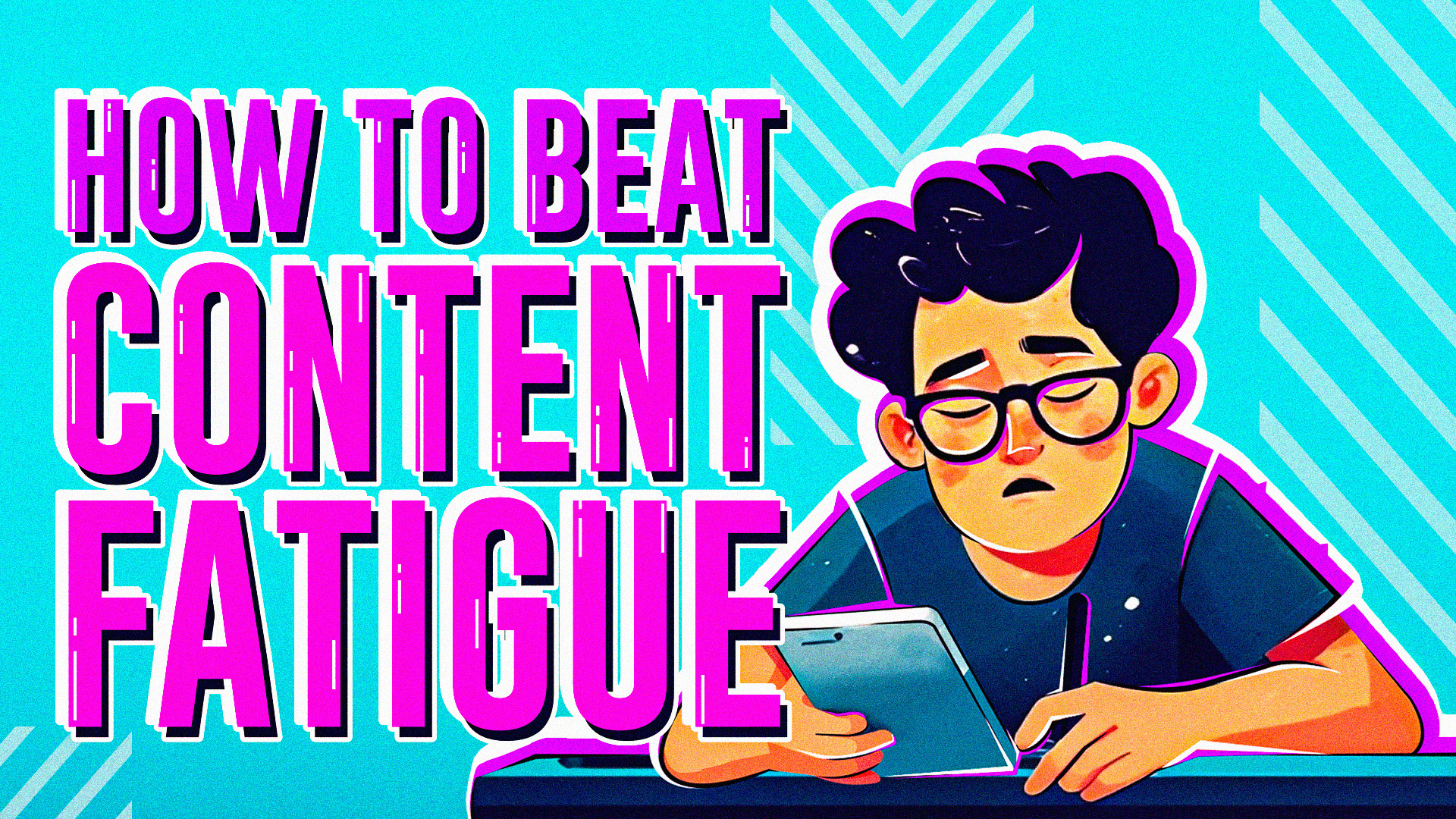
How To Beat Content Fatigue: Brands’ Guide to Relevance & Engagement
In 2025, people are seeing more content than ever: videos, ads, posts, articles, and emails everywhere they look. The result? Content fatigue.
Content fatigue happens when your audience gets so overwhelmed by similar posts, ads, or brand messages that they simply stop paying attention. Their attention spans shrink, and everything starts to look the same.
This is a big problem for brands. If people stop noticing your content, your marketing will fail, no matter how often you post.
To win their attention back, you need new ways to connect; ways that feel fresh, personal, and worth their time. That includes having a strong, recognizable visual identity, which you can create with tools like a logo maker to keep your brand consistent across all platforms.
In this guide, we’ll talk about what content fatigue really means, how it hurts your brand, and the best strategies to fight it.
What Is Content Fatigue and How It Hurts Your Brand

Content fatigue is when people get tired of repeatedly seeing the same messages. It’s not the same as ad fatigue (when someone sees the same ad too many times). Content fatigue is bigger: it’s about your audience getting worn out by all content in general, not just ads.
Why it happens:
- People are overloaded with content all day long
- Too much repetition or sameness makes it easy to tune out
- When content feels irrelevant, people scroll right past it
Signs your audience has content fatigue:
- Your likes, comments, and shares are dropping
- Click-through rates (CTR) are going down
- People spend less time watching or reading your content
- Your followers stop reacting to posts they used to enjoy
People aren’t ignoring you because they hate your brand; they’re just overwhelmed. They crave meaningful, fresh, and relevant connections. If you can give them that, you’ll stand out again.
4 Strategies To Help Overcome Content Fatigue
Here’s how you can refresh your content and get your audience excited again.
1. Prioritize quality, variation, and emotional storytelling

When fighting content fatigue, remember this: quality beats quantity. Posting more often won’t help if your audience doesn’t connect with your post.
Instead, focus on:
- High-value content: Give your audience something useful, inspiring, or entertaining.
- Variation in format: Mix things up with short videos, infographics, carousels, live Q&As, memes, or polls.
- Stories with heart: Share customer stories, brand journeys, or behind-the-scenes moments that make people feel something.
Why storytelling works: People remember feelings more than facts. If your content makes them laugh, smile, or even cry a little, they’re more likely to remember your brand.
Example: Instead of just posting a photo of your product, share how it helped a real person. Use pictures, short videos, or comic strips to tell that story.
2. Immersive brand experiences and entertainment content

One of the best ways to fight content fatigue is to give people an experience, not just a message. In 2025, short-form content is the most consumed format, so many brands combine quick, snackable videos with larger, immersive campaigns to capture attention quickly and keep audiences engaged.
Brands today are experimenting with:
- Scripted short shows or mini-series starring their products
- Gamified content where users unlock rewards or achievements
- Shoppable videos where people can click and buy without leaving the video
Escapist and fantasy-driven campaigns also work well. People love content that takes them to another world or tells a big, imaginative story.
Example: Coca-Cola brings immersive storytelling to life through its “Real Magic” platform, blending interactive AR ads, collectible packaging, and global campaigns that feel like shared cultural moments. From gamified holiday experiences to personalized Coke bottles, the brand taps into nostalgia and joy to keep audiences engaged.
Check out the full video here:
The goal is to make your audience feel something memorable. Consistency is key. Make sure your tone, visuals, and story match across every touchpoint, from Instagram to email to your website.
3. AI-powered personalization and relevant content timing

AI tools and customer relationship management (CRM) platforms can help you send the right message to the right person at the right time. Here’s why you need customized branding visuals.
With AI-powered personalization, you can:
- Suggest products based on a person’s past activity
- Send emails when your audience is most likely to open them
- Recommend blog posts or videos that match their interests
But a word of warning: too much automation can feel fake. People will tune out fast if your AI-powered messages sound robotic or repetitive.
The solution is to balance tech with a human touch. Use AI for smart targeting and timing, but write in a warm, honest, and relatable tone. You can also break through content fatigue by diversifying your formats. For instance, whiteboard videos can simplify complex ideas and add a personal, engaging touch that feels less automated.
Example: Instead of a generic “Hi, here’s our latest offer” email, send a message like, “Hi Sam, we saw you loved our summer collection! Here are some cozy new arrivals we think you’ll love this fall.”
Check out our blog on how to write welcome emails that define your brand.
4. Multichannel reach and creative rotation
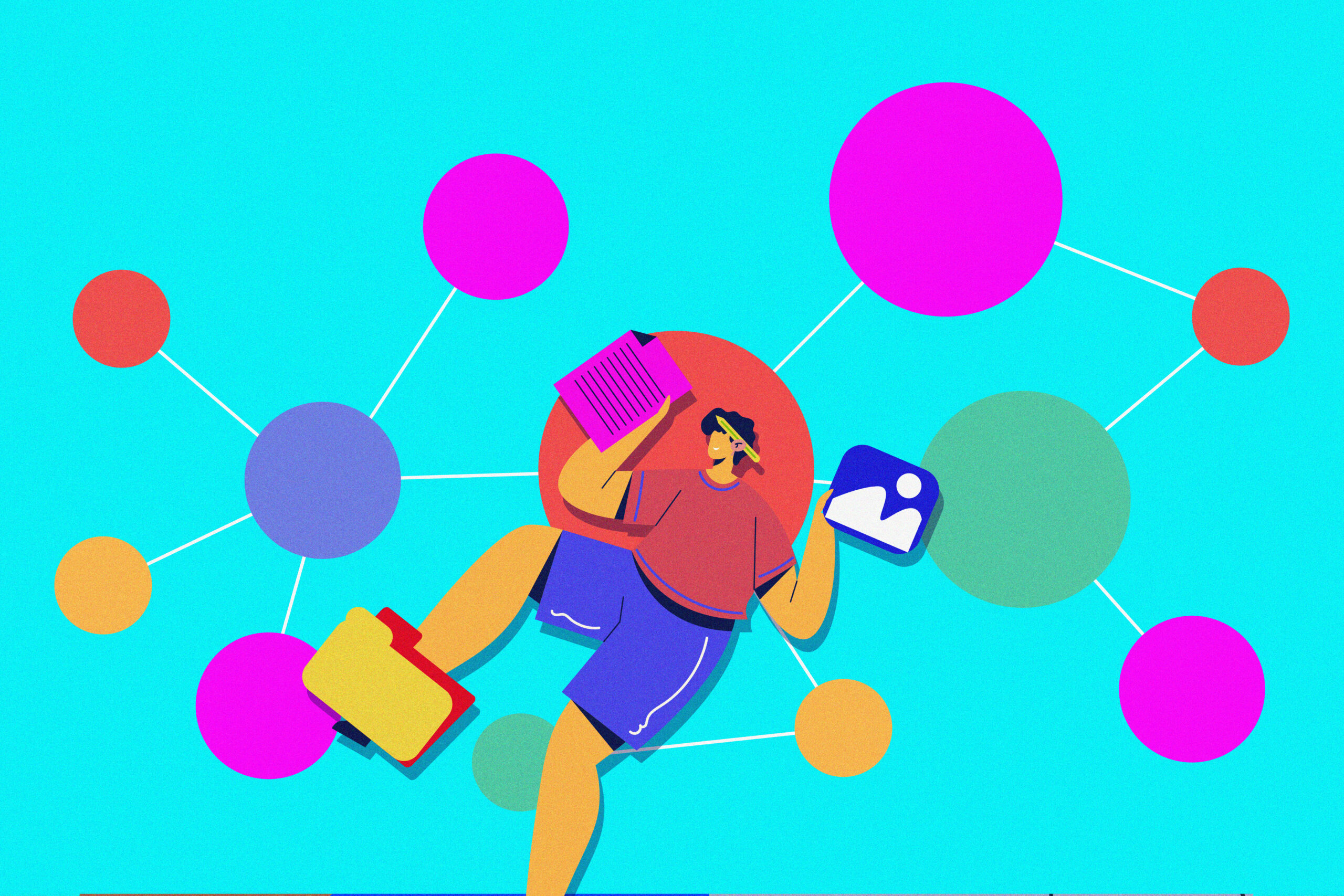
If you only post in one place, your audience can get tired of you quickly. Instead, use a multichannel approach to keep things fresh.
Channels to explore:
- Connected TV (CTV) ads
- Audio ads (Spotify, podcasts)
- BVOD (Broadcaster Video on Demand)
- TikTok, Instagram, YouTube Shorts
- Newsletters and blog posts
The more variety in your channels, the more touchpoints you have to remind people about your brand, without overloading them in one place.
Also, rotate your creative assets. Change up your visuals, headlines, and calls to action regularly so your audience doesn’t see the same thing repeatedly.
Example: If you’re running a holiday campaign, have a short-form TikTok version, a longer YouTube video, an Instagram carousel, and an email with a matching theme, but make sure each one feels slightly different.
Pro tip: Use a social media management platform to manage multiple social media accounts in one dashboard. This makes content rotation easier, helps you track what’s working, and ensures you’re not overwhelming any single audience with repetitive posts.
Bonus Tips To Keep Your Content Fresh
Since content fatigue is such a common challenge, here are a few extra ideas to help:
- Involve your audience: Ask them questions, run polls, or create challenges they can join.
- Collaborate with other brands or creators: Fresh voices and new audiences can spark interest.
- Tap into trends carefully: Use trending audio, memes, or formats, but adapt them to fit your brand story.
- Refresh old content: Update a popular blog post or video with new info and re-share it.
Conclusion
Content fatigue is real… and it’s only becoming more common as audiences are bombarded with more content daily. But with the right mix of storytelling, personalization, immersive experiences, and varied creative, you can break through the noise and connect with your audience meaningfully.
The key is to focus on quality, freshness, and emotional connection.
Here’s your challenge:
- Audit your current content.
- Pick one new approach from this guide.
- Test it for the next month and see how it affects engagement.
Your audience is ready for something new. Give them a reason to stop scrolling and start paying attention again.
With BrandCrowd, you can create professional logos, branded templates, and marketing assets that make your content stand out everywhere it appears. Keep your look consistent, your message clear, and your audience engaged.
Read more about content marketing here:
- 9 Essential Content Types for Your Digital Marketing Strategy
- A Complete Guide to Content Marketing
- The Impact of AI on Content Creation
Shayne Jain is a content writer with 7 years of experience specializing in creating engaging and impactful content. Her passion for writing began at age 8, when she started crafting short stories and songs. When she’s not writing, you can find her kicking balls on the football field or immersed in a good video game.
Original Artwork by Selwyn Legaspi